You pay for pest control, breathe easier for a week, and think the problem is behind you. Then the scratching starts again. The ants reappear. Fresh droppings show up in the same corner you thought had been dealt with. Most people blame the season, the weather, or bad luck. Often, the real problem is less mysterious than that.
Choosing the wrong exterminator can treat what was visible, miss what is driving it, and leave you stuck in the same cycle with a lighter wallet and a growing sense of dread.
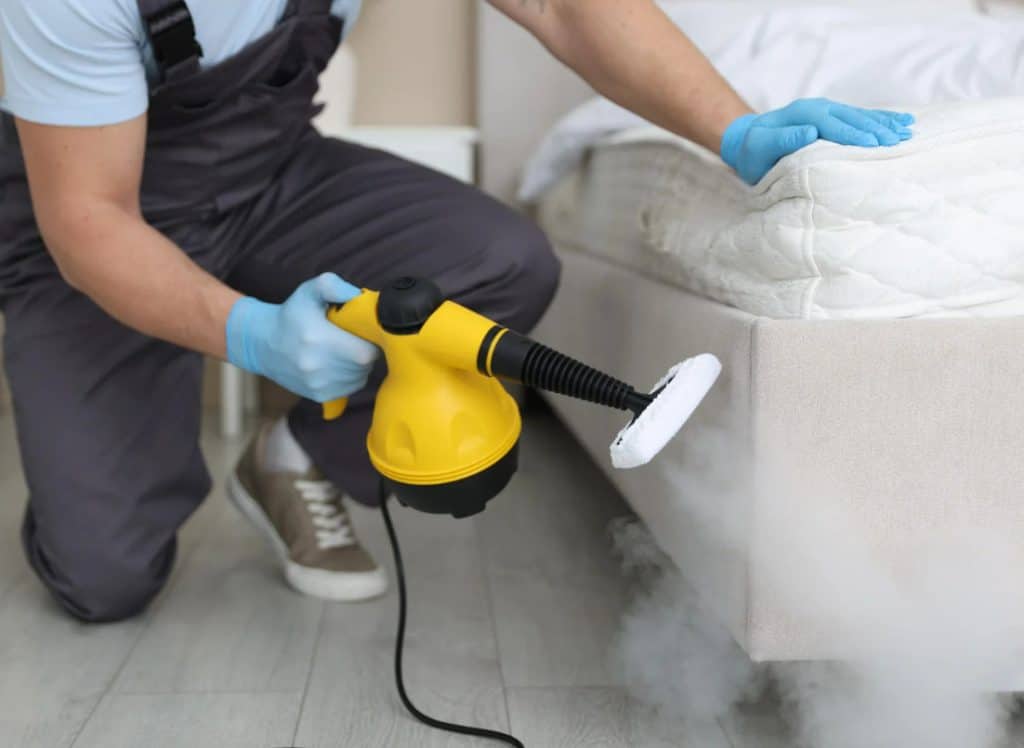
Why Recurring Pest Problems Usually Start With a Bad Call
Recurring pest problems rarely appear out of nowhere. More often, they begin with a bad first call. A company shows up, sprays what it can see, says the problem is under control, and heads out before anyone has figured out why the pests showed up in the first place.
That kind of shortcut gets expensive fast. Ants follow moisture and food. Rodents look for warmth, shelter, and an easy way in. Cockroaches settle where water, clutter, and hiding spots line up. Termites keep working quietly as long as the conditions suit them. When the inspection is rushed or the treatment is generic, the source stays right where it was. So do the pests.
This is where homeowners get fooled. A brief drop in activity can look like success. Sometimes it just means the visible pests were hit while the nest, entry point, or attractant stayed untouched. A quiet stretch of a few days can hide a problem that was never truly understood.
The Red Flags People Miss When Hiring an Exterminator
Most people do not call pest control under calm or ideal circumstances. They call when something is skittering across the kitchen floor, scratching inside the walls, or turning a quiet home into a source of steady stress. Under that kind of pressure, weak operators are easier to miss.
One of the clearest warning signs is speed without substance. If a company gives you a price before asking detailed questions, or promises a fast fix before inspecting the property properly, that should make you pause. Pest control depends on the pest itself, the level of activity, the layout of the home, and the conditions helping the infestation stick around.
Vague treatment plans are another problem. Homeowners should know what is being treated, where the activity was found, what methods are being used, and whether follow-up will be needed. When the explanation sounds polished but thin, the plan usually is too.
Pay attention to what the company does not ask. A careful exterminator wants details. When did the problem start? Where are pests showing up most often? Has there been moisture damage, remodeling, food storage issues, or gaps around doors, vents, or pipes? Good questions usually point to real inspection habits. Bad ones point to a spray-first mindset that leaves the root cause alone.
What Competent Pest Control Looks Like in Real Life
Good pest control starts with attention. Someone checks the places most homeowners overlook, looks for entry points, asks smart questions, and treats the house like a whole system instead of a stage for a quick chemical performance. That approach is less dramatic than the sales pitch. It is also a lot more useful.
A competent exterminator explains what they are seeing and why it matters. They can tell you whether the problem points to moisture, access, nesting, sanitation, structural gaps, or some messy combination of all four. They set expectations that sound grounded in reality. Some problems improve quickly. Others take repeat visits, monitoring, exclusion work, and patience.
You can usually hear the difference in the language. Strong providers talk about inspection, pressure points, treatment zones, follow-up, and prevention. Weak ones lean on sweeping promises about wiping everything out at once. Better companies tend to rely on integrated pest management, which centers on prevention, monitoring, and targeted control instead of treating every infestation like the same problem.
That may sound less thrilling than a one-visit miracle, but it matches how pest problems actually behave in real homes.
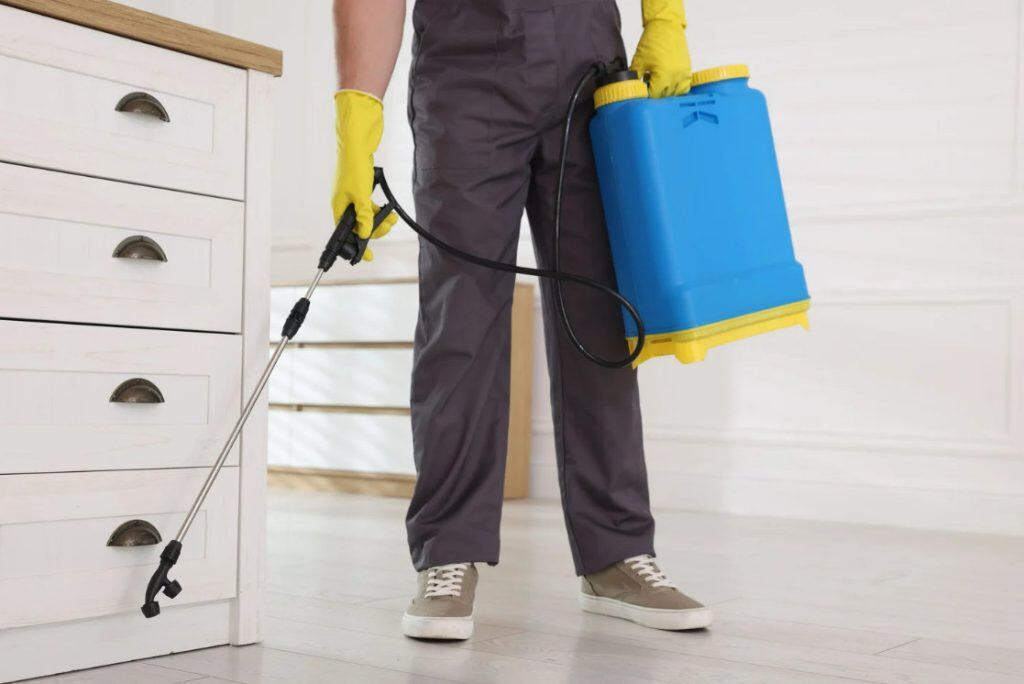
Why Homeowners End Up Researching Credentials Across Related Services
Once a pest problem starts repeating, people stop listening to polished promises and start looking for proof. They read reviews with a colder eye, check for complaints, and pay more attention to how a company explains its process, what kind of follow-up it offers, and whether it sounds like a serious operation or a crew built around fast sales.
For homeowners across the USA, that shift can turn a basic pest-control search into a wider look at how property-related services are trained, screened, and expected to operate. In Oregon, especially around Portland and Eugene, people dealing with repeat infestations may start comparing standards across several home-service categories while also looking more closely at Oregon pest control companies to see who actually serves their area.
In the process, homeowners may also come across an Oregon contractor license prep course while trying to get a better sense of how Oregon approaches qualifications and oversight across related service fields.
Pest control and contracting do not follow the same rules. The instinct behind that research still makes sense. Once someone has paid for a service that failed to solve the problem, the pitch matters less than signs of discipline, accountability, and real expertise.
Choosing Better Help Before the Problem Gets Expensive Again
A bad exterminator can cost more than the first invoice suggests. There is the return visit you hoped to avoid, the damaged food or materials, and the stress of feeling like the problem never really left.
Better choices usually come from asking better questions. What did the inspection find? Where is the activity coming from? What conditions are helping it continue? What happens after the first treatment? Clear answers usually tell you more than a fast promise ever will.
Recurring pest problems have a way of changing how people hire. The first time, they buy relief. The second time, they look for competence. That shift gives you a much better chance of solving the problem for good.