
An ant problem rarely announces itself.
It starts with one or two ants on the counter, maybe near the sink or the small collection of crumbs under the coffee maker, and it’s pretty easy to brush off. You wipe them away, move on, and don’t think about it again.
But that’s exactly how most infestations get a head start.
If you can catch early ant activity, it changes everything. Small signs tell you a colony is already active nearby, and once they’ve found food or moisture inside, they don’t forget. In this guide, we’ll walk you through what to watch for so you can step in before a minor nuisance turns into a major, full-blown infestation.
Why Ant Problems Grow So Fast
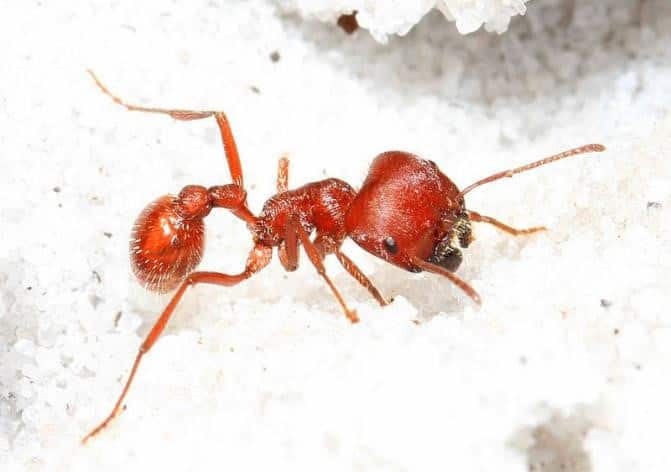
Ants don’t work alone. The few you see are just scouts and their job is simple: find food, then report back.
Once they locate a reliable source, they leave behind a scent trail. Other ants follow that trail, reinforce it, and suddenly that one ant becomes a steady line moving across your kitchen.
A single crumb left under the toaster or a sticky spot near the trash can, and one ant finds it. Within hours, more show up. By the next day, you’re seeing them regularly in the same spot.
Warmer months make this worse. Ants get more active, colonies expand, and indoor spaces start to look a lot more appealing, especially if there’s easy access to food or water.
The First Signs People Miss
Early ant activity doesn’t look dramatic and often slips under the radar.
You might notice one ant crawling along the counter while you’re making coffee. Later, there’s another near the sink. A few hours go by, and you spot a small cluster near a piece of fruit. It feels isolated, like coincidence, but it’s not.
Repeated sightings in the same area mean something is drawing them in. Kitchens and bathrooms tend to be the first places you’ll notice them because they offer both food and moisture. Pay attention to timing, too. If ants show up around the same time every day, there’s likely a consistent food source they’re targeting.
Following the Trail Back to the Source
Once ants start moving with purpose, you’ll see it. They travel in lines, often hugging walls, baseboards, or the edges of countertops.
Those trails tell a story, as one direction leads to food, the other leads back to where they’re getting in.
Take a closer look next time you see a line of ants. Where are they coming from? A crack near the window frame? A gap under the door? A tiny opening around a pipe under the sink? These entry points are often smaller than you’d expect, but they don’t need much space.
Trails can also run behind appliances or along cabinet edges, which makes them easy to miss unless you’re looking for them. And remember: if you interrupt the trail without addressing the source, they’ll just rebuild it.
Not All Ants Are the Same
Different ants bring different problems. Some of the most common ones you’ll see indoors are called sugar ants. They’re small, usually dark, and drawn to anything sweet or sticky, like juice spills, syrup drips, or even residue on a countertop that looks clean but isn’t.
Carpenter ants are a different story. They’re larger and more concerning because they tunnel through wood. Over time, that can weaken structures like beams, window frames, and flooring.
Pavement ants tend to enter through cracks in foundations or along the edges of flooring. You might also notice them near baseboards or in lower-level spaces like basements.

Where Ants Hide When You’re Not Looking
Ants don’t need open space to thrive. In fact, they prefer hidden areas where they won’t be disturbed.
Behind the refrigerator is a common one. Food particles fall, moisture builds up, and it’s rarely cleaned. Under the sink is another hotspot, especially if there’s even a small leak. Cabinets, pantry corners, and the space around trash bins all give ants what they need.
Then there are the places you don’t see at all. Wall voids, gaps around plumbing, and areas near electrical wiring can all host activity without any obvious signs at first.
Outside, mulch beds, piles of leaves, or soil that sits too close to the foundation create ideal conditions for colonies to settle in right next to your home.
What Attracts Ants Indoors
You don’t need a messy home to attract ants. You just need one or two consistent opportunities.
A few crumbs under the table, an unsealed bag of snacks in the pantry, or a sticky spot on the floor that didn’t get fully cleaned is more than enough.
Moisture plays a big role, too, as a slow drip under the sink or condensation around a pipe gives ants a reliable water source. Combine that with food, and you’ve created a setup they’ll return to again and again.
Clutter makes things easier for them. Stacks of paper, cardboard boxes, or crowded storage areas provide cover and make it harder to spot early activity.
Signs Things Are Getting Out of Hand
Ant infestations don’t appear overnight. They build, slowly and quietly, until they’re hard to ignore.
You’ll start to notice more ants, more often. Instead of a few scattered sightings, there are clear trails. Then multiple trails. They show up in new areas, not just the kitchen but maybe the bathroom, a bedroom, or along a hallway wall.
At that point, the colony isn’t just visiting. It’s expanding its reach.
You might clean thoroughly, seal up what looks like the entry point, and still see them return. That’s a sign the source hasn’t been fully addressed.
Simple Moves That Stop Problems Early
Wipe down surfaces regularly, especially where food is prepared or eaten. Store food in sealed containers, not loosely folded bags. Take a few extra seconds to clean up spills instead of leaving them for later.
Walk through your space with a different mindset. Look for gaps around windows, doors, and pipes. Seal what you can and remember, even small openings matter.
Fix leaks as soon as you notice them, as dry spaces are far less appealing to ants.
None of this is complicated. It just needs to be consistent.
When It’s Time to Bring in Help
Some ant problems are beyond DIY fixes. If ants keep coming back no matter how much you clean or seal, there’s likely a colony nearby that needs to be dealt with directly. Seeing large numbers, spotting different types of ants, or noticing activity in multiple areas at once all point to a bigger issue.
Carpenter ants raise the stakes, too, as their presence often means they’ve already started working through wood somewhere in the structure. In this case, professional pest control can track down the source, not just the symptoms. That’s what actually stops the cycle.
Catch It Early and Skip the Headache
Those early signs, a few ants here, a small trail there, are your window to act. Pay attention to patterns, look a little closer at where they’re coming from, and handle it before it spreads.
At the end of the day, it’s a lot easier to deal with a handful of ants than a colony that’s settled in.