
Pest problems rarely start with a dramatic invasion. They begin quietly, often long before homeowners notice the signs. By the time pests are visible, the issue is usually well-established.
Panic-driven responses are natural at the moment. A quick spray or trap seems like the fastest solution. Unfortunately, these reactions often treat symptoms instead of the source.
Smart pest management takes a different approach. It focuses on understanding why pests show up and how homes unintentionally invite them inside. Prevention turns pest control into a planned decision rather than a stressful emergency.
When homeowners prioritize prevention, they gain control. Problems become easier to manage, costs stay predictable, and the home remains a healthier place year-round.
Understand the Pest Risks Most Homes Face
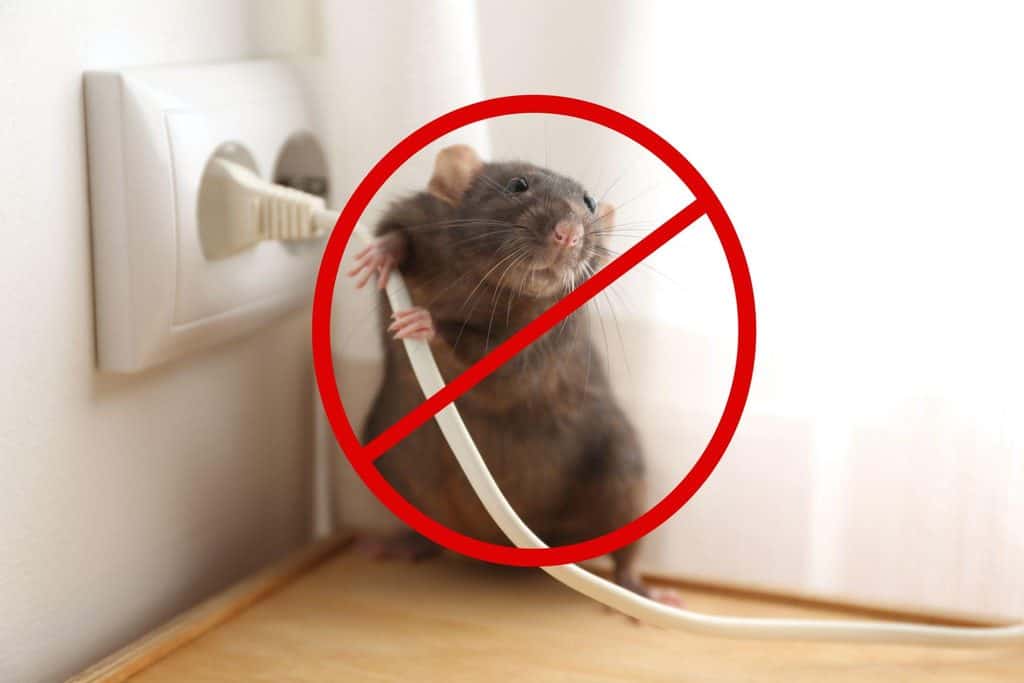
Most household pest problems follow familiar patterns. Ants and rodents are drawn to food residue, grease, and poorly sealed pantry items. Rodents look for warmth, shelter, and steady food sources, often entering through small gaps near foundations or garages.
Termites present a different risk. They target moisture-rich wood and usually remain hidden until damage becomes more serious. This makes early awareness especially important.
Many infestations are not caused by a dirty home alone. Leaking pipes, condensation, and poor drainage create moisture that supports pest activity. Even well-maintained spaces can attract pests when these conditions exist.
Outdoor conditions also play a role. Overgrown vegetation and mulch placed too close to the structure can give pests easy access. Understanding these risks allows homeowners to focus on prevention instead of reacting after pests appear.

Why Prevention Should Be the First Line of Defense
Pests enter homes in search of food, water, and shelter. Small cracks, gaps around doors, and moisture issues give them easy access. Once inside, they can spread quickly if conditions remain favorable.
Prevention stops problems before they grow. Sealing entry points, managing moisture, and maintaining clean storage areas reduce the likelihood of pests establishing a presence. Smart pest management help limit infestations without requiring repeated treatments.
Early action also protects the home itself. Preventive measures help reduce damage to structures and lower the risk of contamination or allergens. Over time, this approach costs less and creates a more stable living environment.
Many homeowners support prevention with regular inspections. Services such as Axiom Pest Control often rely on inspection data to identify risk patterns and adjust preventive plans before issues escalate.
Practical Prevention Strategies Homeowners Can Implement
Prevention works best when it becomes part of everyday home care. Small, consistent actions reduce the conditions pests depend on and make infestations far less likely to take hold.
- Seal Entry Points: Close gaps around doors, windows, vents, and utility lines to limit access into the home.
- Control Moisture: Repair leaks, improve drainage, and reduce condensation in kitchens, bathrooms, and basements.
- Manage Food Sources: Store food in sealed containers, clean up crumbs promptly, and take trash out regularly.
- Reduce Clutter: Organize storage areas and remove cardboard or unused items that provide nesting space.
- Maintain the Exterior: Trim vegetation away from the structure and keep mulch and debris from building up near the foundation.
The Role of Home Design and Materials in Pest Prevention
Home design plays a quiet but important role in pest prevention. The way a structure is built can either limit access or create hidden pathways that pests use to move inside.
Material choices matter. Wood that retains moisture, poorly sealed siding, and aging insulation can attract insects and rodents seeking shelter. Durable materials and proper sealing reduce these opportunities.
Ventilation and drainage also influence pest activity. Poor airflow and trapped moisture create conditions that support insects, especially in basements, crawl spaces, and bathrooms. Design that allows spaces to dry properly lowers this risk.
Thoughtful layout supports prevention as well. Clear access to utility areas makes inspections easier, while simple exterior lines reduce gaps and ledges.
When design supports maintenance, prevention becomes easier to sustain over time.
Integrated Pest Management as a Preventive Framework
Integrated Pest Management focuses on long-term control rather than quick fixes. It combines observation, prevention, and targeted action to reduce pest activity without relying on constant treatments.
- Monitor Regularly: Track signs of pest activity to catch problems early.
- Address Root Causes: Remove access to food, water, and shelter instead of treating visible pests only.
- Use Targeted Responses: Apply treatments only when necessary and in specific areas.
- Evaluate and Adjust: Review results over time and refine strategies based on changing conditions.
This framework helps homeowners stay proactive. By responding to patterns instead of surprises, pest management becomes measured, effective, and easier to maintain year-round.
Why One-Time Treatments Rarely Solve Pest Issues
One-time treatments often focus on what is visible. Sprays and traps may reduce pest activity quickly, but they rarely address how pests entered the home or why conditions allowed them to stay.
Most infestations develop over time. Eggs, nests, or hidden colonies remain untouched by a single treatment, allowing the problem to return once the immediate threat appears gone.
Environmental factors also persist. Moisture issues, entry points, and food sources do not disappear after one visit. Without correcting these conditions, pests continue to find reasons to come back.
Long-term control depends on consistency. Ongoing monitoring and preventive adjustments break pest cycles and reduce repeat infestations.
Knowing When Prevention Needs Support
Preventive steps reduce risk, but they cannot address every situation. Some pest issues develop in hidden areas where early signs are easy to miss. Recognizing limits is part of managing pests responsibly.
Recurring activity is one of the clearest signals. When pests return despite sealing gaps and managing moisture, the issue may extend beyond surface conditions. Patterns like this suggest a deeper source.
Physical signs also matter. Droppings, gnaw marks, damaged wood, or unexplained noises point to activity inside walls or structural spaces. These indicators should not be ignored.
Health concerns raise the urgency. Allergens, contamination, and exposure risks increase when pests remain active. Seeking additional support at this stage helps prevent long-term damage and protects the living environment.
Wrapping Up
Smart pest management begins long before pests become visible. Prevention gives homeowners control by addressing the conditions that allow infestations to start. This approach reduces stress, limits damage, and keeps costs predictable.
By understanding risks, maintaining preventive habits, and knowing when to seek additional support, homeowners protect their space more effectively.
Prevention replaces panic with planning, creating a healthier and more stable home environment throughout the year.