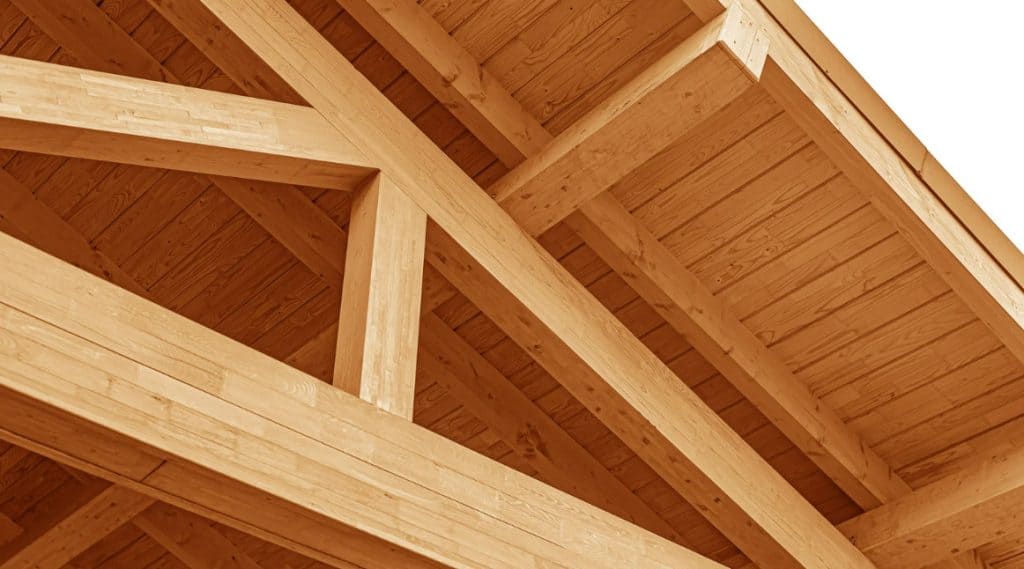
Proper architectural ground clearance and composite materials help homeowners create enduring outdoor installations that naturally repel termites and moisture.
When you build an attached wooden structure outside your home, you want a comfortable retreat rather than an open invitation for destructive pests. Traditional lumber additions often trap rainwater against your foundation and create dark pathways where wood-boring insects feast unseen.
Protecting your living space requires thoughtful engineering right from the start. Pairing smart structural design with advanced synthetic decking transforms your backyard into a lasting barrier against subterranean invaders.
Why Standard Lumber Additions Attract Wood-Boring Insects
Pressure-treated wood provides reasonable initial defense against superficial rot, but traditional soft lumber remains vulnerable to environmental decay. Sunlight, seasonal freezes, and driving rains break down protective chemical treatments within a few years. Small hairline splits form across the surface, inviting rain droplets into the core of your framing members.
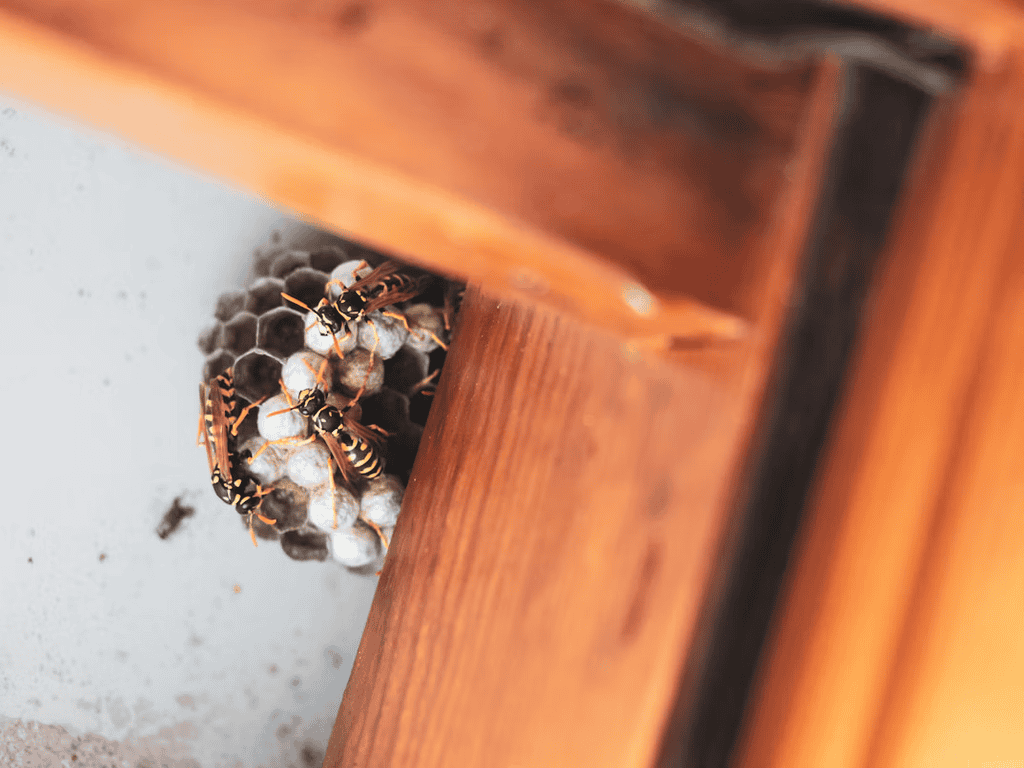
Carpenter ants and subterranean termites thrive in this softening wood fiber. Carpenter ants hollow out smooth galleries inside damp joists to expand their nesting chambers, while subterranean termites feed directly on the cellulose. Because these pests operate silently beneath deck boards, you might overlook the structural damage until noticeable sagging reveals severe internal decay.
How Regional Framing Standards Stop Subterranean Infiltration
Southwestern Ohio weather brings high humidity and heavy spring rains that saturate exterior woodwork. When planning custom deck construction in Mason with code-compliant hardware, skilled builders elevate structural timbers above the dirt grade to starve migrating insect colonies of damp pathways. This physical elevation breaks the direct soil bridge that termites travel along to enter your house framing.
Experienced crews install corrosion-proof steel post anchors and metal flashing along ledger boards to deflect hidden run-off. These flashing barriers seal the gap between the deck framing and your band joist, keeping water from creeping toward your interior floor structure.
Why Sub-Deck Airflow Keeps Hidden Framing Dry
Trapped dampness creates an ideal incubator for wood-eating pests beneath low-profile outdoor platforms. When air cannot circulate underneath your substructure, condensation collects along the beams and softens the lumber.
Home maintenance insights from Bob Vila point out that maintaining dry conditions and continuous ventilation throughout lower building cavities keeps destructive termite colonies from establishing roots. Elevating your outdoor joists at least 6 inches off the ground and leaving clear gaps between deck boards allows steady breezes to sweep moisture away. Rapid evaporation stops mold growth and robs subterranean bugs of the waterlogged environment they crave.
How Physical Barriers Block Destructive Ground Colonies
Subterranean insects travel through mud tubes from the soil into vulnerable wooden sill plates. If you allow wood framing to touch raw topsoil, you give subterranean termites an open highway straight into your exterior walls.
Guidance published by Today’s Homeowner highlights that selecting insect-resistant construction materials, keeping garden shrubs away from your foundation line, and mounting physical protective shields during building drastically lowers your structural vulnerability. Metal flashing shields, poured concrete footings, and crushed stone borders create inhospitable perimeter buffers. These clean physical separations force insects into open daylight where you can spot them before they cause structural harm.
Why Capped Composite Decking Resists Pest Infestation
Modern synthetic boards solve the biological vulnerabilities that plague standard lumber. Manufactured from dense plastic blends or capped composite cores, these surfaces offer zero nutritional value to cellulose-seeking organisms. Termites cannot chew through the tough protective polymer shield, and carpenter ants find nothing to excavate.
Synthetic polymers reject moisture absorption, preventing the hidden dampness that attracts wood-destroying colonies in the first place. High-performance capped decking stays impervious to fungal decay, splitting, and rot throughout decades of exposure to harsh weather. Investing in these resilient synthetics protects your substructure by shedding water and denying boring bugs an entry point.
How You Can Fortify Your Outdoor Living Space
Smart exterior design pairs durable building supplies with disciplined layout choices. You can stop infestations before they gain traction by incorporating defensive structural habits into your seasonal maintenance and renovation plans.
- Maintain soil clearances: Keep wooden support posts elevated atop concrete piers at least 6 inches above bare ground.
- Direct drainage outward: Slope the grade underneath your platform away from the house foundation to prevent pooling puddles.
- Clear foundation greenery: Prune dense ornamental shrubs and pull mulch beds at least 12 inches back from the perimeter.
- Apply protective tape: Seal joist tops with butyl flashing tape to stop rainwater from seeping into hidden screw holes.
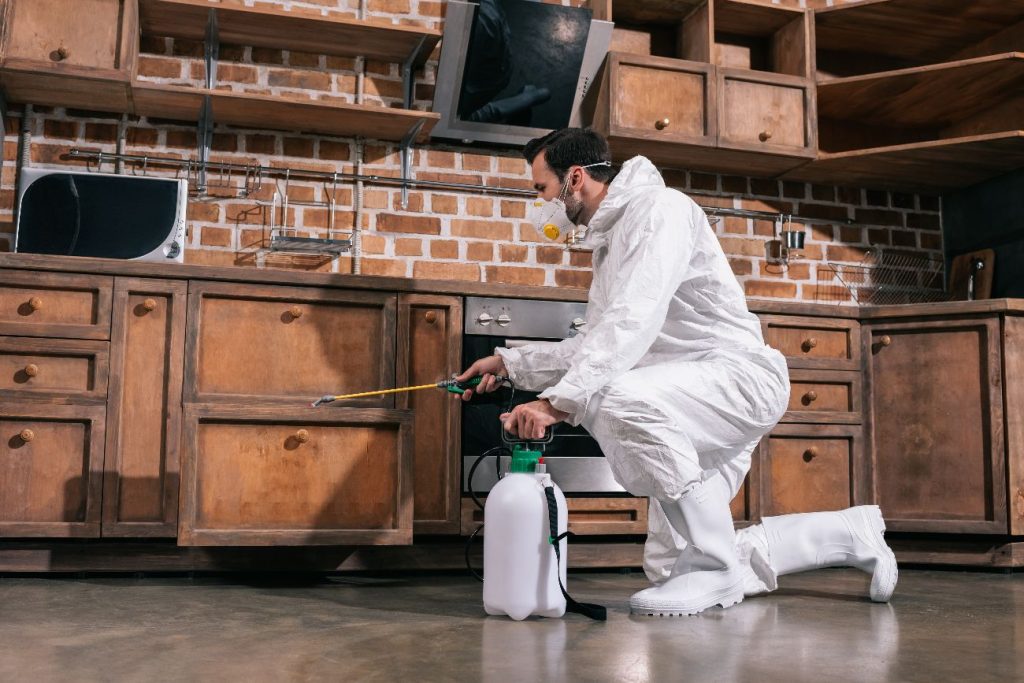
Routine inspections beneath your floorboards help you identify signs of insect activity early. Looking for mud trails, discarded wings, and soft joist corners keeps small structural issues from developing into costly home repairs.
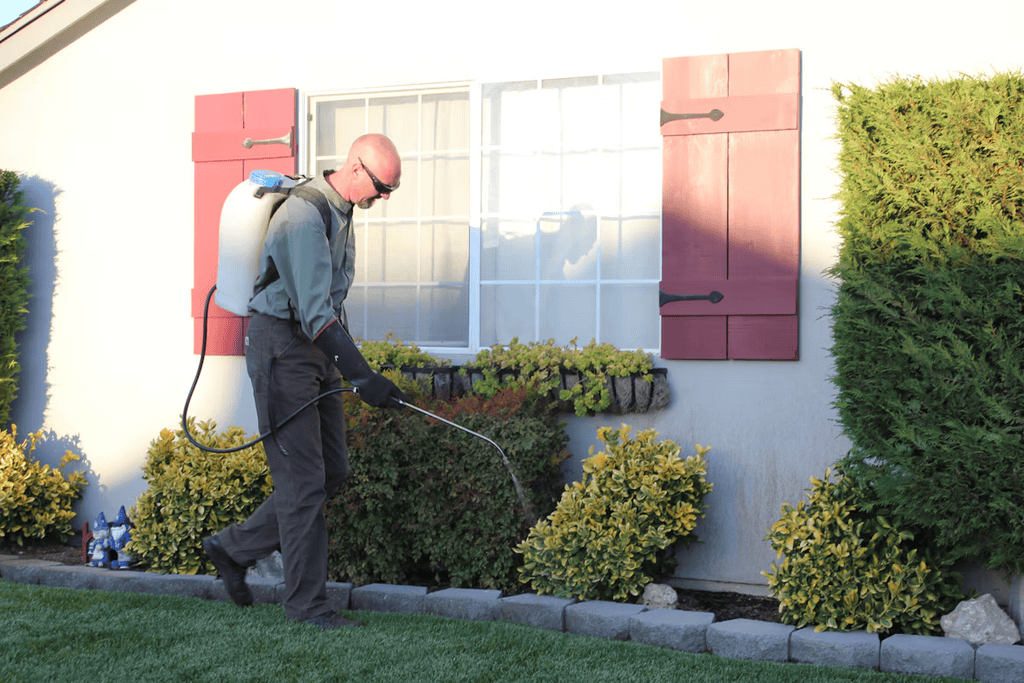
Long-term home defense against wood-destroying pests requires building defensive techniques into your exterior projects from day one. Choosing capped synthetics, establishing generous ground clearances, and maintaining cross-ventilation will keep your outdoor living area sturdy and pest-free. When you design with resilience in mind, you protect your property investment and enjoy outdoor living with complete peace of mind.