
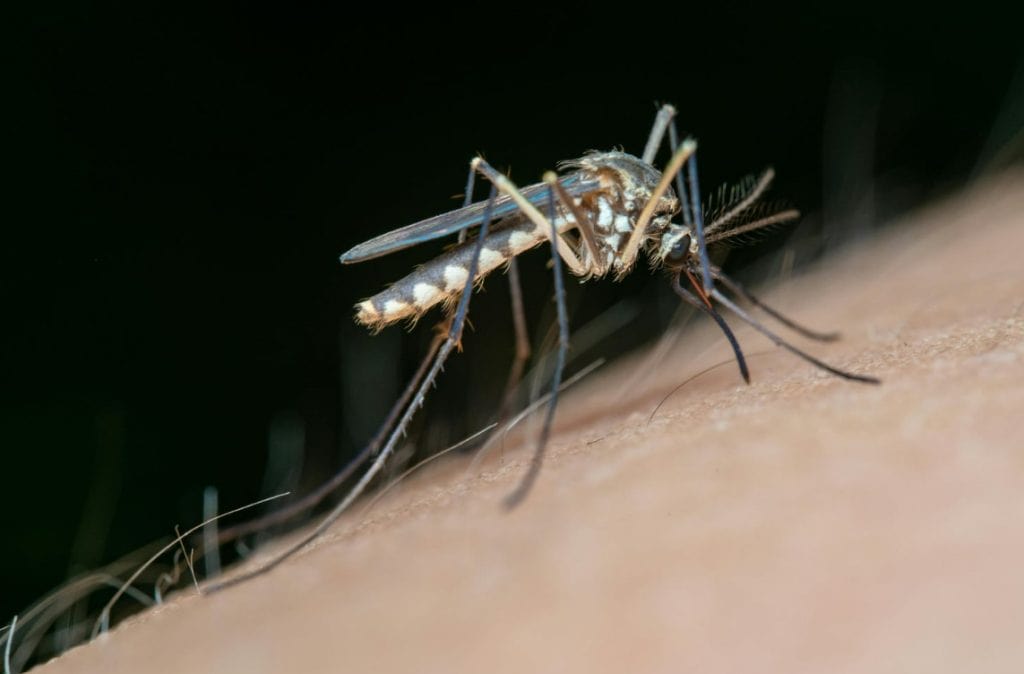
For Houston homeowners, a quiet evening outdoors can change quickly when mosquitoes show up. A few minutes on the patio or in the backyard can turn into constant swatting and a quick retreat indoors.
Houston’s climate gives mosquitoes plenty of opportunities to thrive throughout much of the year. Warm temperatures, rainfall, and standing water around homes can all contribute to ongoing mosquito activity.
For homeowners dealing with the problem again and again, professional mosquito control can offer a more reliable way to reduce mosquitoes and make outdoor spaces more enjoyable.
Why Mosquitoes Are a Persistent Problem in Houston
Houston checks every box on a mosquito’s wish list.
- Heat and humidity that barely let up. Warm, sticky air keeps adult mosquitoes active and breeding for most of the year, not just in July and August.
- Clay soil that won’t absorb water. Houston’s famous “gumbo” soil drains slowly, so puddles stick around long enough for a full breeding cycle to happen right in your yard.
- Mild winters. Eggs laid in the fall can survive and hatch during a warm January afternoon, which is one reason this city rarely gets a true off-season.
- Hurricane season. After a tropical storm, standing water sits in yards, ditches, and gutters for days. Mosquito numbers typically spike within one to two weeks of the rain stopping, which is often the worst stretch of the entire year.
Put it together, and you get a bug that isn’t just annoying. It’s persistent, adaptable, and always looking for the next puddle.
The Risks Mosquitoes Can Bring to Your Family
Mosquitoes in Houston aren’t the same as the ones buzzing around a backyard in Ohio.
Two species dominate here, and they behave differently:
- Culex mosquitoes bite at dawn and dusk and are the main carrier of West Nile virus in this region.
- Aedes mosquitoes (the Asian tiger and yellow fever species) bite during the day, breed in tiny containers of water, and can spread Zika, dengue, and chikungunya.
West Nile is not a rare, distant headline here. Harris County has logged dozens of human cases in recent years, and a portion of those turn into the neuroinvasive form of the virus, which can cause tremors, confusion, and lasting neurological damage.
None of this means panic every time you hear a buzz near your ear. It means getting professional mosquito control in Houston is for health protection, not just comfort.
How Professional Mosquito Control Works in Houston
A real mosquito program doesn’t start with a spray can. It starts with a walkthrough.
1. Inspection first.
A technician checks the spots homeowners tend to miss: clogged gutters, plant saucers, tarps and pool covers with pooled water in the folds, low spots in the lawn, AC condensate lines, and shaded, overgrown areas where adults rest during the day.
2. Barrier and fogging treatments for the yard.
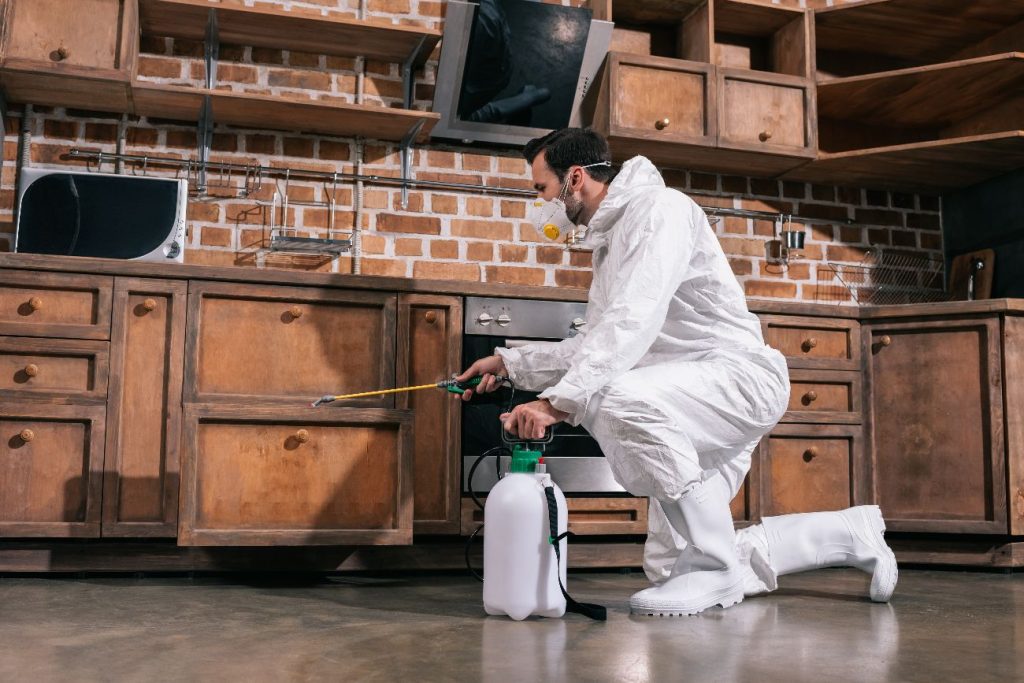
Fence lines, tree lines, mulch beds, and shaded resting areas get treated so adult mosquitoes are knocked down on contact and kept away for weeks at a time. This is where companies like SkeeterCide focus their fogging work along the exact zones mosquitoes use, not just an open lawn spray.
3. A repeat schedule, not a one-time visit.
Houston’s climate resets breeding conditions after almost every rain. One visit knocks numbers down. A recurring plan is what keeps them down.
Why Professional Treatment Can Be More Effective Than DIY Methods
Citronella candles, plug-in zappers, and store-bought sprays aren’t useless. They’re just limited.
Here’s the gap:
Coverage: A candle protects a few feet. A backyard fogging treatment covers the whole property, including the shaded corners you never think to spray.
Life cycle: DIY products mostly kill the adults you can see. Professional treatment also targets eggs and larvae, which is the stage most homeowners never touch.
Product strength: Licensed technicians have access to commercial-grade products that aren’t sold on a store shelf, applied at concentrations that are both effective and safe for kids and pets once dry.
Consistency: Most DIY fixes fade in a few days. A structured treatment plan is built around Houston’s rain patterns, not guesswork.
If you’ve sprayed the yard yourself and the mosquitoes were back within 48 hours, that’s not a sign you did it wrong. It’s a sign the method has a ceiling.
When to Consider Professional Mosquito Control
Some signs it’s time to bring in a professional:
- You’re getting bitten during the day, not just at dusk (a strong sign of the Aedes species)
- Store-bought sprays help for a day or two, then the mosquitoes are right back
- You have standing water that simply can’t be drained, like a low spot or a retention pond nearby
- Your home backs up to a bayou, greenbelt, or drainage ditch
- Outdoor time, grilling, patio dinners, kids playing outside have basically stopped happening
- You’re hosting an outdoor event and need numbers down fast
If two or more of these sound familiar, calling for pest control service will save more time and money than another trip to the hardware store.
How Often Should Houston Homes Receive Mosquito Treatments?
During peak season, most Houston homes do best with treatment every three to four weeks. That interval lines up with the mosquito breeding cycle, so new hatchlings get treated before they mature into biters.
A few timing notes that matter more here than in most cities:
Spring starts the clock. Treatment ideally begins in March, before the population builds toward its April through September peak.
Post-storm visits matter. After a heavy rain or tropical system, expect a population rebound in seven to fourteen days. A follow-up treatment in that window keeps the spike out of your yard.
Winter isn’t a free pass. A stretch of warm days in December or January can wake up dormant eggs, so many homeowners keep a lighter treatment schedule going year-round instead of stopping completely.
Simple Steps Homeowners Can Take Between Treatments
Treatments do the heavy lifting, but a few habits stretch the results further.
- Dump standing water out of pet bowls, plant saucers, and buckets every few days
- Clean gutters so leaves and rainwater stop pooling
- Store kids’ toys, wagons, and sandbox covers so they can’t collect water after a storm
- Keep grass and shrubs trimmed, since tall vegetation gives adult mosquitoes a shady place to rest
- Check tarps and furniture covers for water pooled in the folds
- Repair torn window screens so mosquitoes stay outside where they belong
None of these steps replaces professional treatment. This is like keeping the door closed while the real work happens outside.
How to Choose a Mosquito Control Company in Houston
Not every service handles this the same way, and picking the wrong one can waste a full season.
A few questions worth asking before you sign a contract:
- Is the company licensed and insured for pesticide application in Texas?
- Do they inspect the property first, or just show up and spray the lawn?
- Does the plan include larvicide for standing water, or only fogging for adults?
- Will they adjust the schedule after a storm, or stick to a fixed calendar no matter what?
- Can they explain, in plain terms, why their products are safe for kids and pets once dry?
- Do they know the neighborhood, meaning the local bayous, retention ponds, and greenbelts that push mosquito pressure higher on certain streets?
A company that answers all six without hesitation is usually the one that keeps a yard usable through August, not just for the first two weeks after a single visit.
Conclusion
Houston isn’t going to stop being humid, and the bayous aren’t going anywhere. What can change is how much of your evening gets handed over to mosquitoes.
A property that’s been walked, inspected, and treated on a real schedule looks and feels different than one that’s only had a can of spray. Backyards stay usable in July. Kids can play past 6 p.m. Dinner on the patio stops being a gamble.
If your yard has reached the point where staying inside feels easier than fighting the bugs, a licensed local team that knows this city’s bayous, storms, and breeding patterns, the kind SkeeterCide has built its fogging programs around, can turn that yard back into a place your family wants to be.
Frequently Asked Questions
How fast does professional mosquito treatment work?
Most homeowners notice a real drop in mosquito activity within 24 to 48 hours of treatment. Full results build over the first couple of visits as the larvicide catches up with the adult population.
Is professional mosquito treatment safe for kids and pets?
Yes, once the product has dried, typically within 30 to 60 minutes. Licensed technicians apply products at concentrations that are approved for residential use and safe for families and pets after that window.
How long does one treatment last?
A standard treatment typically holds for three to four weeks under normal conditions. Heavy rain can shorten that window, which is why post-storm follow-ups matter so much in this region.
Can I still get bitten after treatment?
Occasional bites can still happen, especially close to a bayou or wooded area, since mosquitoes can drift in out of neighboring properties. Regular treatment dramatically reduces bites, though it rarely brings the number to zero in a city this mosquito-heavy.
Does rain wash away mosquito treatment?
Light rain usually doesn’t undo a treatment. Heavy or prolonged rain can reduce how long it lasts and also creates fresh breeding water, which is exactly why a recurring schedule works better than a single visit.