The switchboard is the part of a home’s electrical system that most homeowners never think about until something goes wrong with it. Tucked into a hallway cupboard or mounted on a wall in the garage, it regulates power distribution throughout the property, protects circuits from overload and, in the case of modern switchboards, houses the safety switches that prevent electrocution. In older Gold Coast homes, the switchboard often contains none of those modern protections, and the decision of when to upgrade it is not just a matter of convenience.
What an old switchboard typically contains
Gold Coast homes built before the late 1980s and in some cases into the 1990s may still have their original switchboard configuration. Older switchboards typically contain ceramic fuses rather than modern circuit breakers, and they lack the residual current devices that Queensland law now requires on power circuits in rental properties and that represent best practice in all residential installations.
Ceramic fuses work by melting a wire when a circuit is overloaded, which breaks the circuit and prevents sustained overload of the wiring. The problem is that they are significantly slower to respond than modern circuit breakers, they can be replaced with incorrectly rated fuse wire that provides less protection than the original, and they provide no protection against the specific type of fault that causes electrocution: an earth leakage fault that does not necessarily trigger the overcurrent protection a fuse provides.
A switchboard upgrade Gold Coast typically replaces the fuse-based board with a modern consumer mains unit containing circuit breakers on every circuit and safety switches on power and lighting circuits. The result is a switchboard that responds faster to faults, provides the earth leakage protection that older boards lack, and brings the property into compliance with current standards.
Signs that a switchboard needs attention
Several indicators suggest a switchboard should be professionally assessed. Frequently tripping breakers or blown fuses are the most common: they indicate that the current electrical load on the property exceeds what the circuits were designed for, which may be a simple matter of circuit overload from added appliances or may indicate a wiring fault.
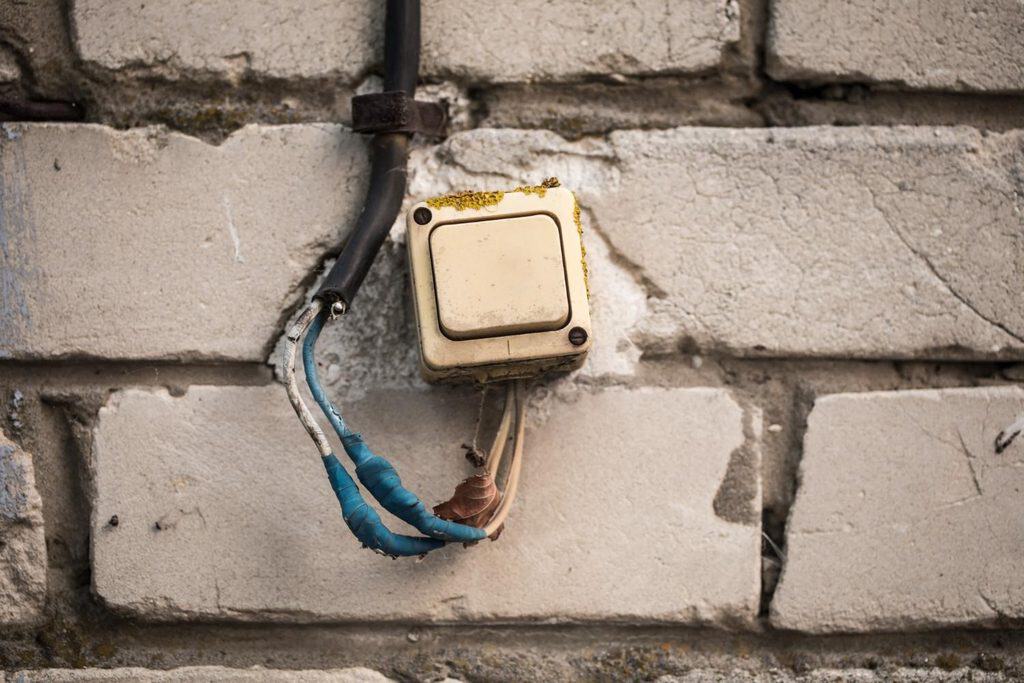
Visible signs of burning, scorching or heat damage around the switchboard, any burning smell when the switchboard is opened, or a buzzing or crackling sound from the board are urgent signals. These indicate active electrical problems that require immediate professional attention rather than a planned upgrade assessment.
For properties that are being extended, renovated or having additional appliances installed, the switchboard capacity may simply not have room for the circuits the project requires. A switchboard that is full, with no available breaker positions, needs to be replaced or supplemented with a sub-board before additional circuits can be installed.
The electrical safety case for switchboard upgrades
The relationship between outdated switchboards and residential electrical fires is well established. Electrical fires commonly originate in wiring and switchboard faults that overcurrent protection alone is not designed to detect. The Queensland Fire and Emergency Services (QFES) response to residential fires in Queensland consistently identifies electrical faults as a primary cause, and the category includes wiring degradation, overloaded circuits and faulty switchboard components.
The Queensland Fire and Emergency Services (QFES) provides public guidance on home electrical safety, emphasising the importance of safety switch testing, switchboard condition monitoring and the engagement of licensed electricians for any modifications to the home’s electrical system. Their guidance is consistent with the pattern of fire investigations that identify switchboard condition as a contributing factor in residential electrical fires.
What a switchboard upgrade involves
A licensed electrician replacing a Gold Coast home’s switchboard disconnects the main supply, removes the existing board and its wiring connections, installs the new consumer mains unit with correctly rated circuit breakers on each circuit and safety switches on power and lighting circuits, reconnects all wiring and tests the complete installation before restoring supply. A certificate of compliance is issued after the work is inspected and confirmed to meet current standards.
The process typically takes three to five hours for a standard residential property, depending on the number of circuits and whether the wiring is in good condition and correctly labelled. Older properties where circuits have been added informally over the years, or where the wiring has not been fully documented, may require additional assessment time.
How switchboard upgrades interact with other home improvements
A switchboard upgrade is often the logical precursor to other electrical improvements. Installing EV charger circuits, solar inverter connections, additional power circuits for a renovation, or upgrading to three-phase supply all require the switchboard to have capacity and the correct configuration. A switchboard that is already at the end of its service life is better replaced at the same time as these other works than shortly after, when the cost of the access and disconnection would be duplicated.
For Gold Coast property owners planning any significant electrical work in the near future, a professional assessment of the switchboard’s condition and remaining capacity is the sensible starting point for the whole project.