You probably don’t spend much time thinking about the wooden studs behind your drywall or the floor joists holding up your kitchen table.
And that’s normal. You have a life to live. But while you’re busy working, sleeping, or watching Netflix, there’s a very real chance a colony of termites is busy eating your house.
Termites are biologically fascinating, and financially terrifying. They work twenty-four hours a day without sleeping, and they never take a holiday.
Ignore them, and they won’t just go away on their own. They’ll multiply. In this article, we’ll show you the guide to termite protection, and we’ll break down exactly what you need to know to keep your home standing (and your bank account intact).
What Are Termites, and Why Are They Dangerous?
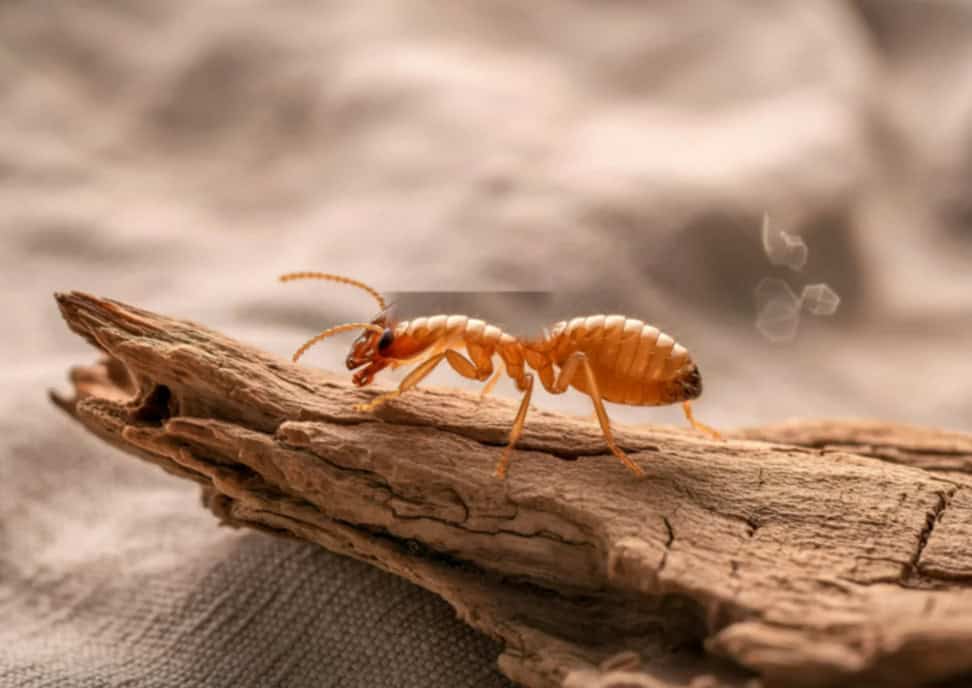
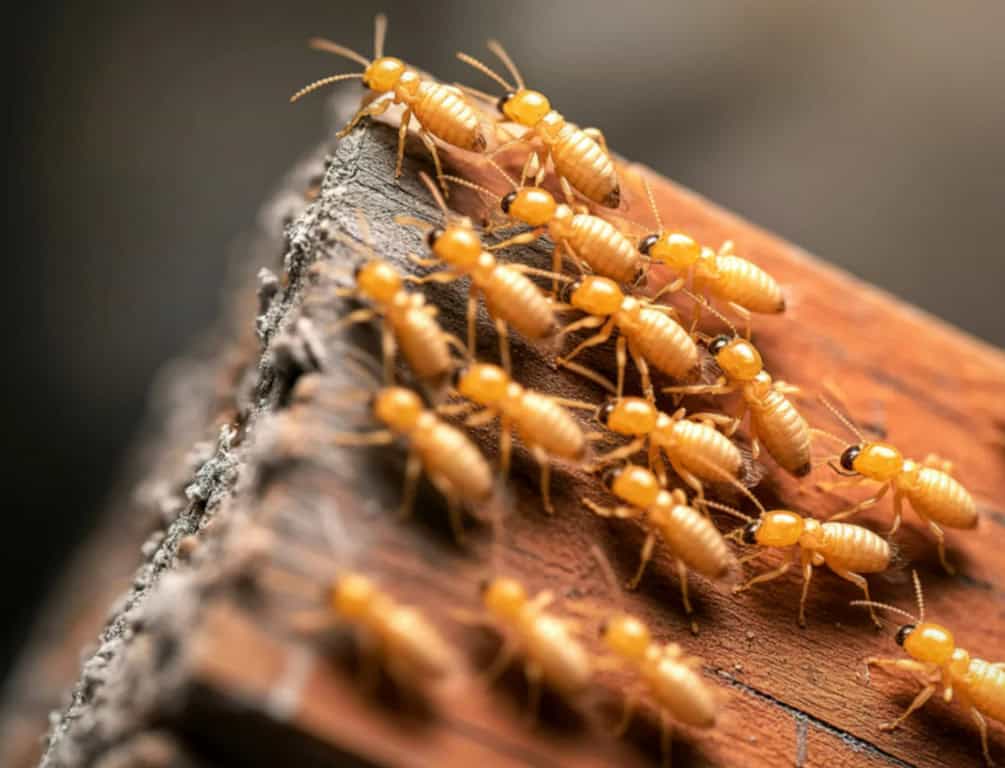
Termites aren’t malicious. They’re just hungry detritivores doing their job in nature, which is breaking down dead wood. The problem, of course, is that the dead wood we’re speaking of just so happens to be the structural support of your master bedroom.
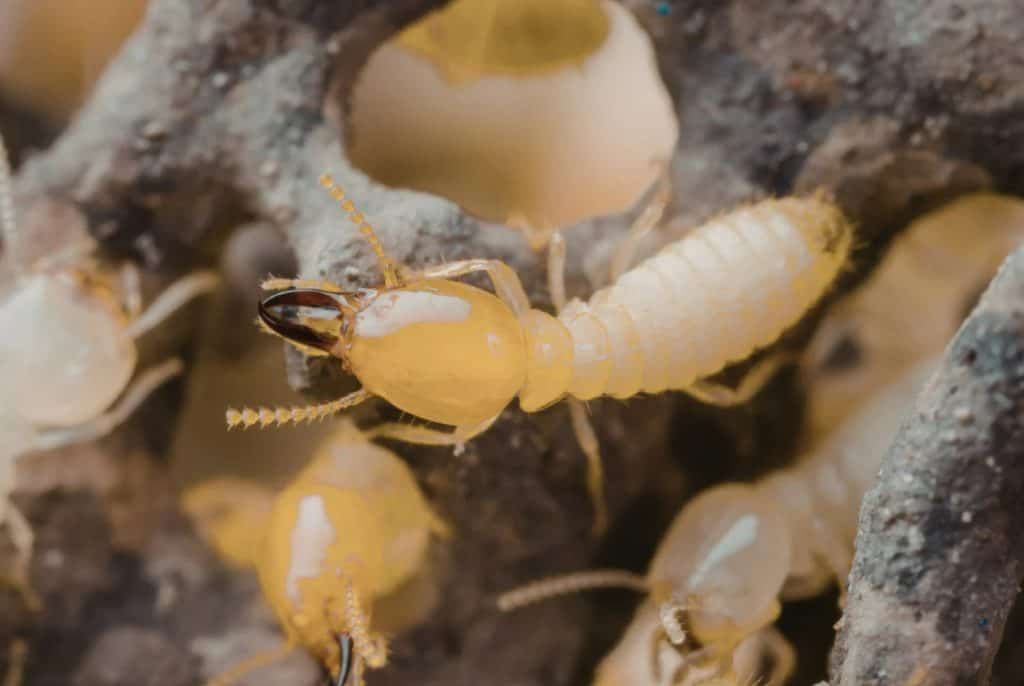
Most homeowners deal with Subterranean termites, which are pests that live underground and build colonies that can number in the millions. They require moisture and cellulose to survive. Cellulose is the main component of wood, paper, and plant fiber, and your house is essentially an all-you-can-eat buffet made of their favorite food group.
The damage they cause is staggering: the EPA estimates that termites cause over $5 billion in property damage each year in the United States alone, which is more than fires and tornadoes combined.
The worst part is that they eat the wood in your home from the inside out, so you often won’t see a single bug until the structural integrity of a beam is already compromised..
Common Signs of Termite Infestation
Termites are experts at staying hidden, so you need to know exactly what to look for.
These pests hate light and air, so they stay sealed inside the wood or underground. By the time you see swarms of them flying around your living room, you likely already have a mature infestation.
Here are the specific indicators that you have a termite problem:
- Mud Tubes: Subterranean termites build pencil-sized tunnels made of soil and wood particles to travel safely from the ground to your siding. You’ll often see them running up your foundation or along basement walls.
- Discarded Wings: When a colony gets big enough, it sends out “swarmers” to start new colonies. These flying termites eventually drop their wings, so you might find piles of wings that look like fish scales on windowsills or near doors.
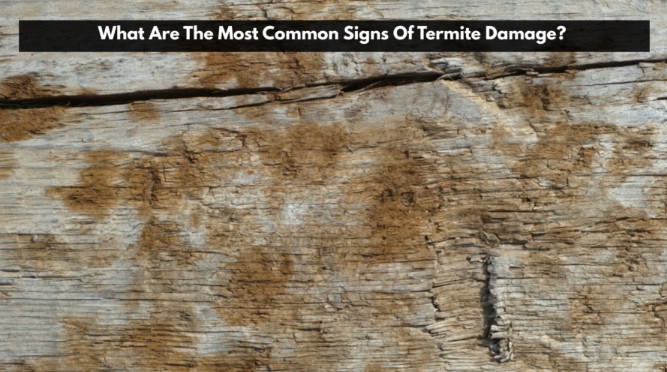
- Hollow Wood: Tap on your baseboards or wood framing with a screwdriver handle. If it sounds hollow or papery, you have an issue. Termites eat the soft grain and leave the outer layer intact, creating a honeycomb effect inside.
- Frass: Drywood termites push their droppings out of small kick-out holes, which looks like a small pile of coffee grounds or sawdust accumulating under a wooden object.
- Tight Doors and Windows: As termites consume wood, they introduce moisture, which can cause frames to warp and swell. If a window that used to open easily is suddenly stuck, don’t just blame the humidity. You may need to point the finger at termites instead.
Factors That Attract Termites to Homes
You might be accidentally inviting termites into your home without even realizing it, as certain conditions make your property much more attractive to a scouting colony.
Moisture is the biggest factor, since termites dry out and die quickly without water. If you have a leaky spigot, a drip under the kitchen sink, or gutters that dump water right next to your foundation, you’re creating the ideal conditions for termites.
Wood-to-soil contact is another major draw. If your deck posts go straight into the dirt, or if you have siding that touches the mulch, you’ve just successfully built a bridge for them. They can move directly from the soil into your structure without even building a mud tube.
Landscaping choices matter, too, perhaps more than you might think. Mulch is great for plants, but thick layers of it retain moisture and provide food. Similarly, stacking firewood against the side of the house is practically serving them dinner on the porch. Even tree stumps left in the yard act as launchpads for colonies that will eventually migrate to your home.
Preventative Measures Homeowners Can Take
You can’t termite-proof a house completely on your own, but you can make it much harder for them to get in. Think of this as hardening the target.
Start with water management: clean your gutters to make sure water flows away from the roof. Extend your downspouts so they discharge at least three or four feet away from the foundation and fix any plumbing leaks immediately, even the small ones.
Next, create a barrier between the ground and your house. Keep mulch pulled back at least six inches from the foundation. A good rule of thumb is that you should be able to see a strip of clear ground all the way around your home. This doesn’t stop termites, but it forces them to build visible mud tubes where you can at least spot them during an inspection.
Finally, store cellulose debris properly, keeping firewood, lumber, and cardboard boxes off the ground and away from the house. If you’re building a deck or fence, use pressure-treated wood that resists rot and insects.
Long-Term Termite Protection Plans
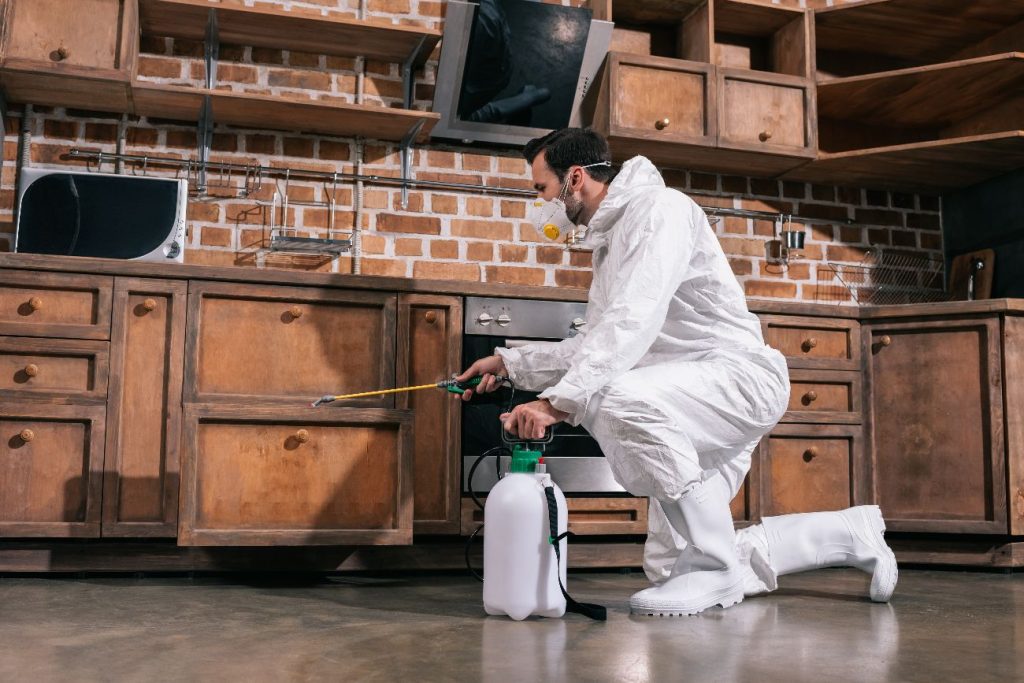
DIY methods are about risk reduction, while professional treatment is about colony elimination. When it comes to active protection, you generally have two main routes you can choose from:
- Liquid Soil Treatments: This is the traditional method, in which a technician digs a trench around the perimeter of your home and applies a liquid termiticide into the soil. The goal is to create a continuous chemical barrier. Modern termiticides are non-repellent, meaning the termites don’t know the poison is there. They pass through it, pick it up, and carry it back to the colony, spreading it to others like a virus. It is a very effective way to wipe out a colony that is already attacking your house.
- Bait Station Systems: This approach is less invasive. The pest control company installs plastic stations in the ground around your yard, usually every 10 to 15 feet. These stations contain wood or a cellulose matrix that termites find attractive. Once the termites start feeding, the technician adds a bait containing a slow-acting inhibitor. The termites take this bait back to the queen, and eventually, the colony collapses because they can’t molt or reproduce.
Both methods work well, but they do require some proper know-how and intricate installation; a gap in the liquid barrier or a neglected bait station renders the whole system useless.
Long-Term Termite Protection Plans
Treating termites isn’t like fixing a flat tire: you don’t just do it once and forget about it. It’s an ongoing maintenance issue, similar to changing the oil in your car or servicing your HVAC system.
Most professional pest control companies offer a renewable warranty or a service agreement. In this, you pay an annual fee, and they come back once a year to inspect the home and check the treatment zones. If termites come back, they treat again for free.
This is worth the cost for one simple reason: standard homeowners insurance doesn’t cover termite damage. Insurance policies view termite damage as a preventable maintenance issue, meaning you’ll be on the hook for the entire repair bill.
Paying a few hundred dollars a year for a warranty is far cheaper than paying $15,000 to replace a load-bearing wall and the floor above it (not to mention all the stress and inconvenience that goes along with an infestation of this scale).
A protection plan gives you a professional set of eyes on your property every year, spotting the signs you miss. They catch the mud tube behind the bush or the moisture issue in the crawlspace before it turns into a disaster.
Termites are a formidable opponent, but they’re manageable if you stay ahead of them. You don’t need to live in fear of every squeaky floorboard. You just need to be aware of the risks, reduce the moisture around your foundation, and keep a professional on your team.
Your home is built to last, but only if you defend it.