Unpleasant as it certainly is, a cockroach infestation rarely goes away on its own. For any household with a problem, considering end-to-end cockroach treatment is likely the best step.
While DIY methods and sprays may seem to work temporarily, they often don’t deliver long-term results. And it’s hardly a wonder, considering the rate at which these pests procreate.
The US EPA notes that one egg capsule produced by German cockroaches contains approximately 40 eggs. This rapid rate of proliferation can be challenging for non-professionals to manage.
A 2025 study published in the Journal of Allergy and Clinical Immunology found that after pest management intervention, the number of cockroaches reduced.
As did the levels of allergen and endotoxin. This is great news, particularly for households with children, since allergens are closely connected to allergic rhinitis and asthma.
The only catch? You have to take extra steps in preparation for and after the pest control treatment. Failing to take safety precautions can expose children and pets to health problems.

Who All May Be Vulnerable?
Do a quick assessment, so you can communicate clearly with the exterminators.
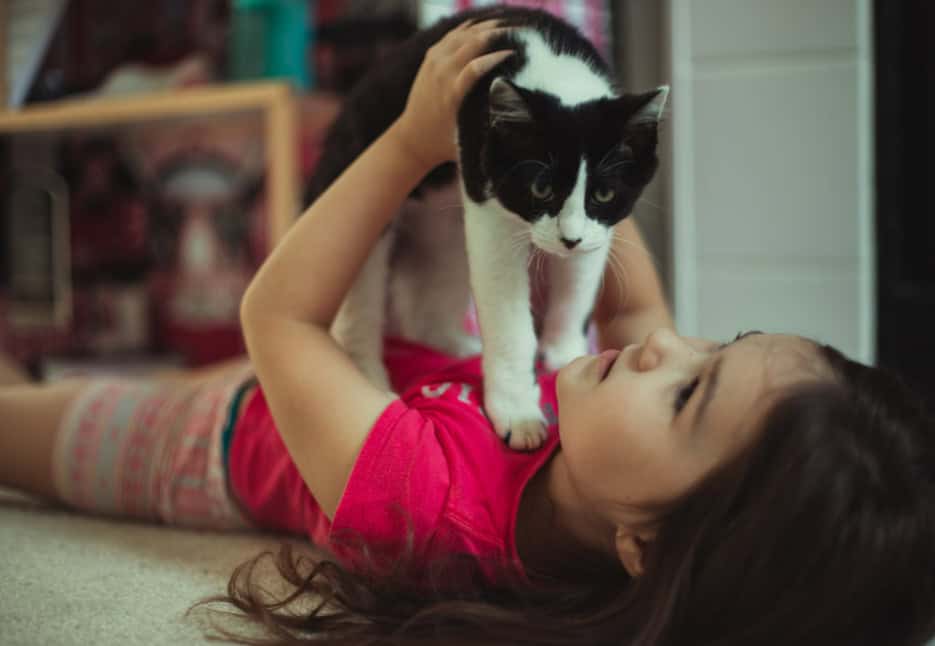
Babies and toddlers come to mind first, but many five-year-olds have also been known to put random things in their mouths. Not to forget, consider the babies who are still in the womb. Pregnant women must be especially careful of any substances used during pest control.
You should also let the professionals know of any pets you have, including fish that may seem insulated in their tank. Do you have stray cats who keep visiting your home? Account for them too.
Warning: As you do this assessment, chances are you will second-guess every product you have been using in the house. Insecticide sprays, in particular, have faced wrath recently. It is possible that they have a lack of potency against aggressive pests. But they sure do leave behind residue in the air.
“When you put an insecticide in a home, the risk may be very minor, but there still has to be a benefit outweighing the potential harm. In this case, there is none, there is only cost.” Zachary DeVries, Assistant Professor, University of Kentucky.
Clearing Away Anything The Mouth Can Touch
Kids and pets are similar in many ways, one of them being their love for putting things in their mouths. Non-food-related, completely random things. This knowledge can help you prepare your home before the official pest control intervention begins.
A 2025 research study in Indoor Environments found that over a 30-day period, less than 1% of the applied pesticide transferred away from the treated areas. This means that the pesticide remains associated with the indoor materials.
The goal here is to minimize the exposure of kids and pets to pest control chemicals. This is possible only when you also lower the exposure of household objects.
You can start by clearing away food, i.e., anything to eat or prepare food with. This will include utensils, pantry containers, and pet food jars.
Beyond food, you should also put away items such as pacifiers and teething toys. Your pets may have a favorite stuffed animal they love to lick and play with. These should go in a covered, secure place until it is declared safe to bring them out.
Conducting Compliant Treatment Only
For households with children and pets, we cannot overstate the importance of safe and compliant pest control. This means the approach you take should be potent and lasting but also not harmful to those with sensitive immune systems and delicate growth-related needs.
Depending on your location, you can look for a pest control service or product that has federal and state backing for efficacy and safety. This is usually a combination of associated certifications and compliance requirements.
For example, in the US, the FIFRA (Federal Insecticide, Fungicide, and Rodenticide Act) sets national rules for pesticide use and labeling. Companies offering extermination services need to have state-level licensing.
Similarly, pest control services in Toronto, Canada should be WSIB compliant and also certified by the Ministry of the Environment, Conservation and Parks. Outside Ontario, the guidelines may differ.
This assurance is critical even when the infestation is at its peak, and you are stressed. Once you know the professionals are legitimate and committed to safety, you can consider other criteria, such as costs.
GTA Exterminators recommends seeking same-day help when scheduling for bedbugs and mice. These pests are best dealt with sooner rather than later!

Keep Away For the Required Period and Until After Cleaning
Prepare to keep the kids and pets away for a few hours (or days) until it is safe to re-enter your home. This means planning for childcare or asking a favor from a helpful neighbor.
The exact time will depend on your treatment and the advice of the professionals. It is not a good idea to rush it at all. This means planning for childcare or asking a favor from a helpful neighbor.
Even after the stipulated time is up, you should keep curious little ones away until you have:
- Cleaned any food preparation areas
- Removed any accessible remnants of pesticides or containers
Conduct post-treatment cleaning in close consultation with the extermination team. According to the National Pesticide Information Center, assess whether items are porous or non-porous when figuring out whether to clean or discard them. The former, such as clothes and pillows, absorb much faster. Sealed countertops and metals, on the other hand, are non-porous.
Caution: Avoid the temptation of cleaning floorboards or crevices. As long as any bait or other product has been applied in an inaccessible location, you should not interfere with it. Scrubbing it away too soon may make the treatment ineffective.
FAQs
Should I wash everything after pest control treatment?
No. Cleaning treated areas too soon can even reduce the effectiveness of the treatment. Stick to only cleaning surfaces your technician recommends. These will primarily be areas for food handling and preparation.
Will gel baits be safer than spraying?
In some ways, yes, since you only need to apply gel baits in small amounts inside less accessible areas. However, whether you can apply gel bait will depend on the intensity of the infestation and also your home’s layout. A professional team can recommend the ideal approach that blends safety and effectiveness.
Can pest control chemicals transfer to clothes and other items?
It can happen if these objects were exposed during the treatment or were placed too close to the pesticide containers. Consult with professionals to confirm whether you can wash them safely or discard them.
Cockroach Treatment and Caution: Ready Reckoner
| Treatment effectiveness | Post-treatment reduction in cockroaches and reduction in allergens & endotoxins |
| Vulnerability group risk | Children, infants, pregnant women, and pets are more vulnerable to exposure |
| Post-treatment safety window | Home may be unsafe for a few hours or more depending on treatment |
| Material absorption risk | Porous materials (clothes, pillows) absorb chemicals faster than non-porous surfaces |
| Treatment compliance requirement | Safe pest control requires certified/licensed professionals |
Crusade Against Cockroaches
They call cockroaches one of the oldest citizens of planet Earth. They have survived over centuries, faced adverse weather conditions, and continued to thrive. Despite your best measures to keep your home clean and pest-free, cockroaches can be notoriously difficult to eliminate.
Thanks to professional extermination, we can all rest a little easier. As long as we are careful and well-informed.