The scratching in the ceiling has stopped. The wildlife technician has taken down the one-way door, and the family of raccoons that spent the spring in your attic has moved on. It’s tempting to call the job done.
Usually it isn’t. Animals that get into a house through the roof leave a trail of damage, and some of it won’t show up until the next heavy rain. If the entry hole gets a quick patch and nobody looks any further, you can end up with a leak, a fresh infestation, or both.
Removal first, repairs second
The order matters. Seal the roof before the animals are out and you trap them inside. They’ll either chew a new way out, often through the ceiling into a bedroom, or die in the attic. Neither is good.
Spring is the trickiest season. Raccoons and squirrels have their young in attics from about March through June. A mother shut out of her nest will tear through shingles, soffit or vents to get back to her kits. That’s why licensed wildlife control operators use one-way doors and check for babies before anything is closed up.
Bats need special care. Some bat species in Canada are protected, and there are periods when exclusion shouldn’t be done at all. Leave bats to a professional who knows the local rules.
Once the animals are confirmed gone, it’s time for the roof.
What the damage usually looks like
Each animal leaves its own signs.
Raccoons are strong enough to rip open intact roofing. They pull up shingles at the edges, tear through soffit panels, and flatten or rip roof vents and the screening underneath. Inside the attic they trample insulation and leave latrines that soak into it.
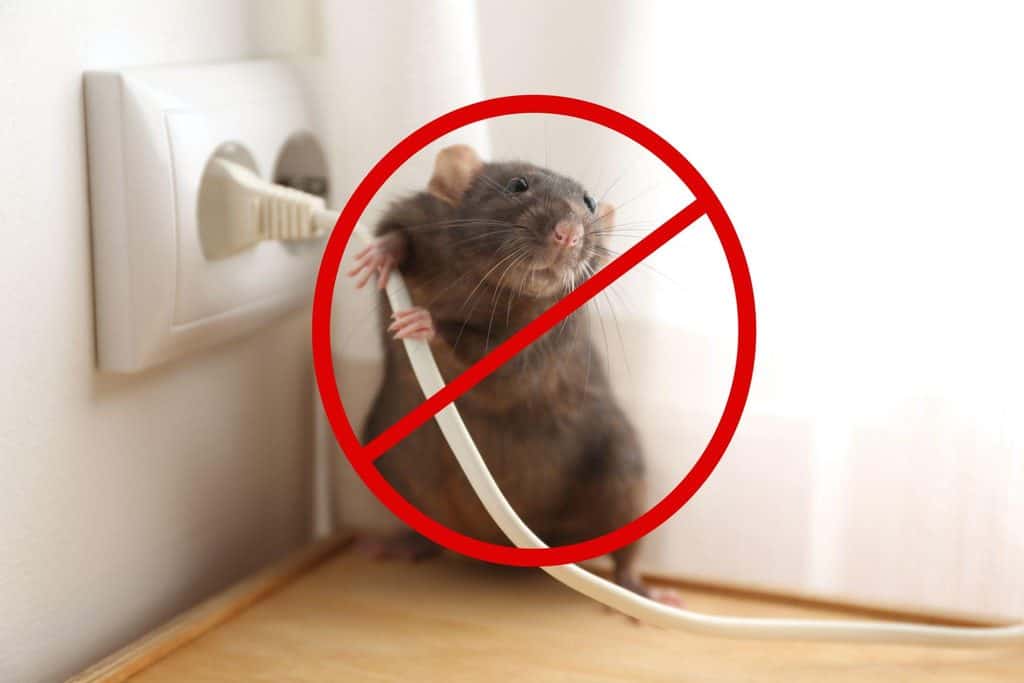
Squirrels chew. Look for round holes about the size of a toonie or golf ball at the roof edge, in fascia boards, at the corners where roof lines meet, and around plumbing vents. They’ll also chew wiring, which is a fire risk an electrician should check.
Birds nest in roof vents, eavestroughs and gaps behind the fascia. A packed vent cuts off attic airflow, and nesting material in an eavestrough blocks drainage.
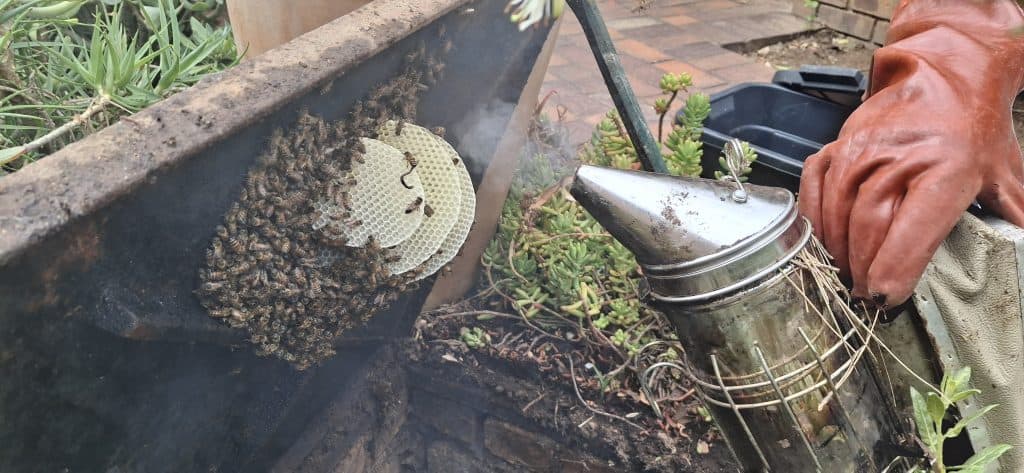
Insects do slower damage. Carpenter ants dig into wood that is already damp, so finding them in roof framing or fascia often means there’s a moisture problem as well as an ant problem. Wasps and bees build in soffits and under loose flashing.
Damage that’s easy to miss
The entry hole is obvious. These problems are not:
- Shingles lifted but not torn off. A raccoon testing for weak spots can break the seal strip along a row of shingles. They look fine from the ground, but the next strong wind can peel them back.
- Torn underlayment. If an animal got through the shingles, it probably punctured the membrane underneath. Patching only the shingle leaves a path for water.
- Soaked decking. Holes left open for weeks let rain in. Plywood or boards around the entry point can be soft or rotting.
- Ruined insulation. Compressed, contaminated or wet insulation loses much of its value and can hold moisture against the roof deck. In many cases it needs to be removed and replaced, and the space sanitized.
- Blocked ventilation. Nests, droppings or crushed vents reduce attic airflow, which leads to condensation in winter and heat buildup in summer.
Getting the repair done properly
Ask the roofer to inspect the whole roof, not just the hole you point out. Animals often try several spots before they get in, and a second weak point can become the next entrance.
A proper repair replaces the damaged decking and underlayment, not just the shingles. It installs new vents with sturdy screening, uses metal flashing or heavy-gauge mesh where the roof meets walls and chimneys, and replaces any chewed fascia or soffit with material that’s harder to chew through.
If you’re in the GTA and need roof repair services in Toronto, ask the contractor whether they’ve repaired wildlife damage before and what materials they use to keep animals from getting back in. Someone who has done this work will know where raccoons and squirrels tend to try next.
Coordinate the trades. Some wildlife control companies do their own exclusion work. Others hand off to a roofer. Make sure everyone knows who is responsible for which openings so nothing gets missed.
Keeping them from coming back
A repaired roof is half the job. A few habits make it less inviting:
- Trim tree branches back several feet from the roofline so squirrels can’t jump across.
- Put chimney caps on any flue without one.
- Keep eavestroughs clean so they don’t become nesting sites.
- Use locking or animal-proof lids on garbage and compost bins, and don’t leave pet food outside.
- Walk around the house each spring and fall and look up for new holes, loose soffit and damaged vents.
Check your policy
Home insurance policies treat animal damage differently, and many exclude damage from rodents, insects or wildlife. Read your policy, or call your insurer, before work begins so you know what’s covered. Take photos of everything first.
The animals were the obvious problem. The damage they leave in the roof can quietly lead to the next one if nobody repairs it properly.
Disclaimer: This article provides general information about roof damage caused by wildlife and insects. It is not pest control, legal or insurance advice. Wildlife removal is regulated in many provinces and municipalities, and some species, including certain bats, are protected, so hire a licensed wildlife control operator and follow local rules. Chewed wiring should be inspected by a licensed electrician, and attic cleanup can involve health risks from droppings, so don’t handle contaminated insulation without proper protection. The roofing company link is included for reader reference only, and the publisher does not endorse any specific contractor.