
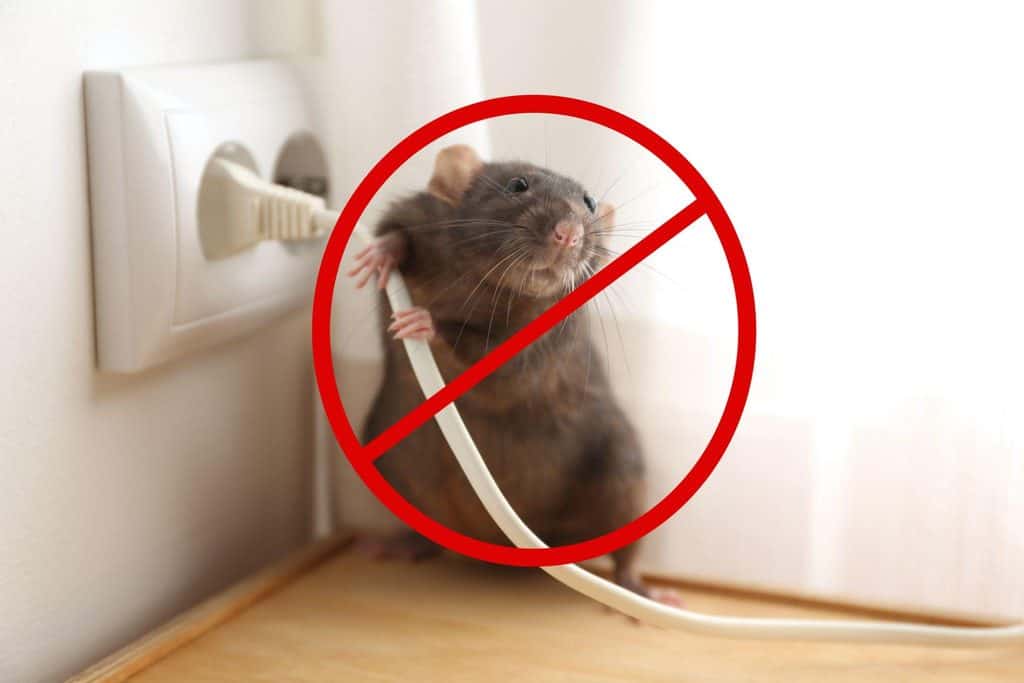
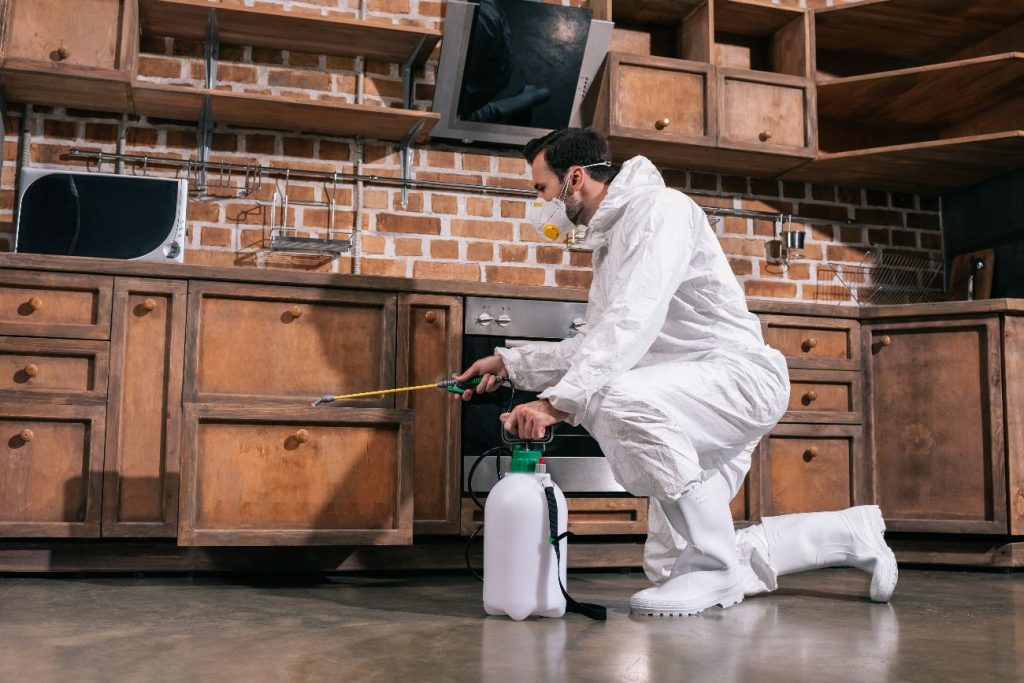
Homeowners often seal doors, check window screens, and clear the yard when trying to keep pests out. Yet the heating, ventilation, and air conditioning (HVAC) system rarely gets the same attention. Gaps around ductwork, damaged exterior openings, damp equipment areas, and cluttered utility spaces can give insects and rodents places to enter or settle.
Neglected filters and dusty equipment can make other maintenance problems easier to miss. Effective HVAC pest prevention combines practical inspections with appropriate repairs, moisture control, and regular upkeep. This checklist covers the areas worth checking before a minor warning sign becomes a bigger problem.
1. Inspect Your HVAC System for Signs of Pest Activity
Begin by looking and listening rather than immediately opening equipment or sealing holes. Scratching, rustling, or movement sounds near ductwork may suggest rodents, especially when they recur at night. Look around accessible registers, the furnace cabinet, and exposed ducts for droppings, nesting material, chewed insulation, or damaged seals.
An unfamiliar odor near a vent or repeated insect activity around a register also warrants attention. Check for gaps where duct sections join and where the cabinet meets nearby walls or flooring. Keep in mind that an insect near a vent does not necessarily mean it is living inside the ducts.
If you find droppings, nesting materials, or suspected contamination within the system, avoid sweeping or vacuuming them. A professional can assess the extent of the problem before cleanup or repair begins.
2. Seal Gaps Around Ductwork and HVAC Openings
Small openings around duct penetrations can be attractive routes for pests, particularly where pipes or ducts pass through a basement wall, floor, attic, or crawlspace. Examine only the sections you can reach safely. Look for disconnected joints, loose register frames, torn flexible ducts, and gaps in the surrounding building materials.
Duct leaks and pest entry points are not always the same thing. Use manufacturer-approved mastic or an appropriate UL 181-listed closure product for compatible duct joints; ordinary cloth-backed duct tape is not a dependable substitute. Gaps in surrounding walls or floors may need durable, rodent-resistant repairs, such as properly fitted metal flashing or mesh combined with a suitable sealant. Materials must suit the location and any fire-safety requirements.
Do not block designed air passages or attempt repairs near combustion equipment without professional guidance. If animals may already be inside, arrange for removal before sealing their possible exit routes. Extensive damage or inaccessible ductwork is a job for an HVAC technician.
3. Check Exterior HVAC Vents and Openings
Exterior HVAC vent inspection should include accessible fresh-air openings, wall penetrations, and the areas surrounding outdoor equipment. Check for loose trim, missing or damaged covers, chew marks, and leaves or nesting debris collected near openings. These signs can reveal where pests are investigating the building.
Where a vent is designed to have a protective screen, confirm that the existing screen is intact, secure, and appropriate for that opening. Never improvise a screen or cover over a furnace exhaust, combustion-air opening, dryer exhaust, or another outlet where restricted airflow could create a hazard. If you cannot identify an opening, have a qualified technician check it.
Clear nearby debris without violating equipment clearances. The aim is to remove shelter and spot structural gaps without interfering with ventilation or equipment performance.
4. Clear Condensate Drain Lines and Eliminate Moisture
Air conditioners and some high-efficiency heating systems produce condensate that must drain away properly. When a pan holds standing water or a drain backs up, the surrounding dampness can make the area more appealing to insects. Recurring moisture can also damage nearby materials.
During cooling season, and during heating season if you have a condensing furnace, check accessible condensate pans, drain connections, and the floor beneath equipment for backed-up water or leaks. Slow drainage, water stains, and musty odors can all justify closer inspection. Clean only the components the manufacturer identifies as homeowner-serviceable, with the system shut down when directed.
Avoid pouring unapproved cleaners into drain lines or dismantling hard-to-reach sections. If a clog returns, a pan overflows, or you cannot identify a leak, have an HVAC technician correct the drainage problem rather than simply wiping up the water.
5. Replace Furnace Air Filters and Inspect the Filter Housing
Filter care belongs on an HVAC maintenance checklist, even though a clean filter cannot keep rodents or insects from entering through structural gaps. A dust-loaded filter can restrict airflow and make heating or cooling equipment work harder. Filter checks also help reveal damage around the housing.
Inspect the filter monthly, particularly during heavy-use months, and replace it when dirty or at the interval specified by the equipment and filter manufacturers. Homes with substantial dust, renovation work, or heavy system use may need more frequent checks. Always choose the correct dimensions and a filter type compatible with the HVAC system.
During furnace air filter replacement, follow shutdown instructions, check the airflow arrow, and make sure the filter seats correctly. Keeping appropriately sized furnace air filters on hand makes it easier to replace a dirty filter during a routine check. Use the opportunity to look for a bent frame, a loose access panel, damaged gaskets, or gaps around the housing that need repair.
If you see evidence of rodents or contaminated materials inside the compartment, leave cleanup to qualified professionals.
6. Keep the Area Around HVAC Equipment Clean
An outdoor unit surrounded by leaves and dense vegetation is harder to inspect, while a crowded utility room gives rodents and insects more hiding places. Clear loose debris around outdoor equipment and trim back plants according to the manufacturer’s required clearances. Check the area for burrows, nests, and gnaw marks.
Indoors, keep cardboard boxes, paper, and seldom-used storage away from the furnace. Maintain the service and safety clearances your equipment requires, and keep access panels easy to reach. Address spills and damp storage materials promptly.
Do not spray pesticides into air vents, ductwork, or HVAC components. If pest treatment is needed nearby, use a licensed professional who can choose a method that will not compromise the system.
7. Know When to Call a Pest Control or HVAC Professional
Basic housekeeping and visual checks are useful, but active infestations and damaged mechanical components need specialized help. Persistent scratching in ducts, fresh droppings, chewed insulation, or nesting material inside equipment are reasons to contact a licensed pest-control provider. Recurring insects around registers may also require an investigation to locate their actual entry route.
An HVAC technician should handle damaged or disconnected ducts, inaccessible openings, a compromised filter cabinet, and stubborn condensate drain problems. If ducts contain rodent contamination, coordinate the pest removal and any necessary cleaning or component replacement with qualified providers. Do not sweep, vacuum, or handle suspect nesting materials yourself.
Without fixing the opening or moisture condition that attracted pests, activity may return.
Final Step: Make HVAC Pest Prevention a Regular Habit
Add these checks to your seasonal home maintenance schedule rather than waiting for a strange smell or noise. Walk around accessible vents and equipment areas, inspect filters regularly, and note any new gaps, chew marks, or standing water. Recheck exterior openings after storms or yard work that may have disturbed covers or nearby materials.
Schedule routine HVAC service according to the equipment manufacturer’s guidance, and ask for help when an opening, drainage issue, or possible infestation is beyond a safe visual inspection. A clean, dry, properly sealed, and regularly maintained system offers pests fewer convenient access routes and places to settle.