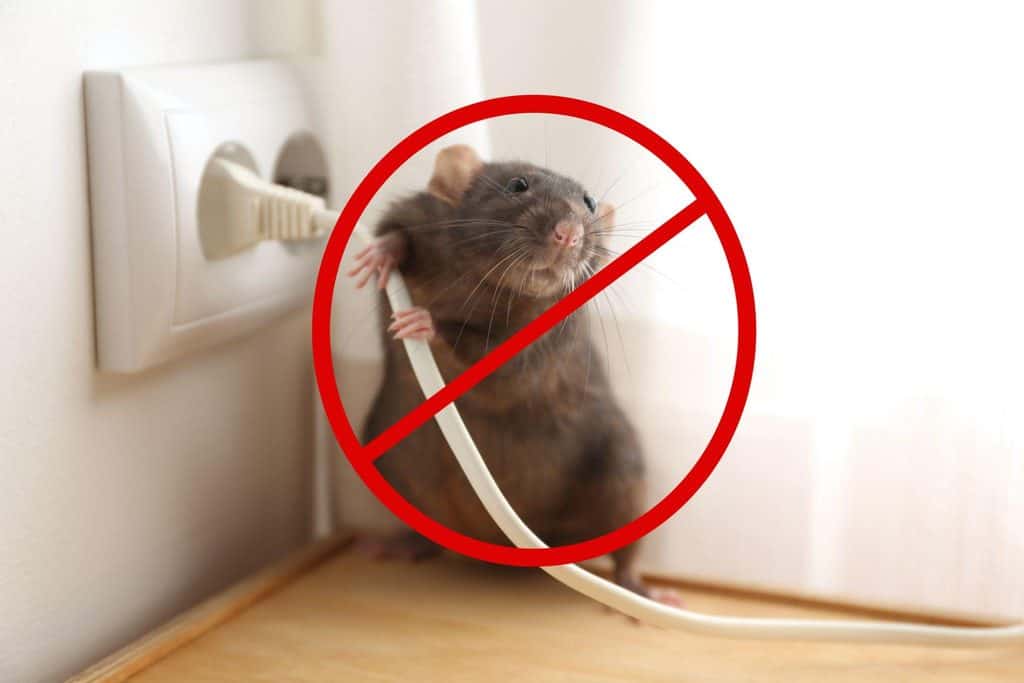
The first week in the dorm is great until 2 AM, when something scurries across the floor. No one tells you about this portion. Shared kitchens, common bathrooms, hallways lined with dozens of doors on either side – residence halls might as well have a welcome mat out for roaches, ants and mice. These structures are home to hundreds of individuals who live, sleep and leave crumbs in areas that they have forgotten all about. There are bed bugs too, although not as often as horror clichés would have it.
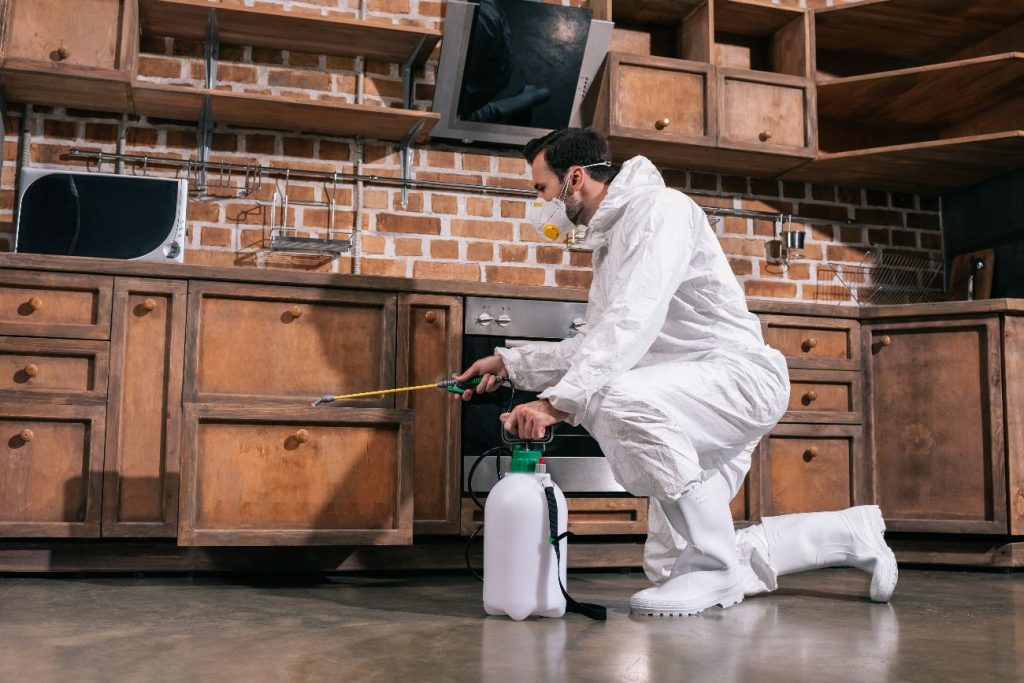
Contractors are also hired by universities for regular rounds of pest treatment. The snag? Those visits get posted on a calendar, not your timeline. If a roach shows up on a Tuesday and the next spray is three weeks away, you’re on your own until then.
What Makes Dorm Rooms So Vulnerable to Pests?
Two words: density. Turn over. Lock 200+ students in a building with shared plumbing and you have a superhighway for anything with 6 legs. Ventilation ducts connect every floor. The recycling room down the hall? On weekends nobody touches it. Pests move between rooms through holes around pipe fittings, beneath doors with worn sweeps, and in the furnishings some former tenant dumped in June.
The semester switchovers are the worst part. Everyone goes in May. Rooms empty all summer, windows closed, no foot traffic. Rodents and insects live in wall cavities and closet corners, yet no one sees them. Then it’s August, when a new shipment of granola bars and instant noodles arrives, and the building’s unofficial tenants have a feast planned. You haven’t even finished unpacking and the mice already know where the delicious food are.
How Does a Busy Study Schedule Affect?
Here’s a pattern every RA recognizes. Students carrying a full course load basically live at the library. The dorm room turns into a crash pad — somewhere to sleep, not somewhere to maintain. Dishes sit unwashed for three days straight. A trash bag gets tied shut but sits by the door for a week because nobody walks it to the bin. Laundry mountain grows in the corner behind the desk chair. Pests need three things: moisture, organic scraps and quiet hiding spots. A neglected dorm room delivers all three on a silver platter.
Finals season cranks this up to eleven. Picture a student on their third consecutive all-nighter. They eat ramen at their desk, crumbs fall behind the laptop, and that half-finished cup of broth sits there until it starts smelling sour. At that point, pest prevention tips are the last thing on anyone’s mind.
Academic pressure can genuinely grind students down to nothing, and basic self-care falls apart first. When essay deadlines are stacking up faster than you can handle them, outsourcing the heavy research papers to experienced writers at https://edubirdie.com/pay-for-homework buys back real hours you’d otherwise spend buried in sources. Those recovered evenings mean actual sleep, a home-cooked meal instead of vending machine chips, maybe even mopping the bathroom floor for once. The stress won’t vanish entirely — it never does — but approaching your workload with a bit of strategy keeps the rest of your life from falling apart around you.
How Can You Pest-Proof Your Room on Move-In Day?
The first 48 hours basically set the tone for your entire year. Inspect things before they cross the threshold, not after.
- Mattress seams and bed frame joints — grab your phone flashlight and run it along every stitched edge and screw hole. Bed bugs leave tiny dark marks, almost like someone tapped an ink pen against the fabric.
- Closets and drawers — pull each drawer all the way out. Look in the back corners for droppings or papery bits of shed insect skin.
- Window seals and door sweeps — try the paper test. Slide a sheet under the closed door. If it goes through easily, a mouse can too.
- Boxes and luggage — roaches love cardboard. It’s their favorite ride. When you can, unpack outside the room and only carry the actual items in.
Flag any gaps, cracks or busted seals to your RA that same day. Move-in week is actually the best time to file maintenance requests because the staff expect a wave of them and respond fast.
Which Daily Habits Keep Pests Away?
Most preventative pest control takes about five minutes before you go to sleep. Honestly, that’s it. Doing a little bit every night beats a big weekend scrub-down every single time.
| Habit | Why It Matters | Time |
| Wipe your desk and nightstand | Food residue you can’t even see draws ants in overnight | ~1 min |
| Clip snack bags shut | An open bag is basically a roach buffet | 30 sec |
| Walk the trash out before it’s stuffed full | A half-full bin gives off less smell, so fewer pest scouts come investigating | ~2 min |
| One quick sweep under the bed | Crumbs roll under there and pile up for weeks without you realizing | ~1 min |
| Rinse any mugs or bowls right after you use them | Standing water plus food residue equals fruit flies within hours | ~1 min |
You don’t need fancy cleaning products for any of this. Wet cloth, broom, done. Nobody’s asking for spotless — just regular.
What Are the Most Common Dorm Pests and How Can You Identify Them?
Each pest has its own scientific name, according to the UC IPM Natural Enemies Gallery guide. Spot the indications early and you’ll have a headache less later.
Roaches like warm, moist areas around the plumbing. Turn on a light in the bathroom at 3 AM and there they are. Their poop was like someone had sprinkled black pepper along the baseboards. See one cockroach? There are probably thirty more back there behind the drywall. It’s just the way they do business.
Mice chew right through cereal boxes, leaving shredded paper where they entered. The droppings are small pellets, dark, and about the size of grains of rice. If you hear the walls scraping at nite, then you have your proof.
Bed bugs bite exposed skin while you are sleeping and the bites appear in little clusters. Check for faint blood stains and rusty-brown specks in the mattress seams. And no, they have zero connection to how clean you are. They hitchhike on suitcases and jackets.
Ants march in a neat single-file line straight to whatever food source they’ve found. Wipe that trail down with soapy water — it breaks the scent path their scouts laid down and forces them to start the whole search over.
How to Store Food in a Shared Space?
Airtight containers solve over 80 percent of food related bug problems overnight. Take your cereal, rice, pasta and snack packs out of their original containers and pour everything into hard-sided bins with snap-on lids. Cardboard? Plastic thin? Mice and roaches chomp through both without missing a beat.
Your mini-fridge is ready for some TLC, too. Spills on the shelves and sticky goo on the door gasket attract fruit flies and ants. One wipe-down on Sunday — takes maybe forty-five seconds — prevents weeks of buildup.
What Should You Do When You Actually Find a Pest?
Don’t panic. A single spider does not equal an infestation. Snap a photo on your phone — make sure the timestamp is visible — and take it to your housing office that same day. Most universities promise a 48-hour turnaround on pest control requests for residence halls.
Whatever you do, skip the store-bought spray cans. Chemical foggers don’t solve the problem. They push roaches and bugs into your neighbor’s room through the shared walls, and the fumes create real health concerns for your roommate. Professional pest control methods go after the source. DIY spraying just masks the symptom for a few days.
Three mistakes that make everything worse:
- Dropping poison bait traps on a floor where people walk around barefoot every morning
- Stuffing gaps with duct tape instead of asking maintenance to apply proper caulking
- Telling yourself it’ll go away on its own — spoiler, it absolutely will not
The Bottom Line
Pest prevention in a dorm really comes down to three things. Inspect everything on move-in day. Spend five minutes each night on basic cleanup. Report any pest sighting the moment you notice it. Shared buildings carry more risk than a solo apartment — that’s just the nature of communal living — but students who stay on top of their room almost never end up on the exterminator’s repeat visit list. So tonight, take those five minutes. Wipe the desk, clip the chips bag shut, check under the bed. Small habits compound way faster than you’d think.