After a windstorm, missing shingles and fallen branches tend to get the most attention. Smaller openings around the roof edge can be easier to miss. A loose soffit panel or damaged attic vent may give squirrels, mice, birds, and other animals a way inside.
A storm does not guarantee a pest problem. It does give homeowners a reason to check the roof and attic for changes. Finding damage early helps you arrange repairs before rain or unwanted visitors create more work.
Start With a Safe Check From the Ground
Wait until the storm has passed and conditions are safe. Walk around your home from a safe distance, using binoculars or your phone’s zoom to examine areas you cannot see clearly.
Stay away from fallen wires, hanging branches, and loose building materials. Leave roof access and ladder work to a qualified professional, especially when the roof may be wet or damaged.
Look for shingles in the yard, bent gutters, hanging panels, and branches resting on the roof. Photograph anything unusual. Note the location so a contractor can check that area closely.
An intact-looking roof can still have damage that is hard to spot from below. Treat your walk around the house as a way to gather information for a closer inspection.
Check Soffits, Fascia, and Roof Edges
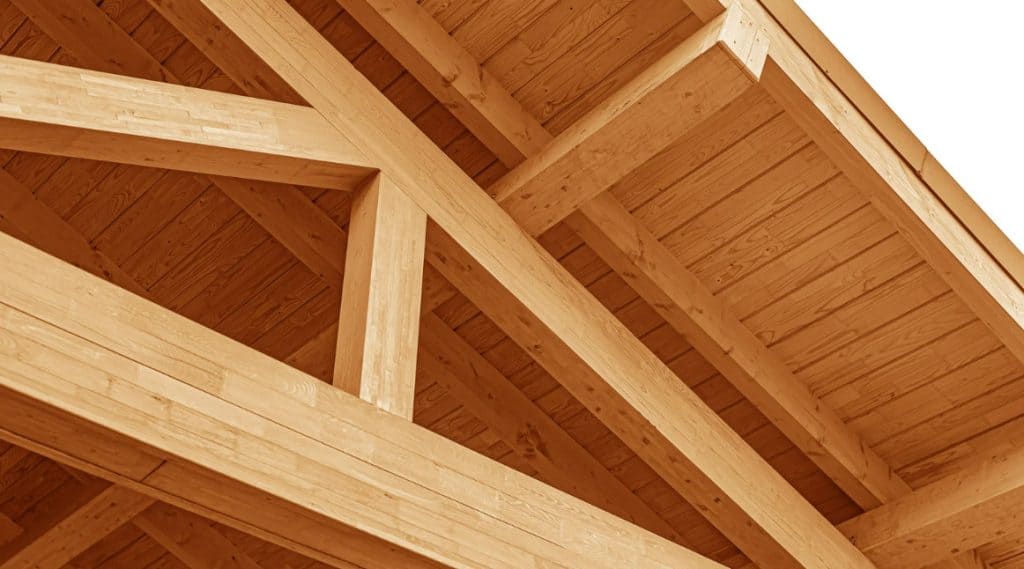
The soffit covers the underside of the roof overhang. The fascia runs along its outer edge, where gutters are often attached. These areas deserve attention after strong winds.
Look for:
- Soffit panels that have shifted, sagged, or fallen out.
- Gaps where the roof overhang meets an exterior wall.
- Loose trim or exposed wood along the roof edge.
- Gutters that have pulled away from the fascia.
- Fresh chewing marks around an existing opening.
Small gaps matter. The CDC notes that mice can fit through an opening about one-quarter inch wide and recommends checking eaves, soffits, gables, and attic vents for access points. CDC
Avoid assuming every opening appeared during the storm. Older rot or loose trim may become more visible after wind removes a panel or moves a gutter.
Look for Damaged Vents and Covers
Attic ventilation openings are another area to check. From the ground, look for a crooked gable vent, missing louvers, or a roof vent cover that appears displaced.
Have a professional check damaged components and any protective screening. Different vent systems require different repairs, and screening must be compatible with the vent’s design.
Keep required ventilation openings clear. Blocking a vent to keep animals out can interfere with airflow. The repair should restore both weather protection and the vent’s intended function.
Check for Water Inside the Home
Look at ceilings and upper walls for new stains, damp patches, or peeling paint. If the attic is safely accessible, check from a secure platform with a flashlight. Avoid walking on ceiling drywall or disturbing insulation.
Possible warning signs include wet insulation, dripping water, and fresh staining on the underside of the roof decking. Report musty odors and unfamiliar patches of daylight as well. Some light around certain ventilation details may be normal, so have a roofer assess what you see.
Record where moisture appears and whether it changes during rain. That information can help a contractor trace its source. An inspection can also help distinguish a roof leak from condensation or another moisture issue.
Watch for Signs of Attic Pests
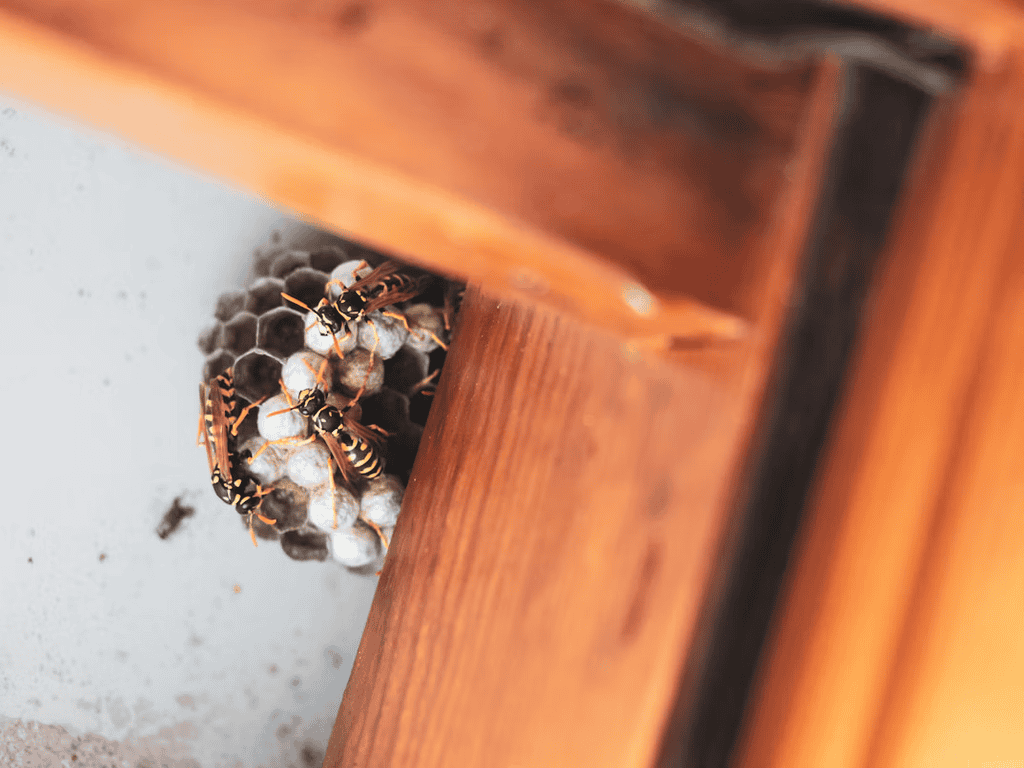
Over the following days, pay attention to repeated scratching, scurrying, or movement near the eaves. You may also notice nesting material around an opening or animals entering the same spot.
Inside the attic, possible signs include droppings, gnawed materials, disturbed insulation, and nests. These clues warrant a pest inspection, but they do not establish when animals arrived. An older infestation may only become apparent while you are checking storm damage.
Avoid handling nests or droppings. Follow CDC cleanup guidance for rodent waste, which advises against sweeping or vacuuming it before proper disinfection. Ask a qualified professional about extensive contamination or areas you cannot safely reach. CDC
Coordinate Pest Removal With Roof Repairs
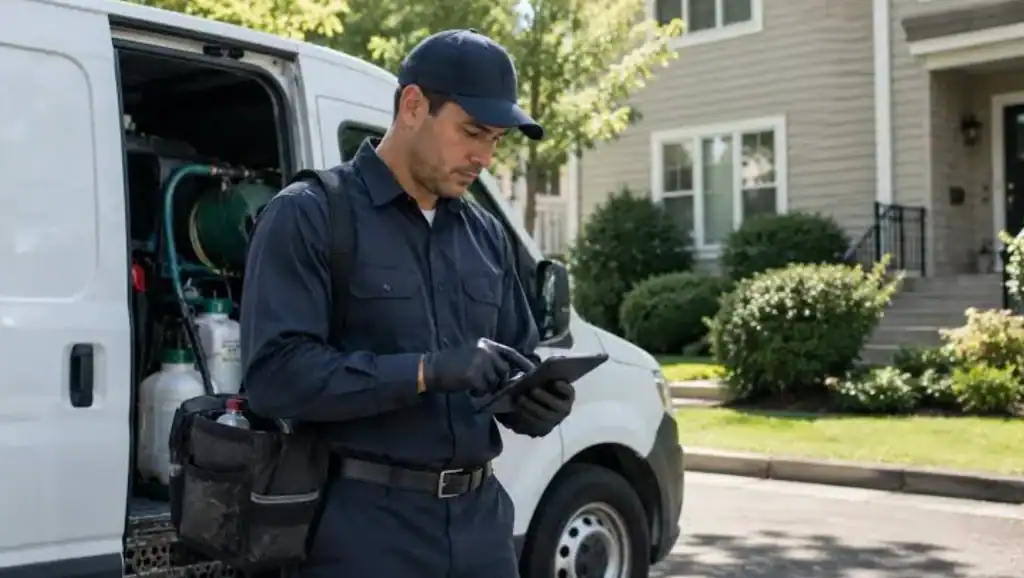
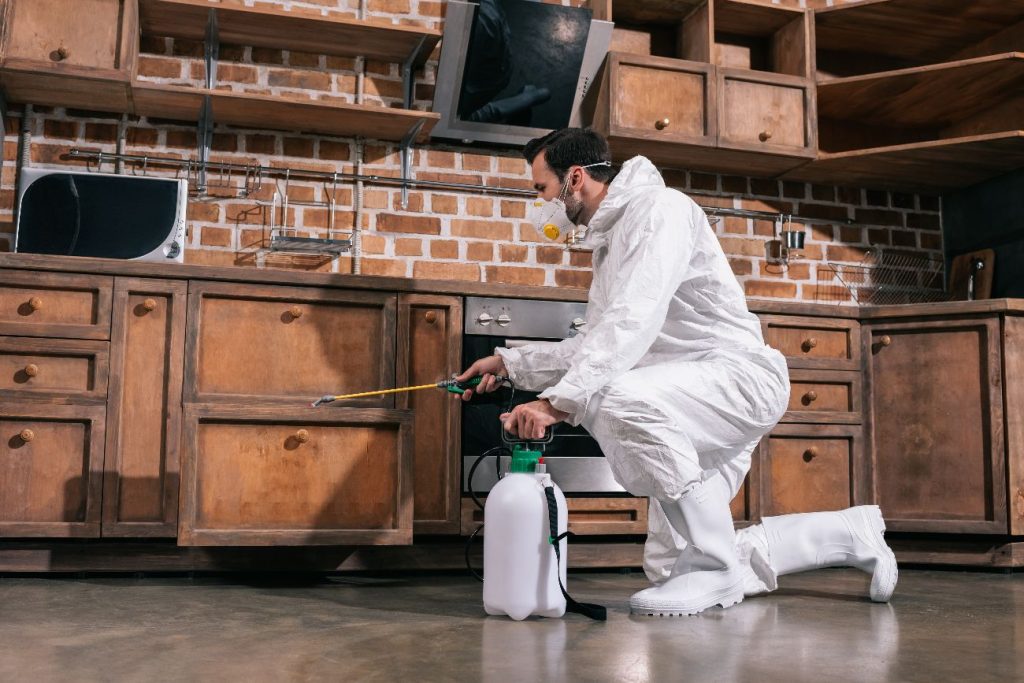
If animals may be inside, contact a qualified pest or wildlife professional before closing their suspected access point. The specialist can identify the species, check for dependent young, and plan removal or exclusion under applicable rules.
A roofer can assess damaged roof materials and explain the permanent repair. Share both professionals’ findings so removal, temporary weather protection, and final repairs happen in the right order.
For Maryland homeowners, a roof inspection from RoofPRO can help evaluate the roof’s condition after high winds. Its inspection process includes checking shingles, flashing, vents, gutters, and the attic for signs of moisture and other concerns. That assessment can help define the roofing work needed alongside pest treatment.
Keep a Record and Follow Up
Save photos, inspection findings, and repair invoices. Ask which openings were repaired, whether nearby materials were damaged, and whether further attic work is needed.
After repairs, watch for new leaks or renewed animal activity. Report recurring signs promptly. A careful check after high winds gives you a practical starting point for protecting the roof, keeping the attic dry, and addressing pest access before the problem grows.