Quick Answer
Getting rid of mice starts with confirming they’re there, then cutting off what keeps them around. Look for droppings, gnaw marks, and scratching sounds at night. Seal every gap larger than a coin, store food in solid containers, and set traps along the walls where mice travel. If the problem keeps coming back, a trained pest technician can find hidden entry points and clear the nest at its source.
Introduction
That faint scratching in the wall at two in the morning is rarely your imagination. A single mouse can slip through a gap the width of a pencil, and where there’s one, a dozen relatives are usually tucked nearby. These quiet squatters breed fast, chew through wiring, and leave a mess that puts your family’s health at risk.
A mouse problem is fixable once you know what you’re looking at. Homeowners across the country deal with this every autumn, and learning how to get rid of mice early makes clearing them out far less of a headache than it used to be. The trick is acting before a couple of curious visitors turn into a full-blown colony.
This guide walks you through spotting the trouble, shutting the door on it, and keeping your home rodent-free for good.
Spotting the Early Clues of a Rodent Problem
Mice are secretive by nature, so you’ll usually notice the evidence long before you spot the animal itself. Catching these clues early is what separates a quick fix from a months-long battle. Since a female mouse can produce dozens of young in a single year, the gap between “I think I heard something” and a real problem can be short.
Here are the most common mouse infestation signs to check for around your home:
- Droppings: Small, dark pellets roughly the size of a rice grain, pointed at both ends. You’ll find them along baseboards, inside cupboards, and under sinks where food is close by.
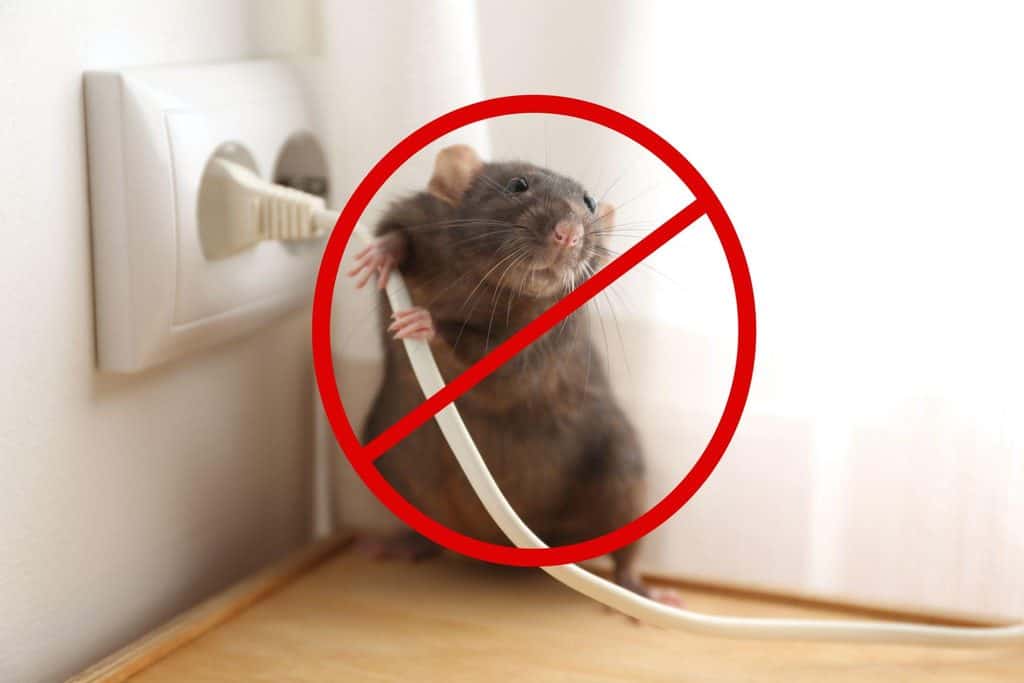
- Gnaw marks: Fresh bite marks on wood, cardboard, wiring, or food packaging. Mice chew constantly because their teeth never stop growing.
- Grease trails: Dark, oily smudges along walls and corners where the same runways get used night after night.
- Nests: Shredded paper, fabric, or insulation bundled into hidden corners like attics, wall cavities, or behind appliances.
- Night noises: Scratching, squeaking, or scurrying behind walls once the house goes quiet after dark.
- A musty odour: A stale, ammonia-like smell that grows stronger as the population builds.
Where to Look First
Rodents gravitate toward warmth, food, and quiet. Focus your search on the spots that offer all three, and you’ll usually find evidence fast.
| Area of the Home | What to Watch For |
| Kitchen and pantry | Droppings near stored food, chewed packaging |
| Basement and crawlspace | Nests, grease marks along walls |
| Attic and wall cavities | Scratching sounds, shredded insulation |
| Garage and utility rooms | Gnawed wiring, tracks in dust |
| Behind appliances | Warm nesting spots near fridges and furnaces |
The Cost of Waiting Too Long
A few droppings today can become a serious problem within weeks. Beyond the damage to insulation and wiring, which can spark electrical fires, mice spread bacteria through their urine and waste. According to the CDC, rodents can carry and transmit a range of diseases to people through contaminated air, food, and surfaces. That’s the real reason brushing off those first small clues tends to cost far more down the road.
Once you’ve confirmed that mice have moved in, the next job is shutting off every route they use to get inside.
Sealing Entry Points and Locking Mice Out
Spotting the problem is only half the fight. Removing the mice already inside while leaving their entrances wide open just invites the next wave in. A lasting fix pairs active removal with tight, careful exclusion, so treat both together rather than one at a time.
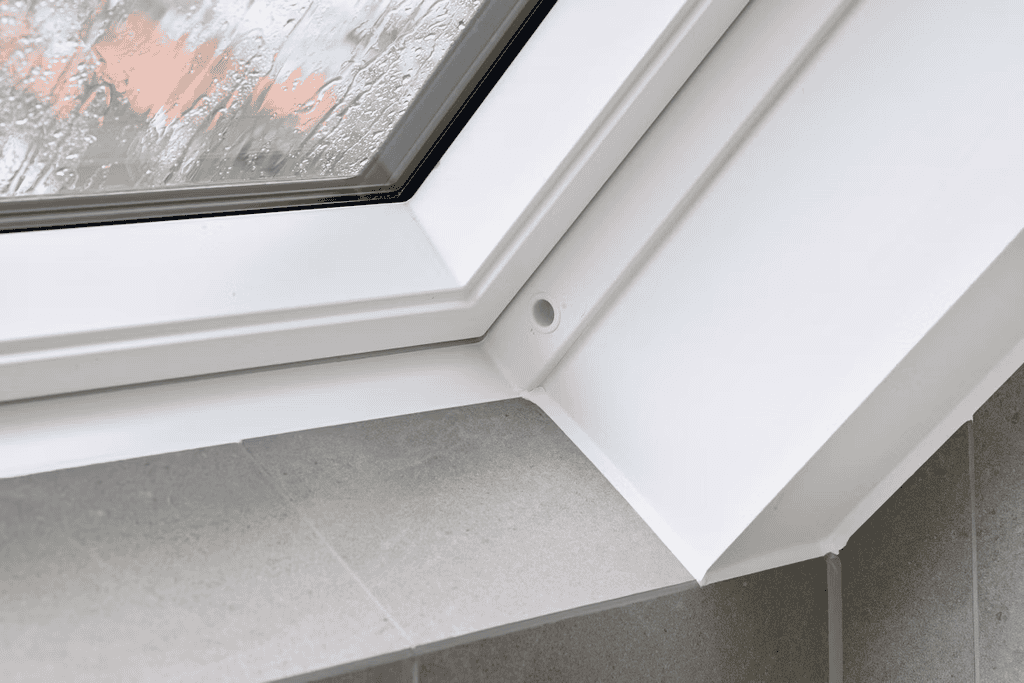
Start by walking the outside of your home slowly. A mouse can squeeze through a gap no wider than a coin, so inspect low and close: gaps under exterior doors, cracks in the foundation, and the spots where pipes, vents, and utility lines pass through walls. Seal these openings with steel wool packed into cracks and finished with caulk, or use wire mesh and quick-drying cement for larger holes. Mice won’t chew through metal, which makes it the material of choice.
Next, take away the food and shelter that drew them in:
- Store dry goods, pet food, and birdseed in sealed glass or metal containers instead of bags or boxes.
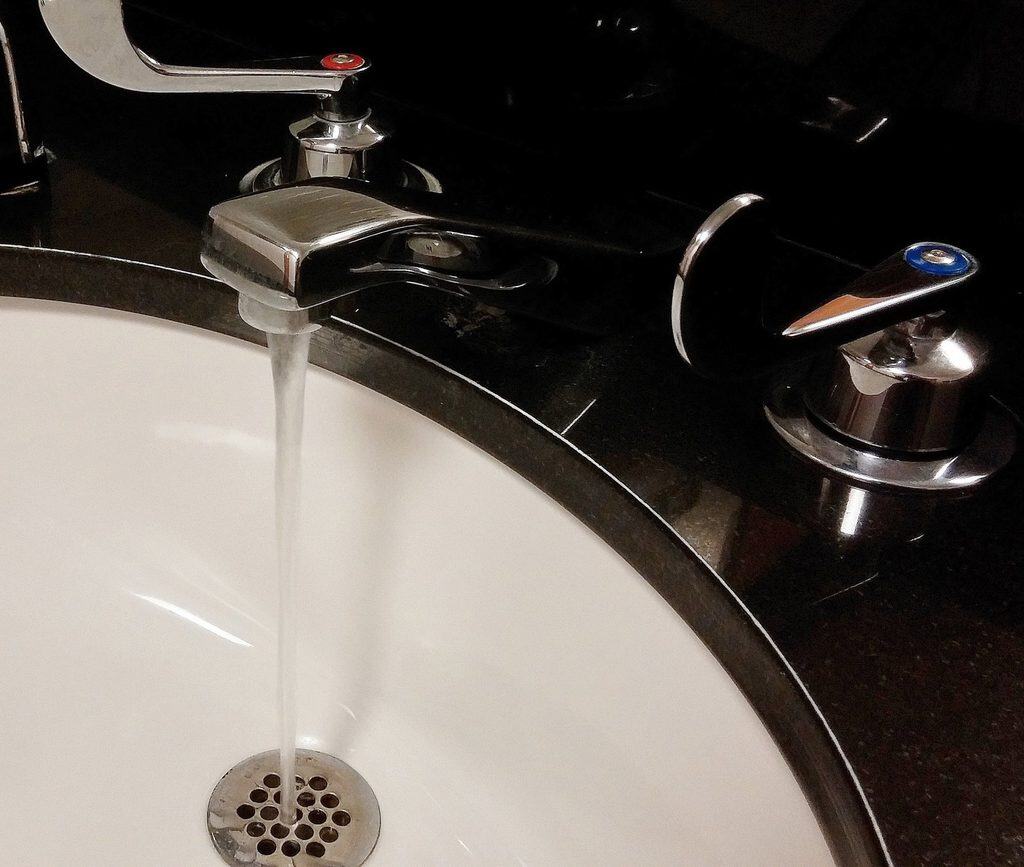
- Fix leaky taps and pipes, since even a little standing water sustains a colony.
- Empty pet bowls overnight and wipe down counters to clear crumbs.
- Keep rubbish in bins with tight lids, indoors and out.
- Clear clutter and lift storage boxes off the floor to remove nesting spots.
For removal itself, snap traps remain the most dependable tool for homeowners. Place them at right angles to the wall with the trigger facing the runway, baited with a dab of peanut butter, and set several a few feet apart in busy areas. Here’s how the common approaches compare:
| Method | Best For | Things to Keep in Mind |
| Snap traps | Quick, targeted removal | Cheap and effective; check and reset daily |
| Live traps | Humane catch-and-release | Must be monitored often; release far from home |
| Bait stations | Ongoing pressure | Keep sealed and away from kids and pets |
| Poisons | Larger infestations | Risk of secondary poisoning and hidden odours |
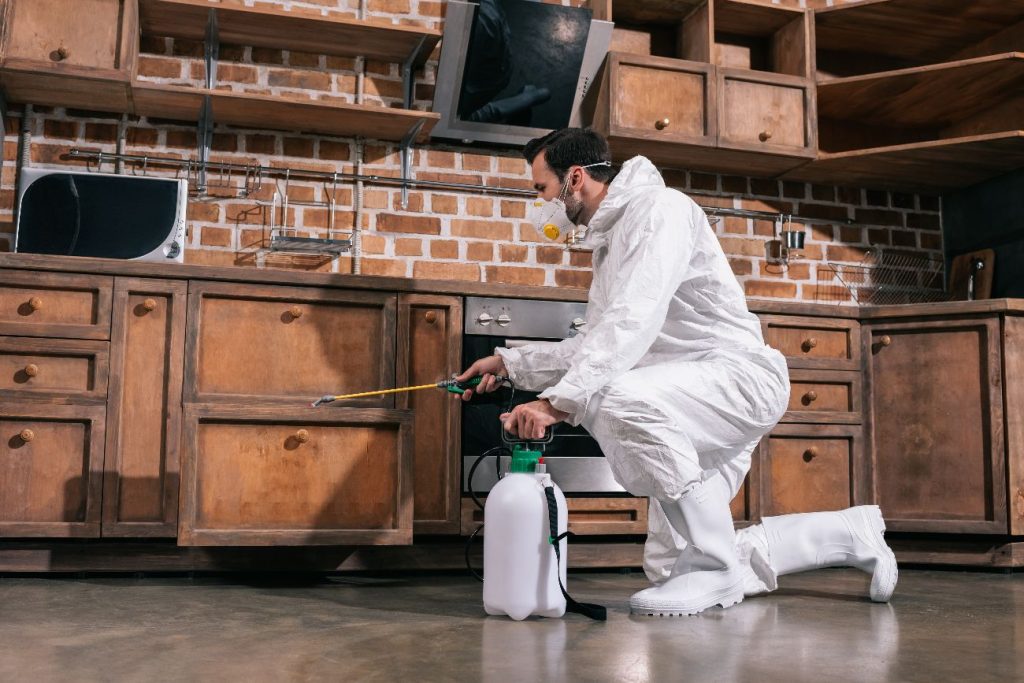
Poisons carry real drawbacks, since a mouse can die inside a wall and leave a lingering smell, so many people leave those to trained hands. Homeowners who bring in professional mice control Calgary services skip that guesswork, since a technician can locate hidden entry points and clear the nest properly when traps keep filling or the noises never quite stop.
Keeping Your Home Mouse-Free for Good
Mice earn their reputation as tough houseguests, but they’re far from unbeatable. The whole approach comes down to three moves that work as one: read the signs early, seal off every way in, and remove the ones already nesting inside. Skip any single step and the problem tends to circle back within a season.
Stay watchful once your home is clear. A quick check of the pantry, basement, and garage every few weeks catches trouble while it’s still small and easy to handle. Keep food sealed, gaps plugged, and clutter down, and you take away everything a mouse needs to settle in.
If the scratching returns or the traps keep filling no matter what you try, there’s no shame in calling for backup. A trained technician sees the hidden gaps most homeowners miss and clears the nest at its root. Act early, stay consistent, and your home stays quiet, healthy, and yours.