Power supply lines and utility hardware face continuous exposure to outdoor threats, ranging from severe weather to structural wear. Among these risks, wild animals and timber-destroying insects represent a persistent hazard to regional distribution networks.
Small wildlife species regularly interfere with overhead lines and ground switchgear, causing unexpected service disruptions. Protecting power infrastructure requires clear strategies to prevent animals from entering sensitive high-voltage enclosures.
Vulnerabilities in Overhead Distribution Systems
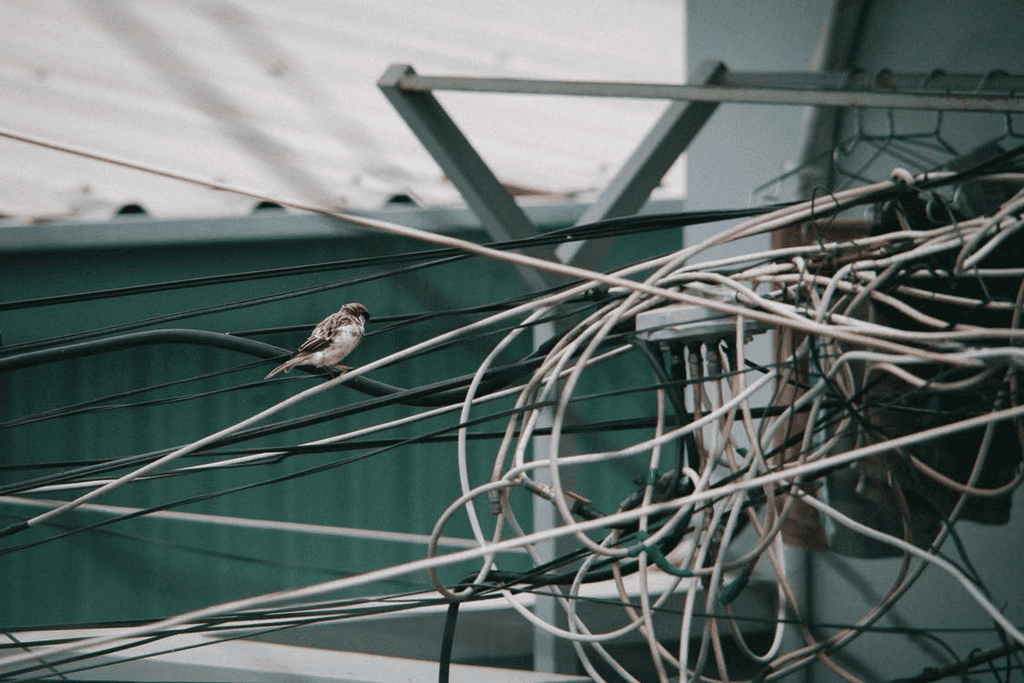
Overhead cables and mounting structures remain exposed to local weather conditions throughout their service life. Outdoor placement encourages birds, climbing mammals, and insects to seek shelter near live distribution equipment.
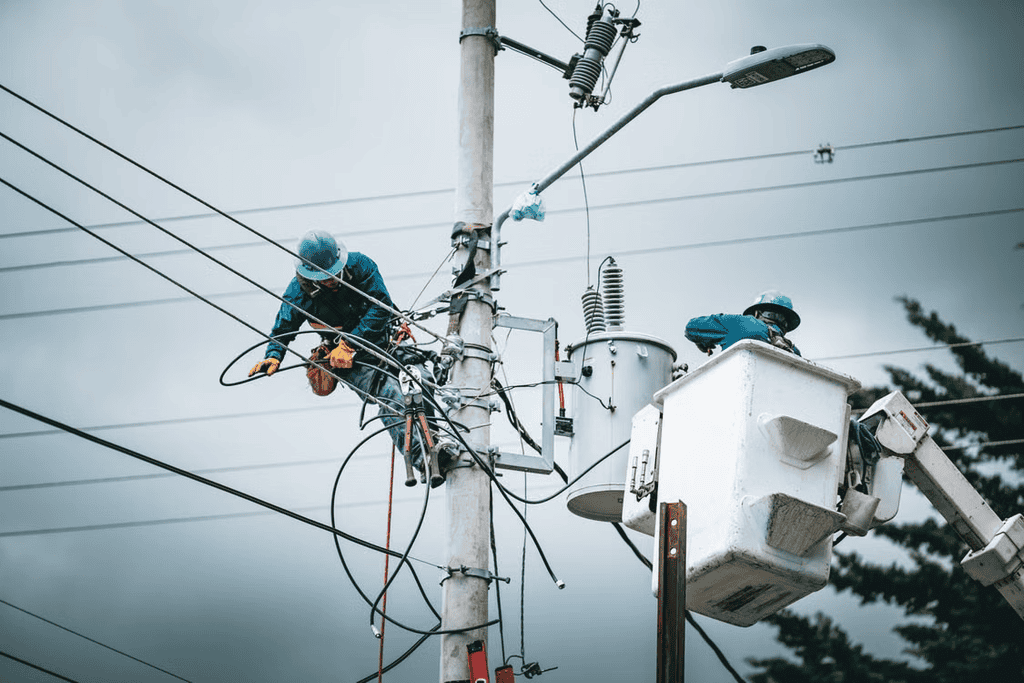
Utility operators must routinely inspect overhead mounting hardware to maintain continuous service reliability for nearby homes. Regular maintenance of power connection poles helps prevent sudden service interruptions caused by climbing wildlife. Field technicians conduct detailed inspections to spot early signs of hardware wear or animal activity near high-voltage conductors.
Unchecked physical damage creates narrow entry gaps where rainwater and organic matter collect as seasonal weather changes. These damp pockets create ideal nesting sites for local fauna seeking warmth near active electrical lines.
Chewing Wildlife and Equipment Failures
Rodents and small mammals possess strong teeth capable of gnawing through heavy plastic covers and protective conduit. The synthetic rubber insulation surrounding copper wiring attracts urban rodents looking to trim their growing teeth.
A report by Team UIS notes that squirrels, birds, and snakes belong to a long list of animals capable of damaging electrical equipment at unexpected moments. Their movement across transformer bushings frequently bridges energized phases, triggering immediate electrical trips.
Short circuits instantly cut power flow to residential neighborhoods and commercial operations. Emergency repair crews must clear shorted conductors and replace burned wiring before resetting main distribution breakers.
Termite Infestations in Timber Utilities
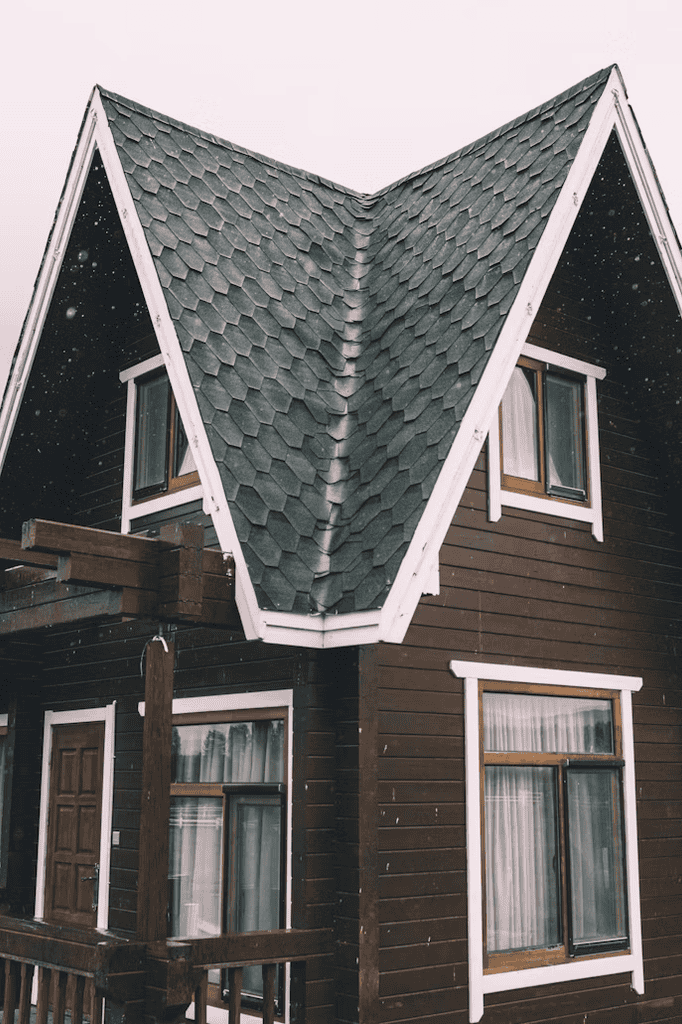
Wooden support columns offer sturdy load-bearing capacity but remain susceptible to subterranean insect attacks. Underground insect colonies construct hidden tunnels from damp soil straight into the internal core of timber supports.
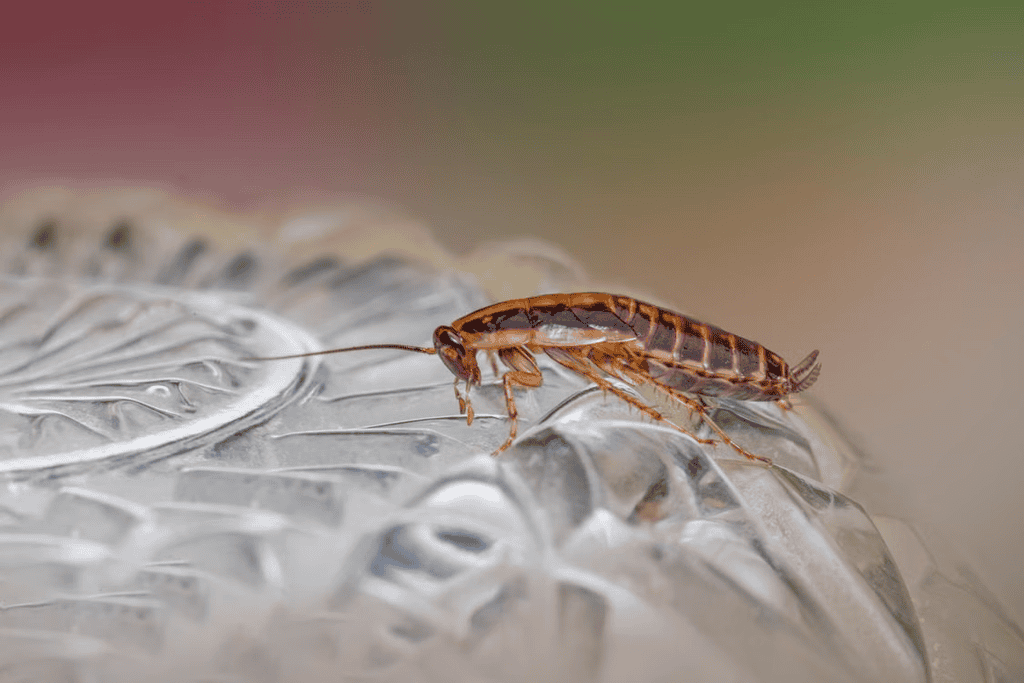
Field research by Clean and Green Pest Control reveals that termites can live inside timber power poles, particularly older units exposed to damp conditions. Internal hollowing reduces load capacity without displaying obvious warning signs on the outer wooden surface.
Severely hollowed timber supports risk sudden structural collapse during severe windstorms or heavy rain events. Unplanned pole collapses create major safety risks for nearby traffic and residential properties.
Bird Nesting and Substation Incidents
Avian species frequently choose elevated utility crossarms and transformer tops to construct their seasonal nests. Construction materials like dry twigs, grass, and scrap wire gather near energized busbars, creating severe fire hazards.
Nesting material frequently triggers unexpected ground faults when damp weather hits the region. Field crews report several distinct bird activities that threaten overhead distribution equipment:
- Storing dry twigs and metallic scraps near live high-voltage junctions
- Dropping wet nesting debris onto energized line connectors
- Perching on ceramic insulators and bridging phase gap distances
Installing physical bird spikes and angled deflectors deters large birds from roosting on high-voltage frames. Routine nest removal programs keep critical transformer enclosures clean and free from flammable debris.
Long-Term Physical Decay and Lifespan Reduction
External hardware components degrade rapidly when continuous biological activity weakens primary support structures. Weakened utility posts require premature replacement to prevent total physical collapse under heavy line tension.
Electrical service data from SparkPro shows that private power poles offer an average service life of 25 to 40 years, though termite damage, rust, extreme weather, and impact can shorten this duration. Timely structural evaluations prevent unexpected replacement expenses for property managers.
Property owners should schedule regular physical checks to identify early signs of fungal decay or insect entry holes. Taking action early protects attached electrical cables from suffering secondary structural stress.
Preventative Barriers and Defensive Hardware
Utility operators deploy specialized mechanical barriers to stop wild animals from reaching sensitive switchgear. Smooth plastic guards wrapped around support columns prevent climbing mammals from accessing high crossarms.
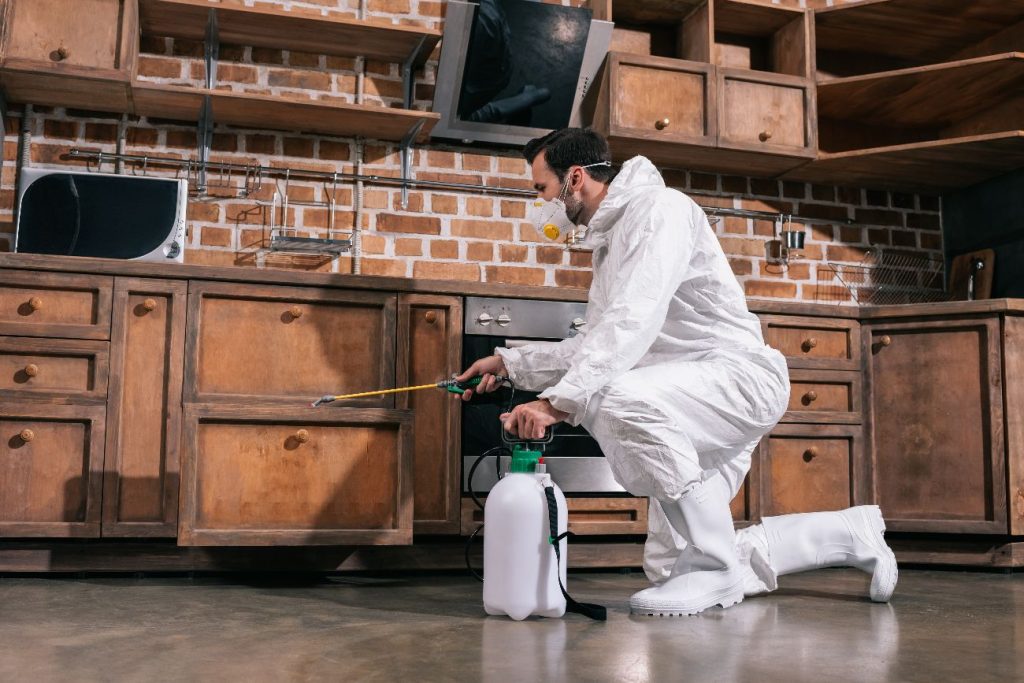
Chemical soil treatments applied around ground bases create protective barriers against subterranean termite activity. Applying non-conductive protective sleeves over exposed copper conductors adds extra defense against wildlife contact.
Trimming tree limbs near overhead lines removes natural jump points used by squirrels and possums. Maintaining clear clearance zones reduces animal interactions with live distribution lines.
Modern Monitoring and Infrastructure Protection
Advanced monitoring systems utilize acoustic sensors to detect hidden insect activity inside timber supports. Early detection allows utility crews to apply targeted chemical treatments before severe structural damage occurs.
Thermal imaging cameras identify localized hot spots caused by animal nesting debris or loose wire connections. Technicians resolve these thermal anomalies during scheduled maintenance windows before major outages happen.
Upgrading traditional timber supports to composite or concrete materials removes insect threats entirely. Synthetic materials deliver long-lasting durability and stand up to severe weather conditions without decaying.
Pest management remains a key priority for maintaining stable electrical networks across regions. Taking proactive steps reduces unexpected power interruptions for communities.
Combining regular inspections with modern physical barriers protects critical grid infrastructure from wildlife damage. Investing in resilient materials keeps power flowing safely to homes and commercial businesses.