
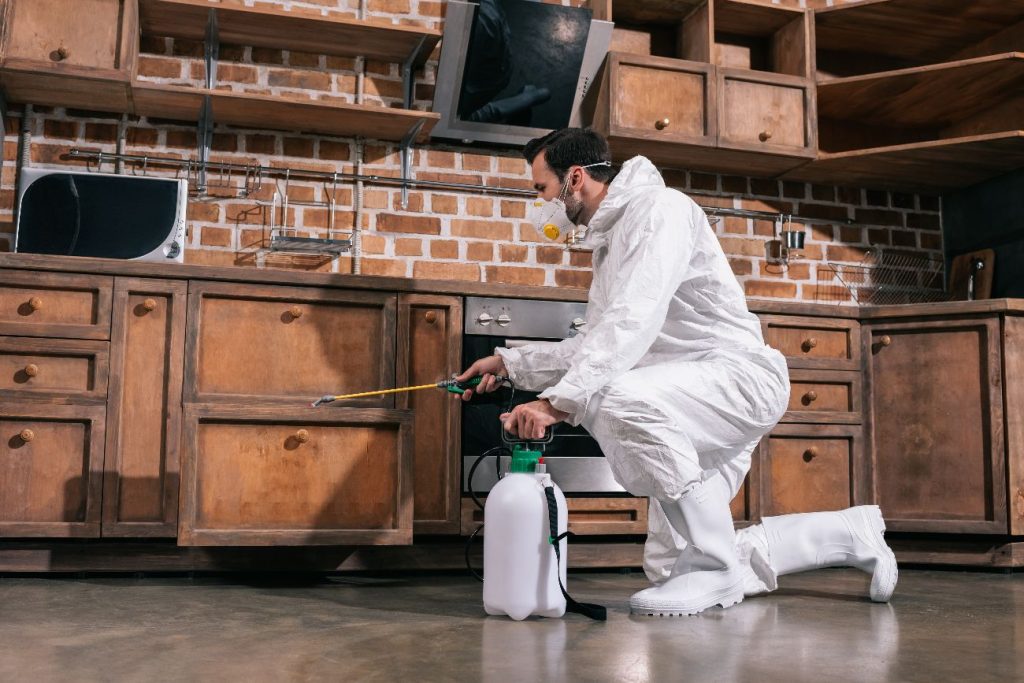
Roofs endure constant weather exposure year after year, leading to gradual structural wear across shingles and framing. Unchecked exterior cracks or loose building materials turn into prime access points for neighborhood wildlife seeking shelter.
Spotting subtle warning signals early protects your home interior from costly pest invasions. Early structural detection stops minor defects before they transform into major interior repair projects.
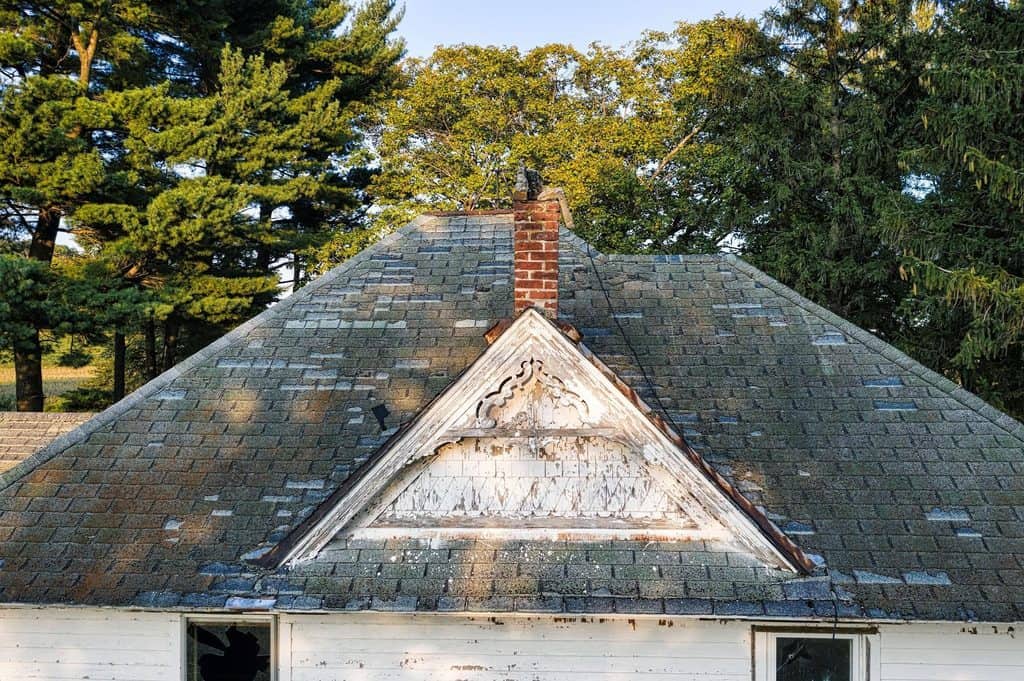
Image source: https://www.pexels.com/photo/house-with-roof-tiles-near-trees-10320600/
Unexplained Drafts and Sudden Air Leakage
Drafts drifting down from upper levels suggest hidden structural issues above your living areas. Air moving freely through attic spaces usually means roof decking materials have shifted or separated. Unwanted airflow indicates that exterior barriers are no longer fully intact.
In Vancouver, Washington, cold and windy weather can make small gaps near the roofline more noticeable during winter. A trusted Vancouver roofing company may be called in when damaged shingles, flashing, or other roofing components need to be inspected and repaired. Addressing these openings can also reduce the chances of outside elements or wildlife finding their way into the attic.
Cold winds pushing into top levels indicate warm interior air escapes rapidly through the ceiling. Fixing loose plywood panels or compromised insulation keeps indoor temperatures balanced. Proper sealing maintains structural strength while keeping outside elements where they belong.
Loose Flashing and Broken Tiles
Metal flashing installed around chimneys or roof valleys lifts after seasons of heavy rainfall and high winds. Gaps along compromised flashing components create open paths directly into dark attic spaces. Loose metal edges allow pests to slip underneath protective layering.
Cracked tiles or loose shingles act as open invitations for rodents seeking warmth, food, and shelter in cold months. Small animals easily widen tile cracks using their paws to create cozy nesting areas. Unexplained drafts in upper floors signal structural gaps where materials have separated.
Inspecting tile roofs after severe weather helps identify damaged sections before animals discover them. Replacing broken tiles maintains a continuous protective barrier over wooden rafters. Timely tile maintenance prevents small cracks from expanding under physical pressure.
Gnawed Wiring and Structural Chewing
Rodents possess sharp teeth capable of biting through tough wood and building insulation. Their destructive chewing habits lead to severe property damage, including gnawed electrical wires that create fire hazards. Sharp teeth continuously cut through wood beams to widen small access points.
Finding stripped wires or plastic debris near your attic floor suggests active animal occupation. Unchecked chewing weakens ceiling framing and exposes live electrical lines to moisture. Destructive behaviors put the structural integrity of your roof framing at risk.
Common indicators of chewing near roof access points appear throughout structural spaces:
- Bare copper exposed on electrical lines
- Shredded fiberglass insulation near eaves
- Teeth marks along timber rafters
- Wood shavings gathered near roof seams
Heavy Moss Growth and Wet Roof Decking
Thick green moss growing across shingle surfaces might seem like a simple cosmetic issue. Green patches trap moisture against roofing surfaces and speed up structural wear. Retained water softens surface materials, making them easier for pests to tear apart.
Trapped dampness weakens underlying sheathing until soft spots form across the roof structure. Termite damage creates small gaps and cracks, letting moisture seep deep into structural timber. Softened wood attracts wood-boring insects that hollow out underlying support structures.
Soft wood allows larger animals to tear open structural materials to build nests. Removing moss buildup preserves underlying boards against animal invasion. Keeping roof surfaces clear helps water flow off shingles quickly during heavy rain.
Clogged Gutters and Perimeter Water Damage
Overflowing gutters prevent rainwater from draining safely away from the outer edges of your roof. Improper drainage from clogged gutters causes moisture buildup around roof edges, damaging sheathing. Trapped water sits against fascia boards for days following major storms.
Water collecting along fascia boards leads to soft timber that insects easily bore into. Wood-destroying insects hollow out damp boards, opening paths into structural overhangs. Weak fascia boards eventually fail, allowing rodents easy access into lower roof cavities.
Clearing gutter debris maintains proper water flow off the roof perimeter year-round. Clean drainage systems protect wooden framing from decay and insect entry. Regular gutter cleaning preserves the entire perimeter against moisture rot.
Unexplained Odors in Roof Cavities
Strange odors originating near upper ceilings point to hidden animal activity above your rooms. Unexplained smells around walls or roof cavities signal pest presence. Stagnant air traps scents inside tight spaces between ceiling joists.
Persistent odors stem from droppings or wet nesting materials inside structural cavities. Bad smells gradually move down into primary living areas through light fixtures or vents. Unpleasant odors grow stronger as pest populations increase inside hidden spaces.
Investigating unusual scents early helps you locate hidden entry points along exterior trim. Sealing structural gaps stops recurring animal visits and removes scent trails. Permanent fixes protect your living environment from ongoing contamination.
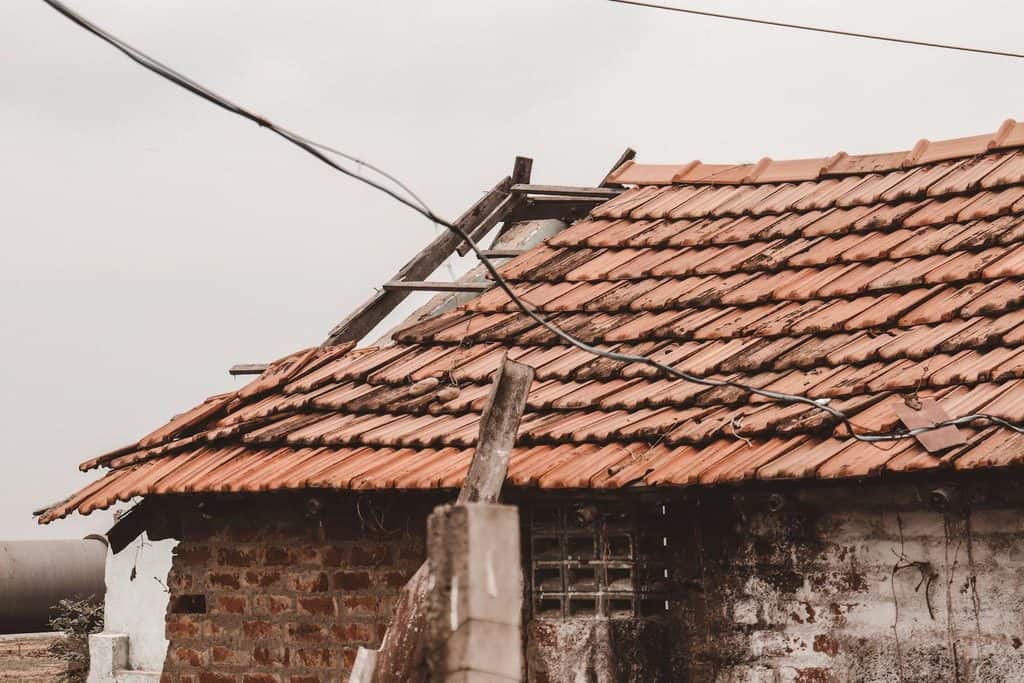
Image source: https://www.pexels.com/photo/damaged-roof-of-village-house-17596993/
Maintaining your roof’s outer layer serves as the primary barrier against pest invasion. Timely repairs close small openings before local wildlife creates permanent nests inside your attic space.
Addressing minor damage keeps structural materials strong and prevents unwanted animal entry. Regular property checks keep living spaces dry, safe, and completely pest-free year-round.