When homeowners think about pest prevention, they often focus on kitchens, basements, garages, or gardens. Food storage, standing water, and overgrown vegetation certainly play an important role in attracting unwanted visitors. However, one of the most overlooked parts of a home sits directly overhead. The roof serves as the first line of defence against the weather, but it also helps prevent birds, rodents, insects, and other pests from finding their way inside.
Many infestations begin long before homeowners notice activity indoors. Small structural weaknesses around the roof can provide hidden entry points that remain unnoticed for months, allowing pests to settle in attics, insulation, and wall cavities. By the time scratching noises, unpleasant odours, or visible damage appear, the problem may already require far more extensive repairs.
Tiny Openings Can Become Major Entry Points
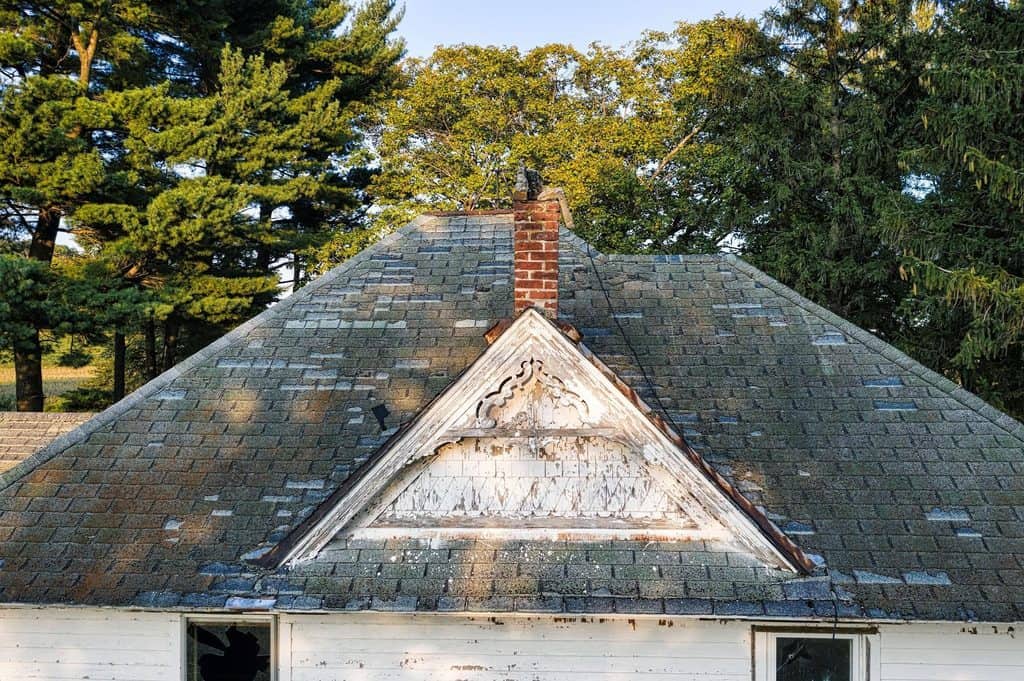
Unlike storm damage that is immediately visible, the openings used by pests are often surprisingly small. A loose section of flashing, damaged soffits, gaps around roof vents, cracked sealants, or missing shingles may be enough to provide access to insects, birds, or small mammals looking for shelter.
Once pests enter the attic, they typically remain hidden from everyday view. Birds may build nests beneath roof coverings, squirrels can chew timber and insulation, while rodents may damage wiring as they move through concealed spaces. Because attics are visited infrequently, these issues often continue developing long before homeowners realise anything is wrong.
Looking at the Roof as a Complete System
A roof does much more than keep rain outside. Every component, from flashing and ventilation to roof penetrations and exterior finishes, contributes to protecting the home from both weather and unwanted intruders.
The homeowner resources published by Roofing The Woodlands TX encourage property owners to view roofing as an interconnected system rather than a collection of separate materials. Understanding how these components work together helps homeowners recognise early signs of wear, make informed maintenance decisions, and reduce opportunities for pests to exploit vulnerable areas around the property.
This broader perspective supports the long-term performance of both residential and commercial buildings while helping prevent small exterior weaknesses from developing into larger maintenance concerns.
Moisture Creates the Perfect Environment
Roofing problems often introduce another condition that attracts pests, excess moisture. Even a slow leak inside an attic can create damp insulation, wet timber, and increased humidity, all of which provide favourable conditions for many insects.
Moisture also accelerates wood deterioration, weakens structural elements, and encourages mould growth. These changes make hidden roof spaces even more attractive to pests seeking warmth and protection. Addressing moisture issues early helps preserve the building itself while reducing conditions that encourage infestations.
Prevention Is More Effective Than Treatment
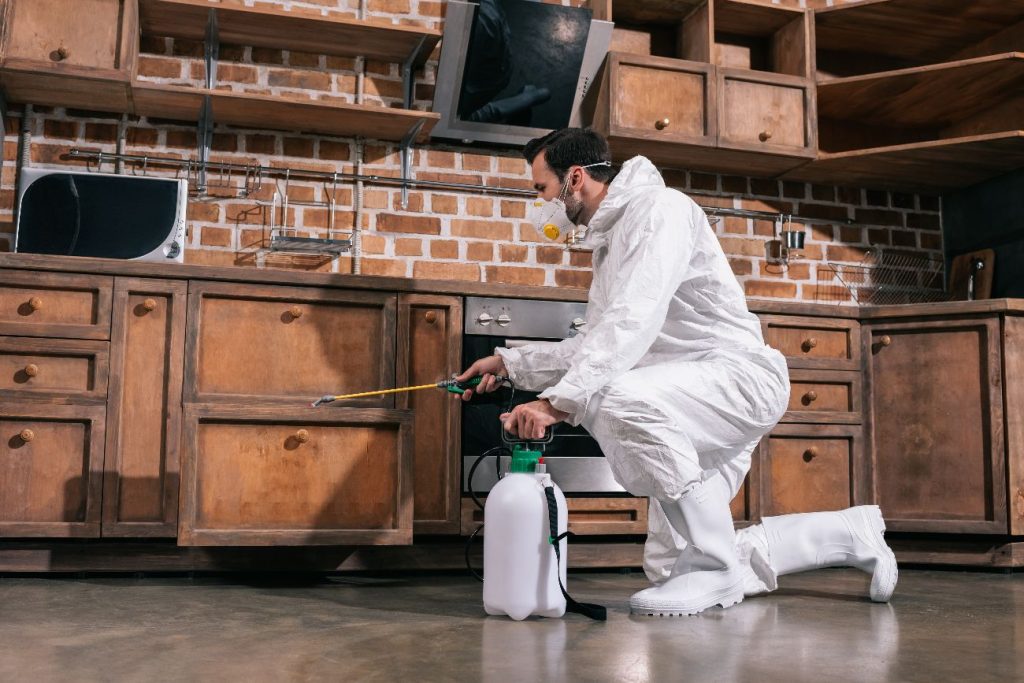
The U.S. Environmental Protection Agency (EPA) promotes Integrated Pest Management (IPM), an approach that focuses on preventing infestations by reducing the conditions pests need to survive. Instead of relying only on chemical treatments, IPM encourages homeowners to remove food sources, control moisture, improve sanitation, and eliminate potential entry points around the home.
This philosophy applies perfectly to roofing maintenance. Closing small gaps before pests enter is usually simpler, less disruptive, and more cost-effective than dealing with an established infestation hidden inside the attic or walls.
Birds and Wildlife Can Become Unexpected Guests
Roof-related pest problems are not limited to insects and rodents. Birds frequently seek sheltered locations beneath roof edges, around chimneys, or inside roof vents during nesting season. While this may seem harmless initially, nests can block airflow, trap moisture, and interfere with drainage.
In some areas, larger wildlife creates even greater challenges. Squirrels, raccoons, and other animals may lift shingles, damage fascia boards, or enlarge existing openings while searching for a safe place to nest. These problems often develop gradually, making regular exterior observations an important part of responsible home maintenance.
Seasonal Maintenance Helps Prevent Problems
Every season places different demands on a roofing system. Heavy rain can expose weaknesses around flashing, strong winds may loosen roofing materials, and changing temperatures cause expansion and contraction that gradually affects seals and joints.
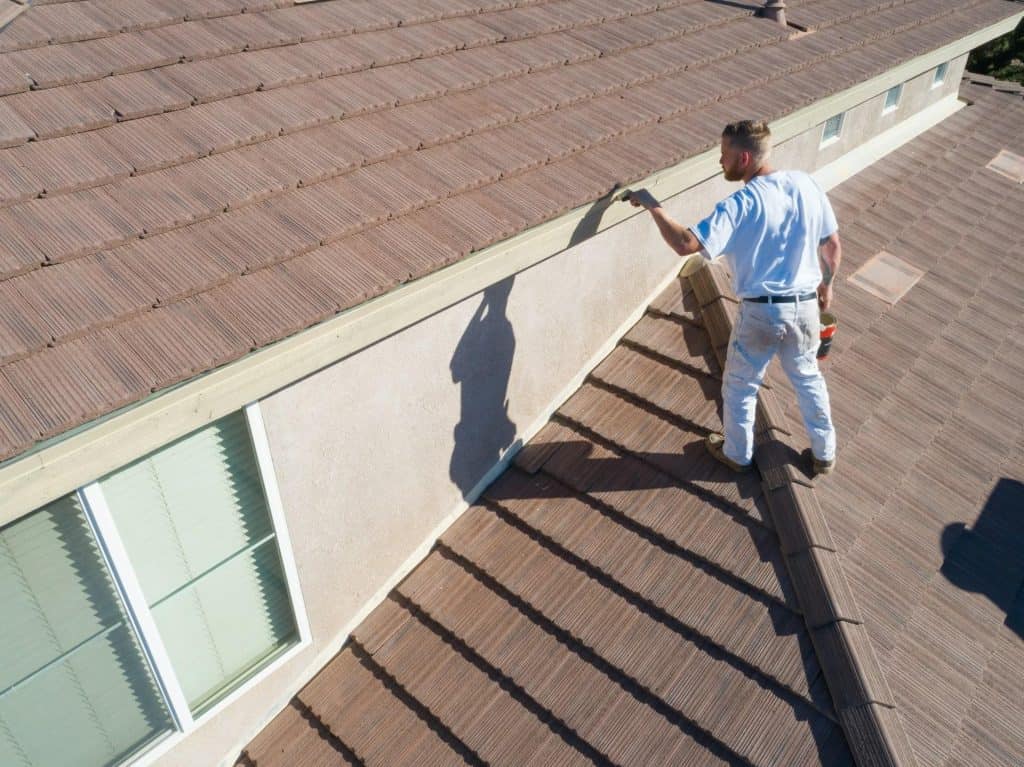
Seasonal maintenance provides an opportunity to identify these changes before they become more serious. Checking roof vents, gutters, valleys, and visible roofing materials allows homeowners to address developing issues while repairs remain relatively straightforward. It also reduces the likelihood that pests will discover new entry points created by weather-related wear.
Landscaping Plays a Bigger Role Than Many People Realise
Pest prevention extends well beyond the roof itself. Trees growing too close to the home provide convenient pathways for squirrels, rodents, and insects to reach the roofline. Falling leaves may clog gutters and trap moisture, while dense vegetation surrounding the house creates sheltered environments where pests can thrive.
Simple landscaping practices make a noticeable difference. Trimming branches away from the roof, maintaining clear gutters, and reducing excessive vegetation near exterior walls all help limit opportunities for pests to move closer to the home while also protecting roofing materials from unnecessary wear.
The Problems You Don’t See Are Often the Most Important
Most homeowners naturally pay attention to the rooms they use every day, while attics and roofs receive very little attention until something goes wrong. Unfortunately, many pest problems begin precisely because these areas are out of sight.
A small gap around a vent, deteriorating flashing, blocked ventilation, or hidden moisture may seem insignificant on its own. Together, however, these issues create conditions that allow pests to establish themselves without immediate warning signs. Regular inspections of these overlooked areas help identify potential concerns before they affect the rest of the property.
Protecting Your Home Starts at the Top
Effective pest prevention is rarely the result of a single treatment or one maintenance project. Instead, it comes from consistently reducing the opportunities that pests rely on to enter and settle inside a property.
Keeping roofing components in good condition, addressing moisture promptly, maintaining gutters, trimming nearby trees, and monitoring vulnerable areas all contribute to a healthier home. While no property can ever be completely immune to pests, a well-maintained roof significantly reduces the chances that unwanted visitors will find an easy way inside. Looking after the roof ultimately means protecting far more than shingles and flashing, it helps safeguard the comfort, safety, and long-term condition of the entire home.