A dripping ceiling creates immediate worries about stained drywall and ruined insulation. Homeowners frequently focus on the visible water damage and map out repairs for the attic or upper floors.
Water pooling in wood structures is the beacon for destructive critters. Structural home pests thrive on soft materials, turning a minor roofing issue into a massive headache. Fixing the water problem represents just half the battle when tiny invaders decide to move in.
How Roof Damage Creates Entry Points
Wind and hail compromise shingles, leaving the wooden deck underneath exposed to the elements. Those in the area can invest in experienced Lorton VA roofers who can find structural rot during routine inspections. Softened wood offers zero resistance against burrowing creatures searching for a new home. Rodents and insects squeeze through microscopic gaps that expanded from water exposure.
Once inside, they find shelter and a steady supply of structural materials to chew. Gaps in the roofline expand when wet wood warps. Small openings quickly become wide highways for unwanted guests. Regular maintenance stops these structural entry points from forming.
The Hidden Threat Of Wet Wood
Moisture ruins the structural integrity of timber framing. Water intrusion degrades wood framing, ceilings, and insulation, creating soft spaces that termites, carpenter ants, and beetles exploit. Insects prefer waterlogged materials since soft wood requires far less effort to tunnel through. Dry timber provides a tough barrier, but soggy fibers yield to tiny jaws easily.
Insulation holds liquid against the framing for weeks. Wet insulation loses its thermal properties and offers a cozy nesting site. Pests breed rapidly in these undisturbed spaces.
Why Moisture Attracts Wood-Boring Insects
Insects require humidity to survive, and leaky attics are ideal environments. High moisture levels prevent their eggs from drying out, supporting rapid colony growth. The combination of water and shelter is the perfect storm for structural damage.
Signs of an infestation appear around the dampest parts of the house. Homeowners should look for distinct indicators of structural insect activity:
- Fine sawdust is accumulating beneath exposed rafters
- Hollow-sounding timber when tapped with a tool
- Discarded wings near attic windows or vents
- Mud tubes climbing up interior walls or support beams
Catching these warning signs early saves thousands on structural repairs. Postponing an inspection allows the insects to expand their network deeper into the framing.
Structural Damage From Inner Tunnels
Soggy rafters are vulnerable to more than just fungal decay. The actual structural destruction stems from insects carving tunnels to build their communities. The pests perform the physical demolition, carving channels through support beams, and leave a thin outer shell that looks completely solid.
A compromised rafter can sag under the weight of winter snow or heavy rain. Structural failure occurs without warning when the internal wood fibers disappear. Roof repairs become more complex when structural beams require total replacement.
The Danger Of Carpenter Ants
Carpenter ants do not eat wood, but they hollow it out for nesting purposes. They prefer damp areas since excavation is easier in weakened structures. A single colony can establish multiple satellite locations throughout the attic space.
Foraging workers travel far from the main nest to find food sources. Spotting large black ants in a kitchen indicates a larger structural issue upstairs. Tracking their paths back to the roofline reveals the true source of the problem.
Rising Termite Threats In Modern Homes
Termite populations present an increasing threat to residential properties. Termite activity in 2026 will hit levels not observed in nearly ten years. Warmer weather patterns combined with rainy seasons fuel this surge in insect populations. Homes with existing roof leaks face the highest risk of colonization.
Subterranean termites travel from the soil upward into the framing. Damp roof decks allow them to establish independent colonies high above the ground. Pests multiply silently behind drywall and destroy structural stability from the inside out.
Cost Implications Of Neglected Roofs
Ignoring a small leak results in compounding expenses. Homeowners face separate bills for roofing contractors and pest exterminators when problems linger. Structural repairs exceed the cost of simple shingle replacements by thousands of dollars.
Insurance policies sometimes deny claims for pest damage if neglect caused the underlying water leak. Documenting regular roof maintenance proves proper upkeep to providers. Taking immediate action limits financial exposure. Small investments in roof maintenance prevent catastrophic structural failures.
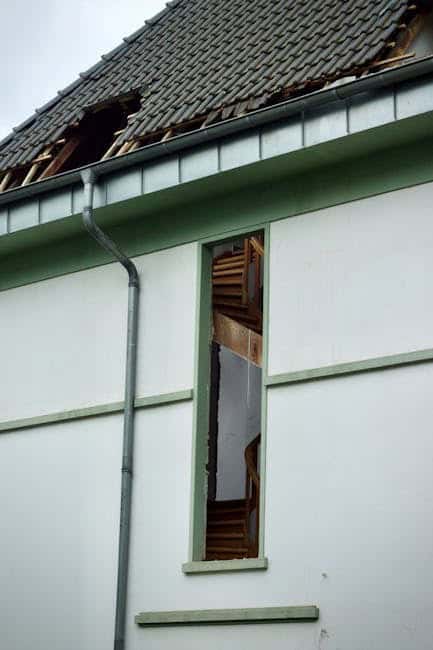
A secure roof keeps rain off the furniture and protects against a variety of structural threats. Water damage and pest invasions go hand in hand, meaning a leak is rarely just a water problem.
Addressing roofing issues early protects the framework of the house from expensive biological destruction. Homeowners must watch the roofline closely to maintain a safe, dry living space. Protecting the top of the house preserves everything underneath.