A sturdy roof keeps your home safe from harsh weather and extreme temperatures. Many homeowners check their shingles after big storms to look for leaks or cracks. They forget about another quiet danger that lives right in the neighborhood. Tiny animals can quietly destroy a roofing structure from the outside.
The Hidden Threat Above Your Head
Small critters view your home as a perfect shelter from predators and bad weather. If your glass or polycarbonate extension gets damaged by wildlife, booking a professional conservatory roof replacement service can fix the structural vulnerabilities immediately. Ignoring minor gaps gives wild animals an open invitation to build nests inside the attic spaces.
Raccoons and squirrels use their sharp claws to tear through soft wooden beams. They can easily rip apart the protective layers designed to keep water out. Once the outer barrier breaks down, heavy rain will trigger rotting throughout the interior ceilings.
Costly Damage From Tiny Wood Pests
Insects pose a massive threat to the structural integrity of your wooden support frames. Termites cause over $5 billion in property destruction annually, a figure scaling past $6.8 billion when adjusting for modern inflation. These tiny bugs chew through solid beams without making any noise.
Homeowners mistake the quiet hollow sound of damaged timbers for normal aging. Carpenter ants tunnel through wood to create pathways for their colonies. The entire support system can fail under the weight of heavy winter snow if the insects go unnoticed.
Industry Trends In Wildlife Management
Property owners worldwide face rising costs when dealing with animal infestations on their roofs. Market data reveals that the professional pest management sector reached a value of roughly $24.9 billion recently, with expectations to climb steadily by nearly 5.7 percent each year over a 5-year timeline. Massive spending highlights how common wildlife issues have become for modern buildings.
Investing in early prevention saves thousands of dollars in emergency construction fees later. Professional teams utilize specialized tools to seal entry points permanently. Taking proactive steps prevents animals from reclaiming established nesting territories.
The Danger Of Birds And Solar Panels
Modern rooftop additions can attract unwanted feathered guests looking for a safe place to sleep. A roofing publication explained that solar panels provide a highly convenient, shaded area where birds love to build their nests. The accumulated debris creates a severe fire hazard by blocking the natural airflow beneath the solar system panels.
Pigeons chew on electrical components and leave exposed wires that threaten the safety of the entire household. Corrosive waste from large flocks destroys the defensive chemical coating on asphalt shingles. Heavy rain then washes away the loosened granules, exposing the bare felt layer underneath.
How Rodents Create Entry Points
Mice and rats possess strong teeth capable of gnawing through tough building materials. They look for tiny cracks along the roofline to widen into fully accessible doorways. Once inside, they shred insulation material to line their breeding nests during cold winter months.
Ruined insulation forces your heating systems to work much harder to keep rooms warm. This extra strain drives up monthly energy bills. The chewing habits of small rodents can damage hidden electrical wiring and create fire risks inside enclosed crawlspaces.
Raccoons And Heavy External Destruction
Larger mammals can cause immediate, visible destruction and break through shingles and flashing boards with ease. Raccoons possess incredible strength in their paws and target vulnerable spots like chimneys or ventilation caps to gain quick access to dark attic spaces.
A single raccoon can destroy an entire section of protective underlayment in one evening. Water pours into the newly opened holes during the next rainstorm. Repairing the internal plaster and timber framing becomes an expensive process if the wildlife remains undetected.
Spotting The Subtle Warning Signs
Homeowners can listen for strange noises during the quiet nighttime hours. Scratching or scurrying sounds inside the ceiling indicate that creatures have already moved into the attic space. Finding droppings near the eaves is another clear sign of a growing infestation.
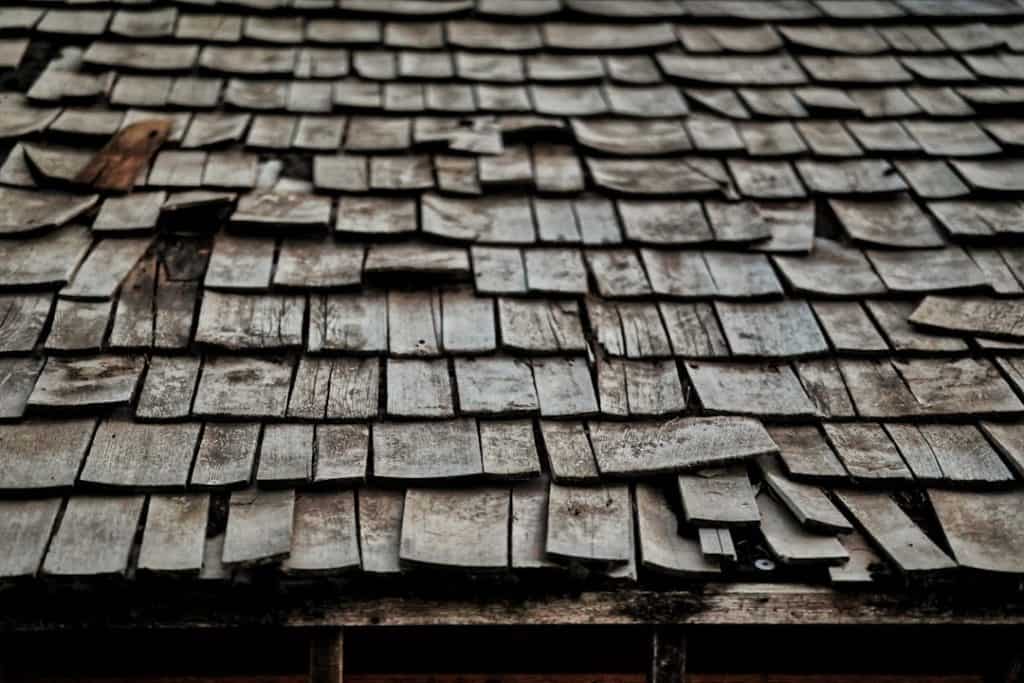
External visual checks can reveal broken pieces of clay or asphalt on the lawn below. Small piles of chewed wood near the base of the house indicate active insect boring. Address clues early to prevent extensive rot from spreading across the primary support beams.
Preventative Steps For Long-Term Protection
Defending your home requires regular maintenance checks throughout the changing seasons. Taking action early keeps wild animals away from the structural boundaries. Property owners should incorporate specific habits into their annual home care routines to avoid major structural repairs.
- Trim tree branches back at least 6 feet from the edge of the shingles
- Install heavy-duty wire mesh over all open attic vents and chimney tops
- Clean out the gutter channels regularly to remove stagnant water sources
- Inspect the flashing plates for small gaps or loose metal screws
Maintaining a secure perimeter prevents wild animals from ruining your property investment. Regular monitoring keeps the structural components intact for decades. Small adjustments to your maintenance routine provide more peace. Protecting the upper levels of your house provides a safe, dry environment for your family.