
Keeping your home safe from pests is a constant task that requires attention to detail. Many people wait for a visible problem before taking action, but prevention is usually much easier than trying to fix an infestation. Understanding how pests enter and why they stay can help you protect your property and your health.
Seal Entry Points
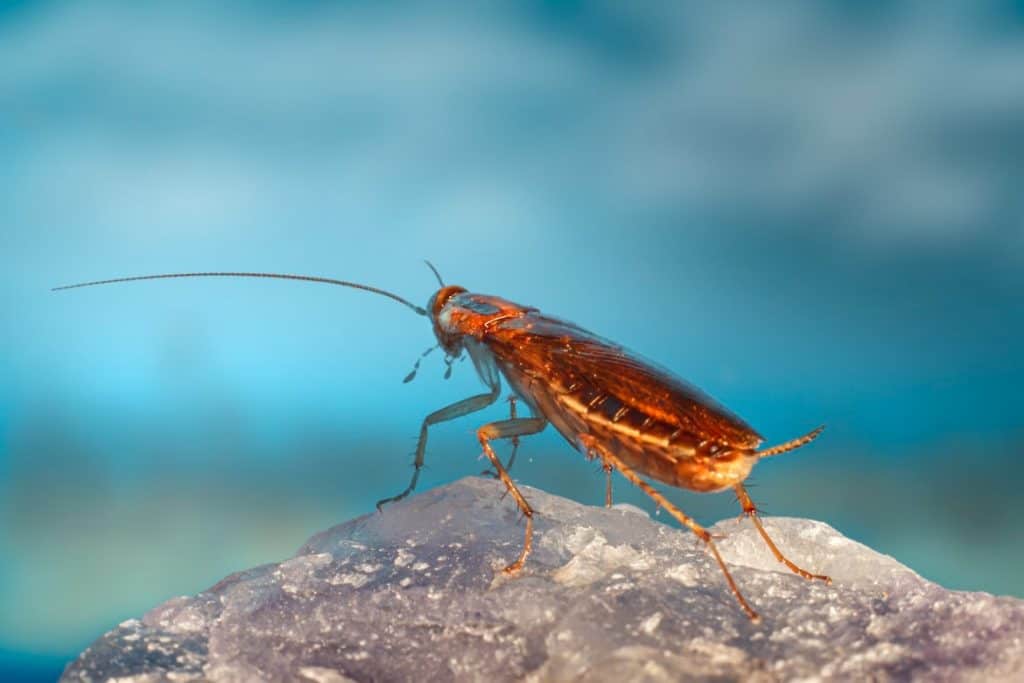
Pests of all sizes look for tiny cracks in your foundation or gaps around your windows to get inside. Small insects like ants or roaches can fit through barely visible spaces. You should check your doors for worn weatherstripping and replace it to create a tight seal. Windows should have functional screens without holes or tears.
Filling gaps in the exterior walls with caulk or expandable foam stops invaders before they settle in. It is helpful to check the spots where utility pipes enter your home. Often, these areas have gaps that serve as a direct highway for rodents and insects.
Professional Solutions For Infestations
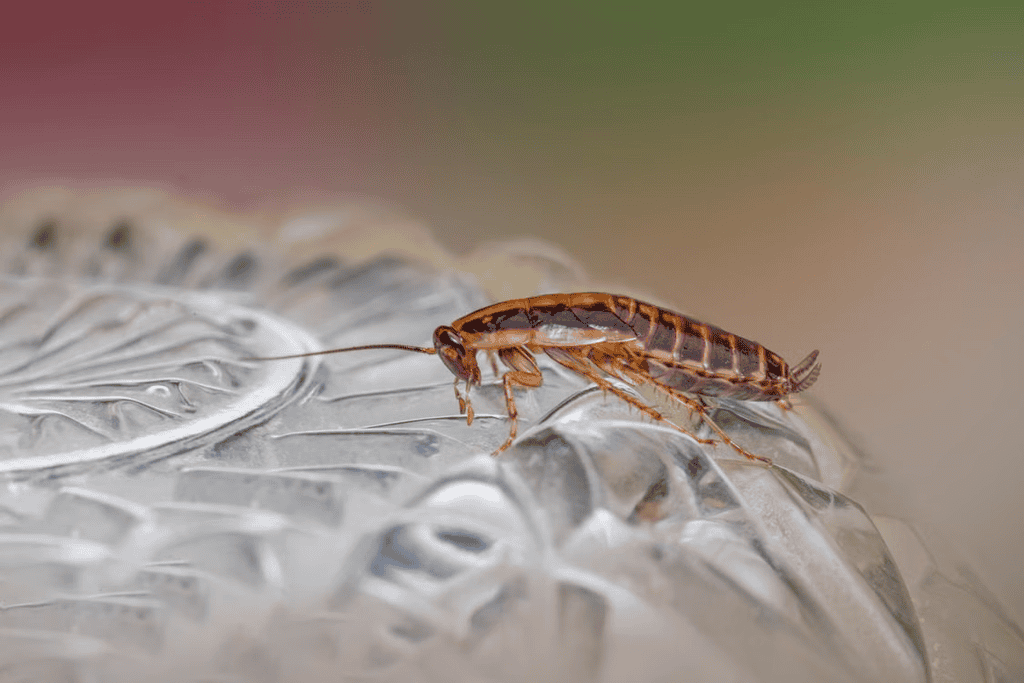
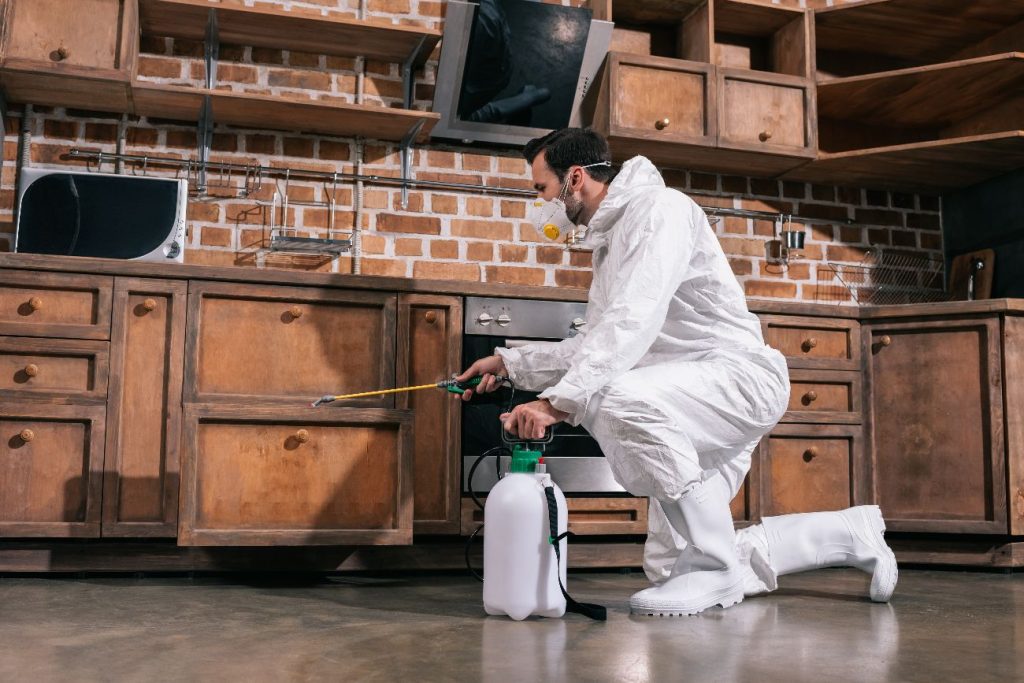
Sometimes a pest problem becomes too large for a homeowner to handle alone. Professional services use specialized tools to find the source of the trouble. If you see signs of a major issue, professionals can eliminate cockroaches and restore your peace of mind. Taking this step early prevents the population from growing out of control. Most experts suggest that you inspect your home every three months for pests to detect infestations early and prevent them from worsening.
Maintain A Clean Kitchen
Food is the main reason most pests want to live in your house. Wiping down counters every night removes the crumbs and spills that attract unwanted guests. You should store dry goods like cereal and flour in airtight plastic or glass containers. Open boxes are an invitation for pantry pests to move in and lay eggs.
Garbage is a magnet for pests like rats, cockroaches, and flies. You should use a trash can with a lid that fits tightly to block odors. Emptying the kitchen bin every day keeps the smell from drawing in flies. Frequent cleaning under the stove and fridge helps remove hidden food debris.
Manage Moisture Levels
Many common household bugs need water to survive and thrive. Leaky pipes under the sink or in the basement create a damp environment that many pests love. Fixing these drips immediately reduces the chances of attracting silverfish or centipedes.
Proper ventilation in the bathroom and crawl spaces keeps the air dry. Standing water in trays under house plants or in pet bowls should be changed often. Damp basements might require a dehumidifier to keep moisture levels low enough to discourage pests.
Outdoor Maintenance Habits
The area around your home often determines what happens inside. Keeping grass trimmed short removes hiding spots for ticks and fleas. You should store firewood piles at least 20 feet away from your exterior walls. Piles of wood or debris near the house provide a perfect home for termites and mice.
Gutters should be kept clear of leaves and sticks. Clogged gutters hold water, which creates a breeding ground for mosquitoes near your doors. Trimming tree branches so they do not touch your roof prevents squirrels and ants from crawling directly onto your home.
Understand Environmental Factors
Changes in the world around us impact how bugs behave in our neighborhoods. Climate change pest impact expands the geographical range and active seasons of pests, necessitating more robust agricultural pest protection and public health vector control. Warmer winters often mean more bugs survive until the spring.
Heat plays a big role in how fast certain populations grow. Higher infestation of cockroaches in warm conditions has created significant market opportunities for pest control services in hot and humid regions. When temperatures rise, these insects become more active and reproduce much faster.
Common Household Invaders
Certain pests are more common than others, depending on your location. Bed bugs are a frequent concern for people who travel or buy used furniture. These tiny insects are incredibly hardy and can live up to 12 months. They require specific treatments to be completely removed from mattresses and clothing.
Frequent Pest Signs
- Droppings in the back of cabinets or along baseboards.
- Small holes in clothing or food packaging.
- Musty odors that do not go away after cleaning.
- Chewed wires or insulation in the attic.
Staying ahead of pests is about creating an environment where they cannot survive. By sealing your home, managing food waste, and keeping things dry, you take away the resources they need. If a problem does start, acting quickly keeps it from spreading. A little effort every week goes a long way in protecting your living space from unwanted visitors.