
A damp home is more than just a smelly problem. Water in the walls or under the floor creates a perfect spot for pests and mold.
These two issues often go hand in hand. If you see bugs, you might soon see dark spots on your walls. Understanding how these links work helps you keep your living space safe and clean for your family.
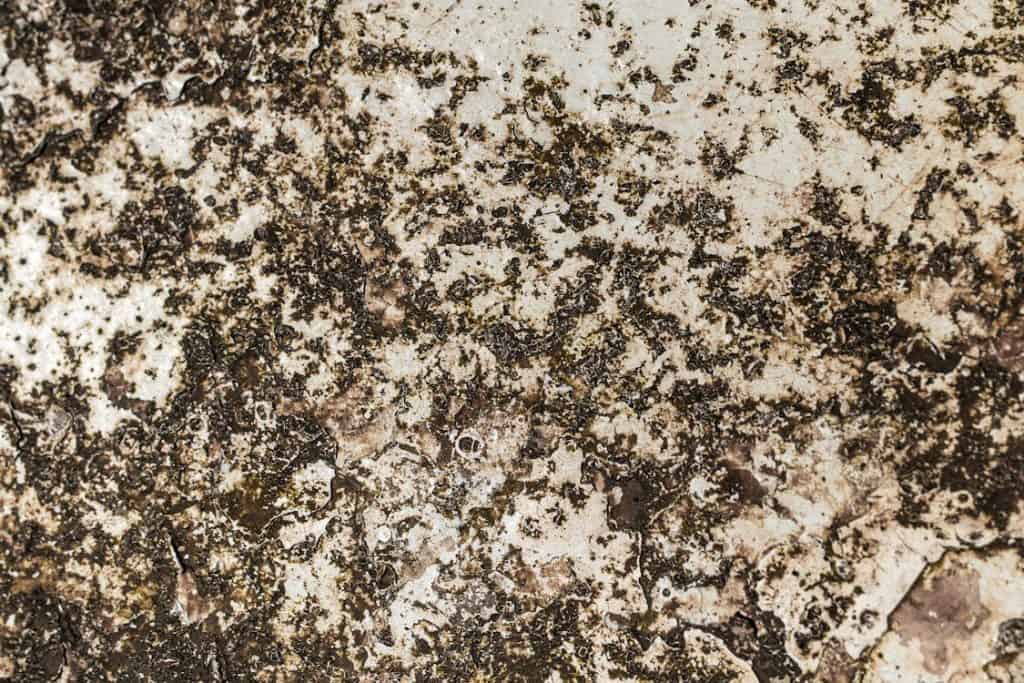
Understanding The Connection Between Dampness And Pests
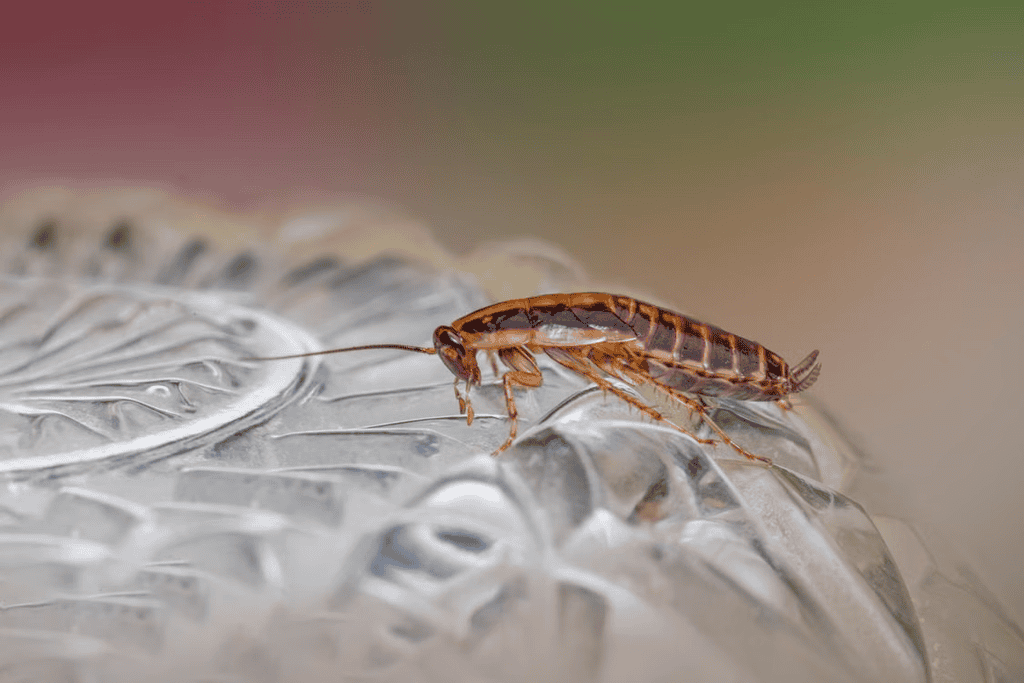
Water attracts bugs that need a drink to survive. Roaches and ants find wet spots behind your kitchen cabinets very quickly. They stay in these areas as they offer both water and shelter.
Bugs often leave behind waste that makes mold growth even worse. This cycle continues as long as the water is present. You might notice more bugs in the summer when the air is thick and heavy – this is a sign of high humidity.
- Silverfish love paper and high humidity.
- Dust mites grow faster when the air is heavy with water.
- Termites prefer wood that stays wet for a long time.
Pests leave behind droppings that trap more water in the air. Cockroaches find wet insulation very cozy for building their nests.
Why Mold Thrives In Water-Damaged Areas
Leaks often hide in dark places where you cannot see them. Many homeowners benefit from getting local mold testing done by professionals when they suspect hidden leaks behind drywall or under floors. These experts use special tools to find water before it turns into a major disaster.
Darkness and water are the two main things mold needs to grow. It can start growing on wood or paper in less than 48 hours. Once it starts, it spreads through the air using tiny spores.
Fungi eat the materials your house is made of. This weakens the structure of your walls and floors over time. Keeping surfaces dry is the only way to stop this damage from happening.
Health Risks Linked To Indoor Fungal Growth
Mold spores float in the air and get into your nose and lungs. A medical journal reported that 93% of chronic sinus infections come from mold exposure.
Your immune system tries to fight off these tiny invaders. This fight often leads to sneezing, coughing, or itchy eyes. Some people feel tired all the time when they live in a moldy house.
Staying in a wet house for years can lead to long-term issues. Children and seniors are often the first to show signs of sickness.
The Hidden Impact On Mental Well-Being
Living in a damp home can weigh on your mind as much as your body. A recent scoping review mentioned that damp environments change psychological outcomes for people living there. Worrying about your health and your house creates a lot of stress.
This stress can make it hard to sleep or focus on work. Constant worry about repairs and costs drains your energy.
Families often argue more when their living space is in bad shape. A clean and dry home helps everyone feel more relaxed. Taking care of your house is a way to take care of your mind.
Controlling Water to Prevent Infestations
Keeping your home dry is the top way to stop mold from starting. Government health experts stated that the single best method for stopping mold is managing the dampness levels inside the building. You should fix drips and spills within 24 hours to stay safe.
Using a dehumidifier helps pull water out of the air. This makes the room less inviting for bugs and fungi. You should aim to keep your humidity below 50% all year.
Check your pipes under the sink at least once a month. Small drips are easy to fix before they rot the wood. Keeping the air moving with fans is another great way to stay dry.
Signs Of A Hidden Water Problem
You might smell a musty odor before you see any mold. This scent is a sign that fungi are growing somewhere out of sight. Trust your nose when you walk into a basement or bathroom.
Peeling paint or wallpaper is another red flag to watch for. Water pushes against the back of the paint and makes it bubble. If you see this, there is likely a leak behind the wall.
Check your attic for dark stains on the wood beams. These stains often show where a roof leak is letting water in. You might see these spots only after a heavy rainstorm.
Wood that feels soft or looks dark is a sign of rot. This happens after water sits on the surface for a long time. You should check your windows for water drops during the winter months.
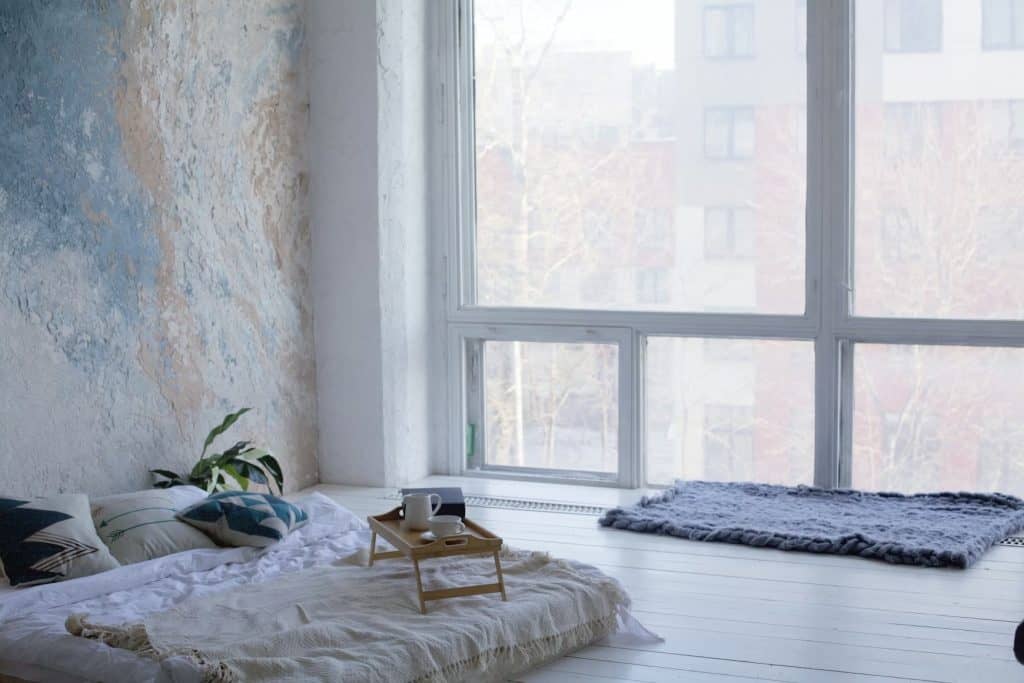
Professional Advice For Maintaining A Dry Home
Cleaning your gutters twice a year keeps water away from your walls. If gutters get clogged, rain flows right into your crawlspace. Make sure your dryer vent blows air all the way outside. If it leaks inside, your laundry room will become very humid.
Keep your furniture a few inches away from external walls. This allows air to flow behind your couch or bed. Better air flow stops water from getting trapped in dark corners.
Checking your crawlspace or basement for damp soil is smart. You can use a plastic cover to stop groundwater from rising up.
Protecting your home from dampness is a daily job. Watching for bugs and weird smells keeps you ahead of the game.
A dry house stays strong and keeps your family healthy for years. When you take small steps now, you avoid big repairs later on. Enjoy the peace of mind that comes with a clean and dry living space.