
One of the most devastating pests that can attack a house is termites. They primarily feed on wood and other cellulose-based materials, making residential structures particularly vulnerable to these pests. One of the biggest challenges with termites is that they are silent pests that often go unnoticed for long periods. Consequently, most homeowners fail to detect them until after they have caused noticeable damage.
Nevertheless, termites tend to leave some warning signs as they move through the building to seek food. These early signs help to identify them and allow homeowners to act promptly and mitigate possible infestations before structural damage occurs.
The following are some of the most common signs of termite damage. Understanding these signs would allow homeowners to detect potential termite infestation and act promptly in case an issue arises.
1. Mud Tubes on Walls, Foundations, or Crawl Spaces
Mud tubes are one of the most common signs of termite damage. These are very tiny, pencil-sized tunnels, usually found at foundation walls, crawl spaces, and basement surfaces. They are constructed by subterranean termites using soil, wood particles, and saliva to ensure that they can travel safely between their ground colony and the wood found in a home.
Furthermore, warm conditions and seasonal dampness may provide pleasant grounds for termites in numerous coastal and temperate areas. For example, regions like Long Island experience periods of moisture, which could favor termite survival and movement around residential buildings.
This is why homeowners who observe mud tubes should take immediate action. Consulting experienced termite exterminators on Long Island can help confirm termite activity and assess the extent of the damage.
2. Hollow or Damaged Wood Structures
The other typical sign of the presence of termites is the wood that sounds hollow when tapped. Termites attack from the inside out, meaning the surface might look intact, yet the internal structure is being slowly destroyed. Since the process occurs behind the surface, infestations can take a long time before they are detected.
As the termites keep feeding, the wood gradually becomes weaker and thinner. Homeowners can see that some parts of the wooden space are soft or weak to the touch. Besides that, beams, floors, and wood frames can start to lose their strength as termites corrode the inner layers of wood.
With time, such invisible damage may impact the stability of the key structural elements. Floors can start to sink, and door frames can lose their shape. Thus, hollow-sounding wood must be examined in a timely manner without delay.
3. Discarded Wings Near Windows and Doors
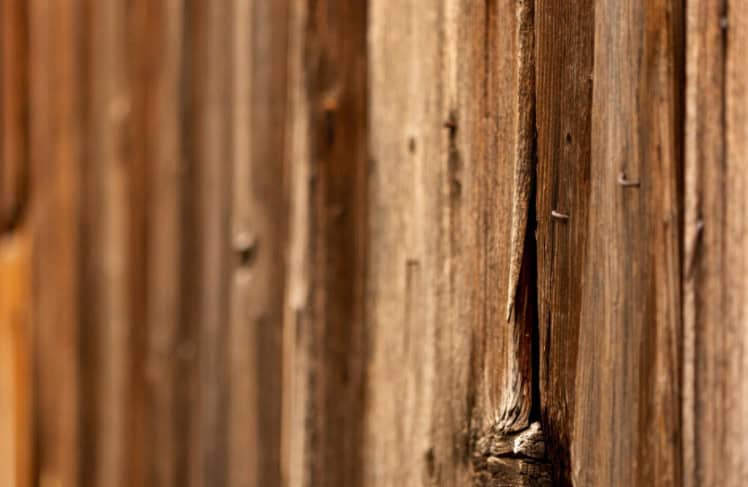
Discarded wings are another significant indicator of termite activity. During specific seasons of the year, the termites swarm as the reproductive termites abandon their colony to form new ones. In the process, they lose their wings as they seek a suitable location to rest.
Consequently, small heaps of fragile wings can be located by homeowners around windowsills, doors, or sources of light. These wings are similar in shape and size, and they are often found in clusters. Since swarmers are drawn to light, they can be found in large numbers surrounding windows or artificial lights before shedding their wings.
Additionally, the presence of such wings inside the house suggests that termites have already invaded the house or are trying to create a colony close by. Hence, when homeowners observe piles of wings, it must alert them to look more deeply and think of a professional inspection.
4. Termite Droppings Near Wooden Areas
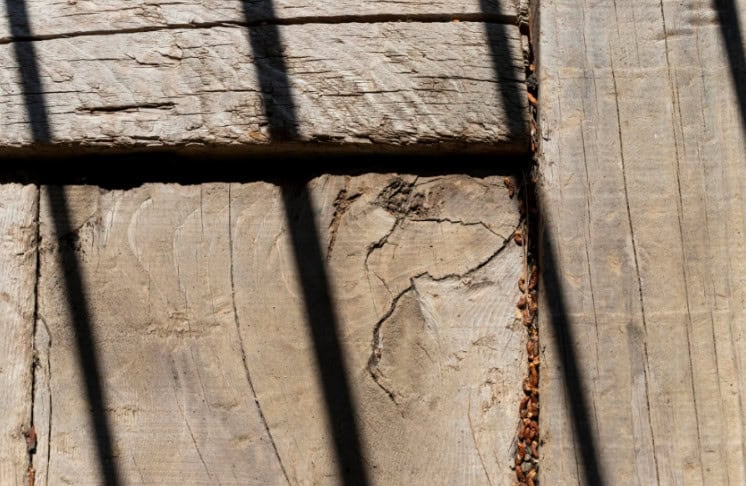
In the case of drywood termites, another clear warning sign is the presence of termite droppings, commonly known as frass. These droppings appear as tiny pellets that often resemble sawdust or small grains. However, unlike ordinary wood dust, termite frass usually forms small piles near damaged wood.
Typically, these pellets are pushed out through tiny openings created by termites in wooden surfaces. As the insects continue feeding inside the wood, the droppings gradually accumulate below the affected area. For this reason, homeowners may notice small piles near baseboards, wooden furniture, or window frames.
Furthermore, the appearance of frass indicates that termites are actively living inside the wood. Because this activity can continue for long periods without being noticed, finding termite droppings should always be treated as a serious warning sign.
5. Clicking or Rustling Sounds Inside Walls
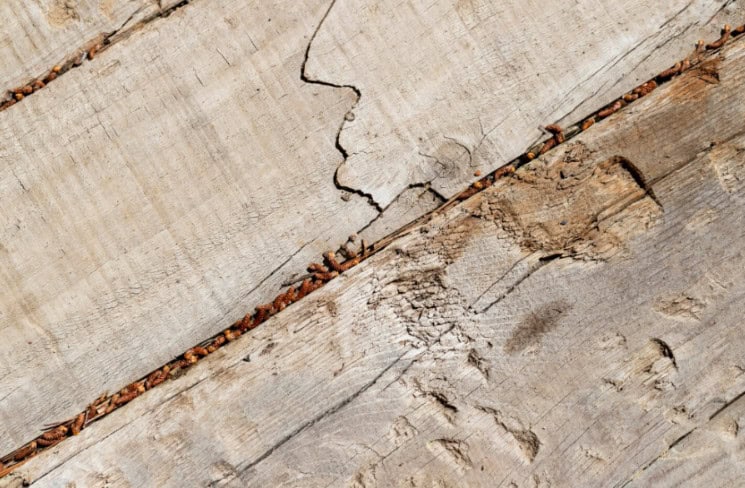
Although termites are usually quiet, large infestations can sometimes produce faint noises inside walls or wooden structures. Homeowners may occasionally hear soft clicking or rustling sounds, especially in quiet areas of the house. These sounds may become more noticeable at night when the environment is silent.
Interestingly, the clicking sound is often produced by soldier termites. When the colony feels threatened or disturbed, these termites tap or bang their heads against the walls of their tunnels. This action helps signal danger to other members of the colony.
Meanwhile, worker termites create rustling noises as they chew through wood and build tunnels. Although these sounds are subtle, they can indicate significant termite activity within the structure. Therefore, unusual noises inside walls should never be ignored.
Conclusion
Termites can remain hidden for long periods, yet the damage they cause can gradually affect the safety and value of a home. Therefore, paying attention to early warning signs and unusual changes around wooden structures is essential for protecting your property.
Acting quickly when something seems unusual can make a significant difference. Timely inspections and professional evaluation help identify problems early, allowing homeowners to address termite activity before it leads to extensive and costly structural damage.