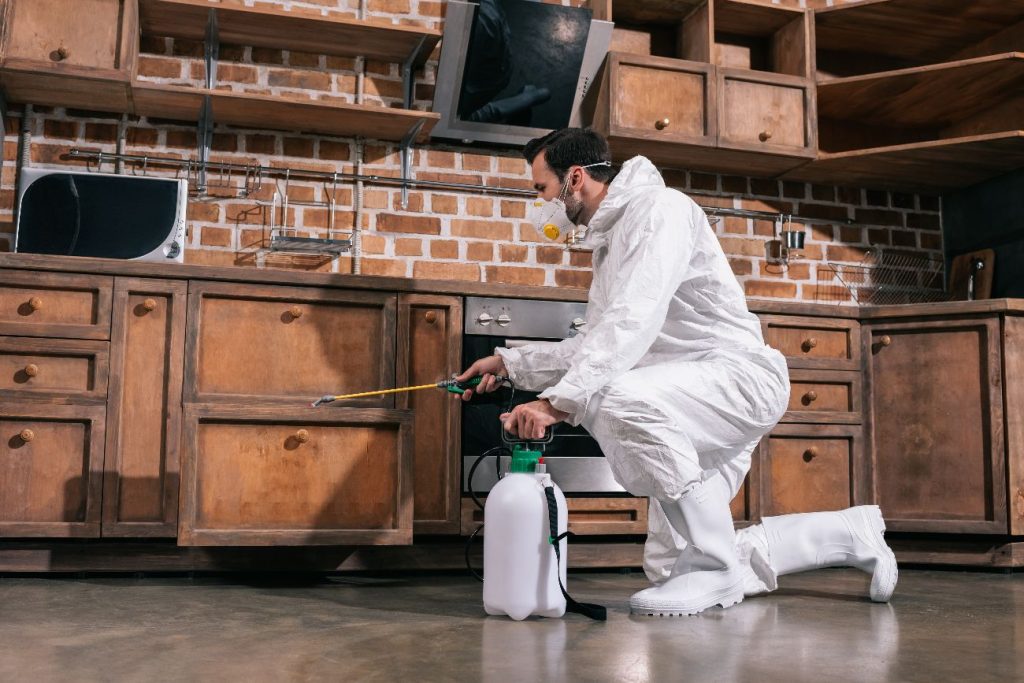
When people think about pest control, they often imagine traps, sprays, and professional extermination services. While these tools are sometimes necessary, one of the most effective pest prevention strategies is much simpler: maintaining a clean home environment.
Pests are attracted to food residue, moisture, and hidden spaces where they can live undisturbed. Floors, especially in kitchens, bathrooms, and entryways, can become ideal environments for insects and rodents if they are not cleaned properly.
Understanding how clean floors and pest prevention can help homeowners prevent infestations before they begin.
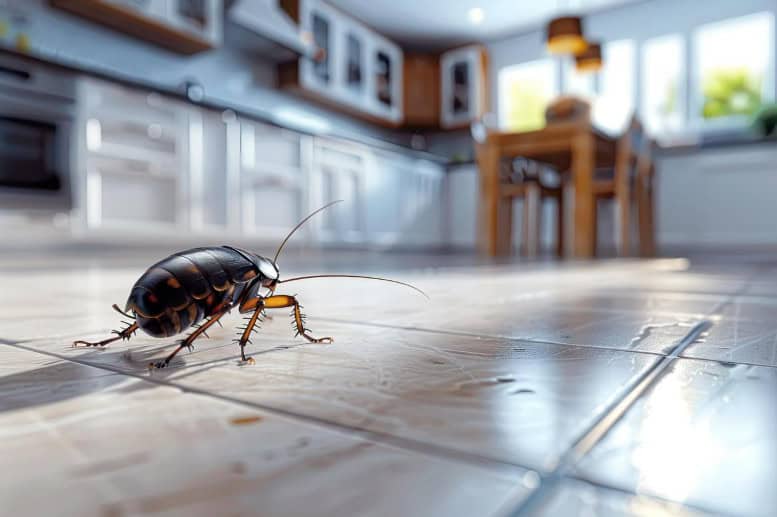
Why Clean Floors Matter in Pest Control
Floors are the foundation of any living space, but they are also one of the most overlooked areas in pest prevention.
Crumbs, spills, grease, and organic debris often settle on the ground where they may go unnoticed. Over time, these materials accumulate in cracks, grout lines, and corners.
For pests, this creates a reliable food source.
Ants, cockroaches, and even rodents are highly skilled at detecting small amounts of food. A few unnoticed crumbs behind a refrigerator or beneath a kitchen cabinet can be enough to attract pests.
Once pests identify a consistent food source, they often establish nesting areas nearby.
Maintaining clean floors reduces the likelihood that pests will find the resources they need to survive.
Kitchens: The Highest Risk Area
Kitchens are one of the most common locations for pest activity. Food preparation naturally produces crumbs, grease, and liquid spills that can accumulate throughout the day.
Tile flooring in kitchens is particularly vulnerable because dirt and residue can settle into grout lines.
Even regular mopping may not fully remove buildup from these small crevices. Over time, trapped organic matter can become an attractive feeding source for insects.
Deep cleaning methods are often necessary to remove stubborn grime from grout and textured flooring surfaces. Professional cleaning guides and equipment reviews, such as those published by SweepScrub, highlight the types of machines designed to thoroughly clean tile surfaces and grout lines where pests commonly find food residue.
By eliminating these hidden food sources, homeowners can significantly reduce pest attraction in the kitchen.
Bathrooms: Moisture and Hidden Debris
Bathrooms present a different set of pest risks. While food sources may be less common, moisture levels tend to be higher.
Many insects thrive in damp environments. Silverfish, drain flies, and certain types of cockroaches are particularly attracted to areas with consistent humidity.
Grout lines, floor corners, and areas around sinks and toilets can trap moisture and soap residue, creating small pockets where pests may gather.
Regular cleaning combined with proper ventilation helps reduce these conditions.
When floors remain dry and free of buildup, pests are less likely to find suitable habitats.
Entryways and Mudrooms
Entryways often serve as the first point of contact between outdoor environments and indoor living spaces.
Shoes track in dirt, organic debris, and sometimes food particles. During wet weather, mud and moisture may accumulate in these areas.
If floors are not cleaned frequently, pests can be introduced into the home through these entry points.
Ants and spiders often follow pathways created by dirt and debris brought in from outside. Keeping entryway floors clean helps remove these trails and reduces the likelihood that insects will move deeper into the home.
The Importance of Deep Cleaning
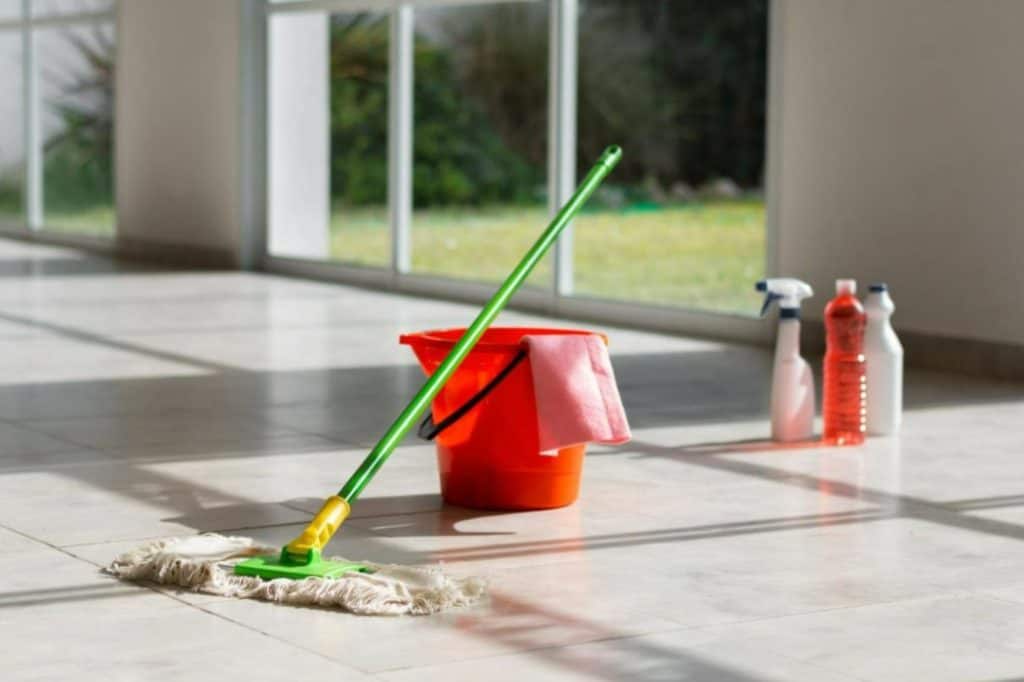
Routine sweeping and mopping are essential for maintaining general cleanliness, but they may not always reach the hidden areas where pests thrive.
Deep cleaning involves targeting spaces that are often overlooked, including:
- Grout lines between tiles
- Edges along walls and cabinets
- Areas beneath appliances
- Floor corners and cracks
By addressing these locations, homeowners remove food particles and organic material that pests depend on.
According to the United States Environmental Protection Agency, sanitation and environmental management are among the most effective long-term pest prevention strategies.
When pests cannot access food, water, or shelter, they are far less likely to establish infestations.
Cleaning Tools That Improve Pest Prevention
Technology has improved significantly in the cleaning industry, making deep floor cleaning more accessible for homeowners.
Modern machines can scrub grout lines, remove sticky residue, and extract dirt that traditional mops may leave behind.
These tools are particularly helpful in high-risk areas like kitchens and bathrooms where buildup can accumulate quickly.
By incorporating more effective cleaning equipment into regular maintenance routines, homeowners can maintain cleaner floors while reducing the time required for manual scrubbing.
This approach supports both hygiene and pest prevention.
Additional Pest Prevention Habits
Floor cleanliness works best when combined with other good housekeeping practices.
Some additional habits that help prevent pests include:
- Sealing cracks and gaps where insects may enter
- Storing food in sealed containers
- Removing trash regularly
- Fixing plumbing leaks that create moisture
- Keeping pet food areas clean
These steps create an environment where pests struggle to find the resources they need.
A Proactive Approach to Pest Control
One of the biggest misconceptions about pest control is that it begins only after pests appear.
In reality, the most effective pest management strategies focus on prevention. By eliminating the conditions that attract insects and rodents, homeowners reduce the likelihood of infestations altogether.
Clean floors play a surprisingly important role in this process.
When kitchens, bathrooms, and entryways are regularly deep cleaned, food residue and moisture buildup are removed before pests have the chance to exploit them.
Creating a Healthier Home Environment
Clean floors and pest prevention are not just about avoiding insects or rodents. It also contributes to a healthier living environment overall.
Cleaner floors reduce bacteria, allergens, and unpleasant odors while improving the appearance and comfort of the home.
By viewing cleaning as part of a broader pest management strategy, homeowners can protect their property while maintaining a more hygienic space.
In many cases, the simplest solutions, consistent cleaning, proper maintenance, and attention to overlooked areas, are the most effective.
Preventing pests does not always require complex treatments. Sometimes, it starts with something as straightforward as keeping the floors truly clean.