Why an Indoor Dog Changes Your Pest Plan
The first question in choosing among the best guard dogs for families is whether the dog will be safe with your children. The next one is whether your house and yard will be safe for the dog.
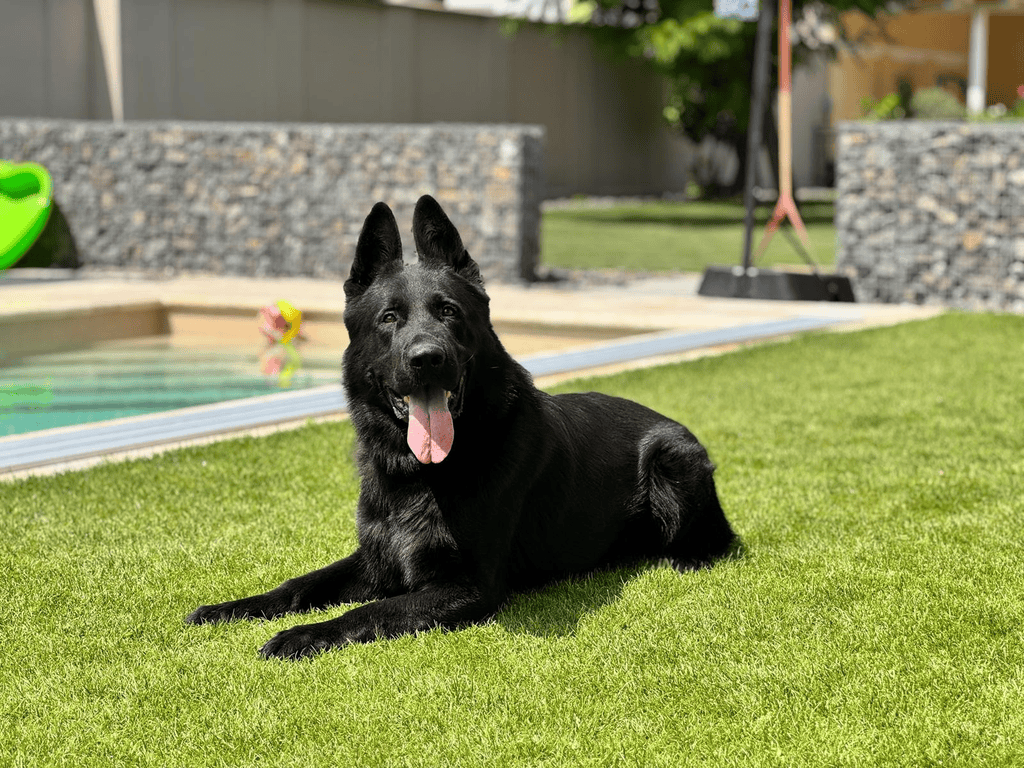
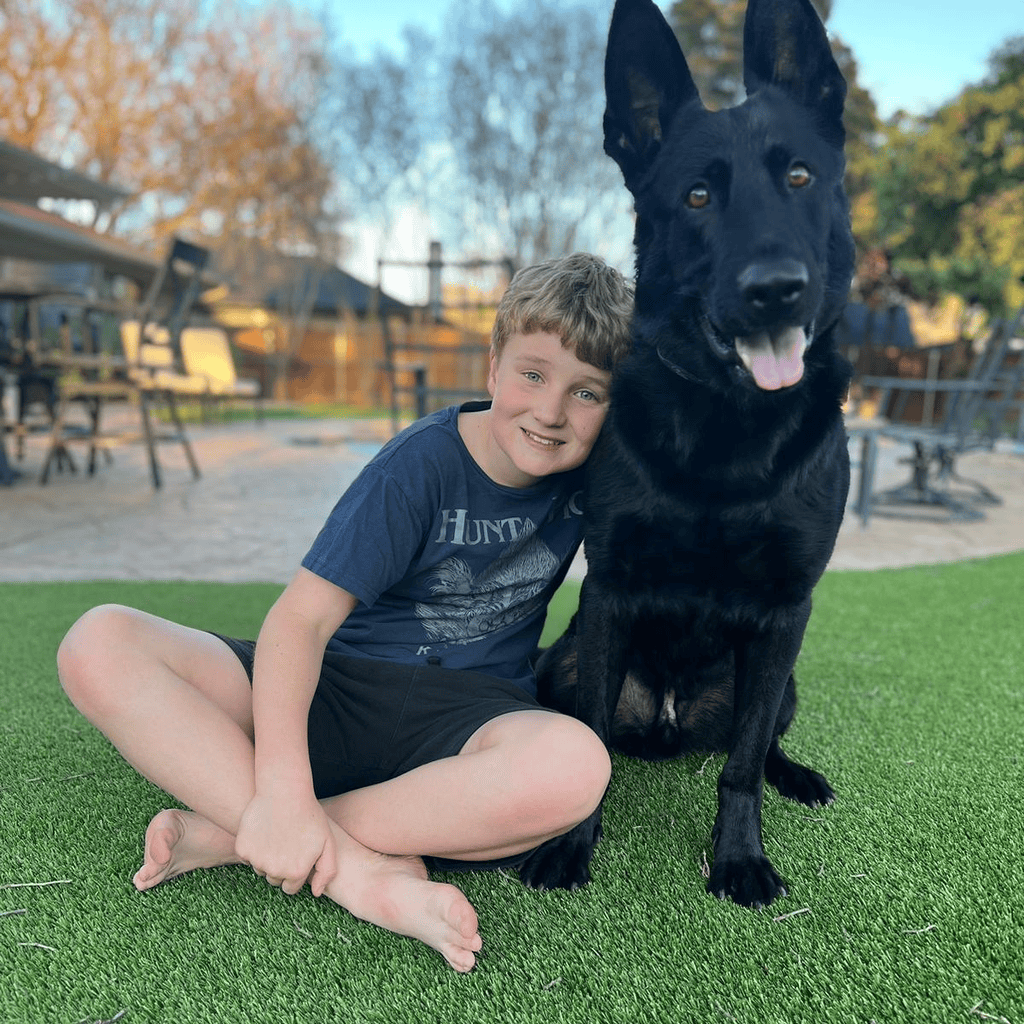
Slovak Protection Dogs USA prepares its German Shepherds at a training center in Hlohovec, in western Slovakia, and places them with families across the United States. The company says its dogs live indoors with the household. A dog that lives that way follows your children into the garage, the shed and every corner of the garden, so check everything within reach of a curious nose there.
A new dog learns your yard with its nose long before it learns your rules. Within days it will know where the bait station sits behind the garage, which bag in the shed smells of bone meal and where something has been digging under the fence. Many of the things that make a yard dangerous for a dog are the products you use to keep pests out of it. Set aside a few hours to deal with them before delivery day.
Photo: Slovak Protection Dogs
Start With the Rodent Bait
Rodent bait is among the poisons veterinarians see most often in dogs, and it is made to be eaten. The products sold for home use work in different ways. Anticoagulant baits stop the blood from clotting, and a dog can seem fine for several days before it starts to bleed internally. Bromethalin attacks the nervous system and has no antidote. Cholecalciferol, a form of vitamin D, can shut down the kidneys. If you know or suspect the dog ate bait, call your veterinarian or a poison control line right away, even if it seems fine.
Before the dog arrives:
- Find every bait station on the property, indoors and out. If a pest control company placed them, ask for a map.
- Ask whoever placed the stations to move them where the dog cannot reach, or to replace them with locked, tamper-resistant stations fixed in place.
- Photograph the label of every product you use. If the dog eats bait, the veterinarian needs the active ingredient, and the brand name alone will not tell them.
Think about the rodents too. A mouse that has eaten bait can wander into the yard before it dies, and a dog that catches it may swallow some of the poison with it. While bait is in use, check the yard for dead rodents before you let the dog out, and dispose of any you find right away.
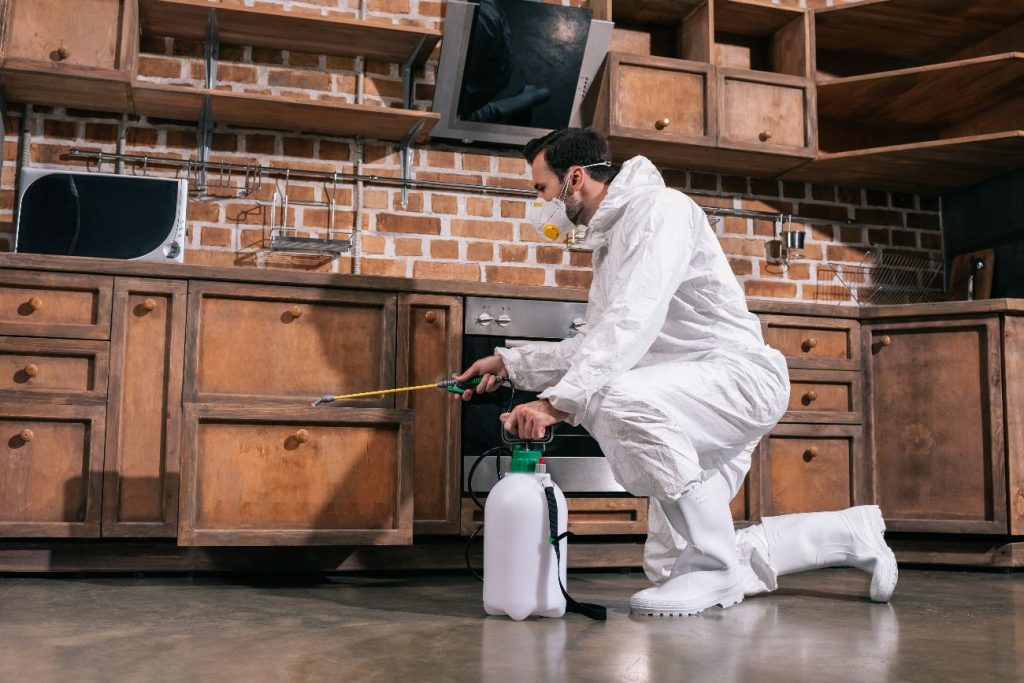
Call Your Pest Control Company Before Delivery Day
If a company services your home, call before the dog arrives. Tell them a large dog will live in the house and use the yard every day, and ask:
- Which products do you use inside, around the foundation and on the lawn?
- Where are the bait stations, and how are they secured?
- How long should the dog stay off treated areas after each visit?
Keep the answers with the dog’s records. Ask the company to call ahead before every visit, so someone can put the dog in a closed room or take it out on a leash while the technician works. Your lawn service belongs on the same call list. Many lawn products tell you on the label to keep pets off the grass until the treatment has dried. Follow the label exactly, and make sure whoever lets the dog out on treatment day knows about it.
Photo: Slovak Protection Dogs
Clear Out the Shed and the Garage
Garden sheds and garages hold some of the worst things a dog can find. Go through them shelf by shelf:
- Slug and snail bait. Products containing metaldehyde can cause tremors and seizures within hours of being eaten. If you need slug control, ask your garden center about baits based on iron phosphate, and still keep the dog out of treated beds.
- Bone meal and blood meal. Dogs love the smell, and a dog that eats a large amount of bone meal can develop a blockage in its stomach. Store opened bags in closed bins on a high shelf.
- Cocoa bean mulch. It is made from cocoa bean shells, so it smells like chocolate and contains theobromine and caffeine, the same compounds that make chocolate toxic to dogs. Choose a different mulch for any bed the dog can reach.
- Antifreeze. Ethylene glycol tastes sweet, and a small amount can cause kidney failure. Wipe up drips under the car and keep containers closed and off the floor.
- Compost. Moldy food in an open pile can make a dog seriously ill. Switch to a closed bin with a lid that latches.
Take Away What Draws Rodents to the Yard
Fewer mice and rats mean less bait to worry about. Walk the property at a dog’s height and look for what feeds and shelters them:
- Bird feeders and fallen seed. Hang feeders away from the fence and sweep up underneath.
- Dog food and water bowls left outside. Feed the dog indoors and bring the water bowl in at night.
- Woodpiles and brush heaps. Stack firewood off the ground and away from the house.
- Trash and recycling bins. Use bins with lids that close tightly.
While you are walking, check the base of the fence. Fresh burrows and soft soil show you where animals get in, and a dog that smells them may start digging in the same place.
Plan for Fleas and Ticks
Ask the trainer which flea and tick product the dog is on now and when it was last given. Then ask your veterinarian what suits your area, so protection continues without a gap or a double dose. Use only products labeled for dogs, at the dose for your dog’s weight.
Keep lawn edges mowed short. Check the dog for ticks every day it spends time outdoors: in and around the ears, around the eyelids, under the collar and the front legs, between the back legs and the toes, and around the tail.
Keep the Emergency Numbers Where Everyone Can Find Them
Save two numbers in every adult’s phone and on the refrigerator: your veterinarian and the nearest 24-hour emergency clinic. The ASPCA Animal Poison Control Center (888-426-4435) and the Pet Poison Helpline (855-764-7661) both answer 24 hours a day, and both may charge a consultation fee.
If you think the dog has swallowed something toxic, call before you try to make it vomit, and have the product label in your hand. Walk through these steps with everyone who looks after the dog while you are away, and keep the product labels together where they can find them.