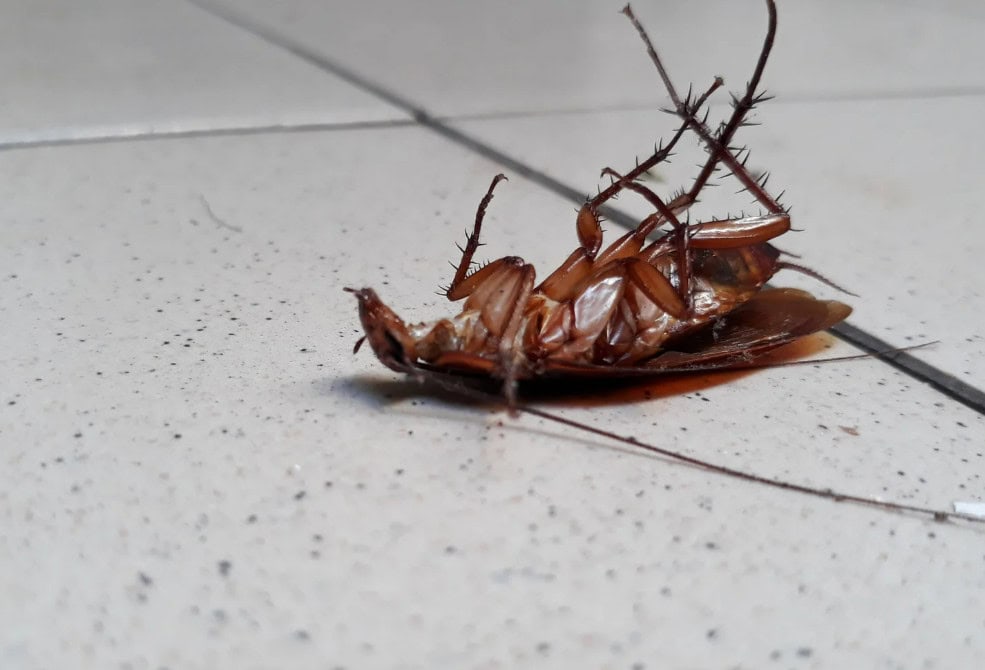

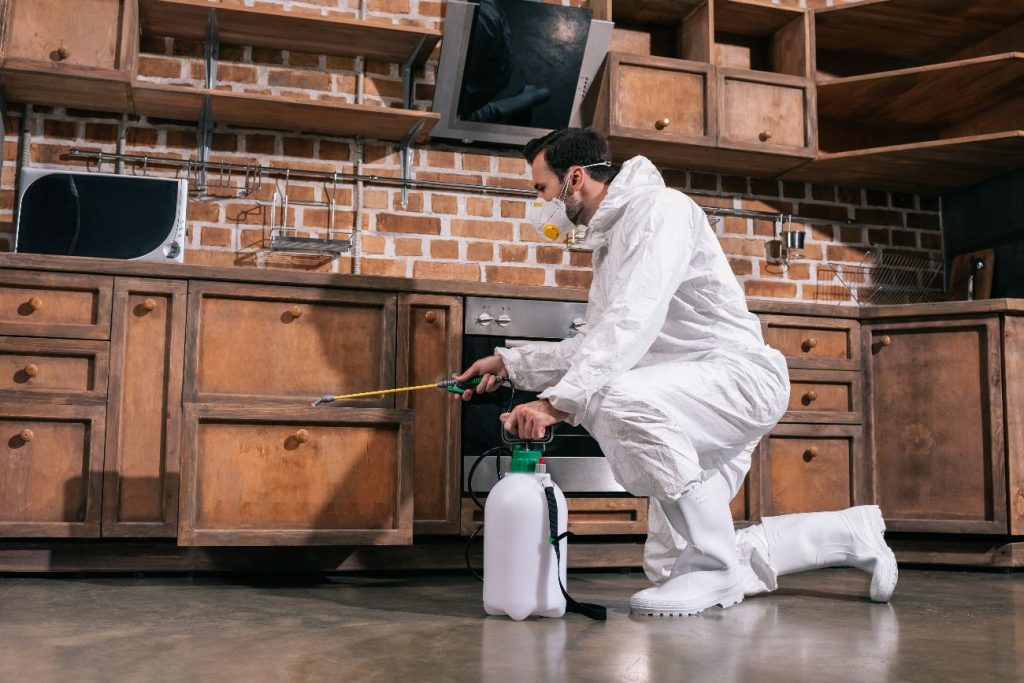
A few ants on the counter can feel like a full-blown invasion. Then you look at the Dutch, who share a small, wet country with rodents that tunnel into the dikes keeping the sea and rivers out.
In the Netherlands, pest control is not only a household chore. It is part of keeping the country dry, and the Dutch have learned a few lessons along the way that any homeowner can use.
The Rodent That Digs Into the Flood Defenses
Meet the muskrat. It is not native to the Netherlands, it loves water and it digs long burrows into banks. In a country built on dikes and quays, that is a serious problem.
The numbers are hard to believe. According to the Noorderzijlvest water board, water authorities caught 84,438 muskrats across the Netherlands in 2025, with pest pressure highest in the west of the country. The same board notes that muskrats damage dikes, quays and nature by digging. They also strip reeds and other waterside plants, which leaves less cover for the native birds that nest there.
This is not a side project. Dutch public broadcaster NOS reported that the 2025 catch was more than 18,500 higher than the year before, and that trappers now use drones and cages fitted with cameras. The water boards want the country muskrat free by 2034, which they define as fewer than 500 caught in a year.
So the next time a mouse gets into your garage, remember that somewhere in Holland, someone is checking a dike for tunnels.
What You Notice on Tulip Season Cruises
Most visitors never think about any of this. They come for the flowers, and spring is when the country looks its best.
Yet the landscape tells the story if you know where to look. On tulip season cruises, you glide past polders, pumping stations and grassy dikes that sit higher than the fields behind them. Every one of those banks is watched, mowed and checked.
Celebrity Cruises times its Holland river sailings around the bloom, with seven-night trips from Amsterdam or Brussels that take in Keukenhof, Kinderdijk and the Belgian cities. Viking, AmaWaterways and Avalon Waterways run their own spring routes through the same waterways. At Kinderdijk in particular, the windmills are a reminder that keeping water and land apart has always been hard work.
Once you see how much effort goes into protecting a dike, sealing a gap under your back door starts to feel like a small job.
The Caterpillar Cities Fight With Birds
Rodents are only part of the picture. In early summer, many Dutch towns battle the oak processionary caterpillar, whose tiny hairs can cause itchy rashes and irritated eyes.
For years, the standard response was to spray or vacuum the nests. Many places are now leaning on nature instead. The City of Utrecht planned to plant more shrubs and flowers around its oaks to attract parasitic wasps and birds, phase out two biological treatments and keep its nest boxes for great tits and blue tits, which feed the caterpillars to their chicks.
The idea is simple. Give the pest’s natural enemies a home, and they do a share of the work for free.
Less Concrete, More Pests?
The Dutch are also ripping up pavement. Each year, towns compete in a friendly contest called NK Tegelwippen, which roughly means the national tile flipping championship.
According to DutchNews, almost six million garden tiles were removed during the 2025 edition, and about 20 million since the contest began. Organizers say that adds up to the area of roughly 360 soccer fields.
That raises a fair question. Does more green mean more pests?
The honest answer is “sometimes, a little.” Research led by the Dutch public health institute RIVM with Wageningen University trapped wild rats in Amsterdam, Rotterdam and Eindhoven. It found that both greenness and food-related factors were linked to more rats, and that ticks and fleas did better in greener areas. It also found that a lack of predators mattered more than greenness for small mammals.
A second Dutch study looked at private gardens. Using camera traps in 758 gardens across 25 municipalities, the garden camera study spotted mice in 40.6% of gardens and rats in 9.6%. Greenness could not explain where rats and mice turned up. The presence of cats mattered more.
In short, plants alone do not invite rodents. Food, shelter and a lack of predators do.
Rules That Would Surprise Most Homeowners
Here is another twist. In the Netherlands, you cannot simply buy strong rat poison and scatter it around the yard.
According to the Dutch biocides authority Ctgb, professional pest controllers and farmers have needed certification since January 2023. From late December 2023, private individuals were left with only alphachloralose products, and only for mice indoors.
That pushes Dutch households toward prevention, traps and calling in a professional. It is a stricter version of what pest experts everywhere already recommend.
What to Borrow From the Dutch
You do not need a water board to use the same thinking at home.
- Cut off food first. Secure trash, clean up fallen birdseed and do not leave pet food outside.
- Keep greenery, but keep it tidy. Thin dense ground cover near the foundation and move woodpiles and stone piles away from the house.
- Invite helpers. Nest boxes for small birds and a few flowering plants bring in natural enemies of insects.
- Fix the water. Dripping taps, standing water and soggy soil draw in everything from mosquitoes to rats.
- Watch the edges. Check foundations, slabs and banks for burrows, just as Dutch trappers check dikes.
- Treat poison as a last resort. Use traps and exclusion first, and call a licensed pro for anything bigger.
The Takeaway
The Dutch live with pests on a scale most homeowners never will, from muskrats in the dikes to caterpillars in the oaks. Their answer is not panic. It is steady monitoring, smart prevention and letting nature help wherever it can.
So if your pest problem feels overwhelming, take a page from the Netherlands. Find the food, close the gaps, give the predators a chance and keep checking. And if you ever sail past those grassy dikes in spring, you will know exactly how much work keeps them standing.