Moving with roaches is a situation few people plan for, and a common one in apartment buildings. Often the infestation is the reason for the move, and the worst outcome is unpacking the same problem in a clean apartment. Cockroaches are flat, quick and drawn to exactly what a move produces: stacks of cardboard, piles of paper and general clutter.
Pest control guides agree on more than they disagree on. Most advice on how to move without bringing roaches comes down to three things: shrink the population before you pack, pack so you can see or seal what is inside, and treat the first days in the new home as a checkpoint. The details, and the points where guides disagree, follow. This guide covers cockroaches only; bed bugs need a different approach.
Which roaches travel, and where they ride
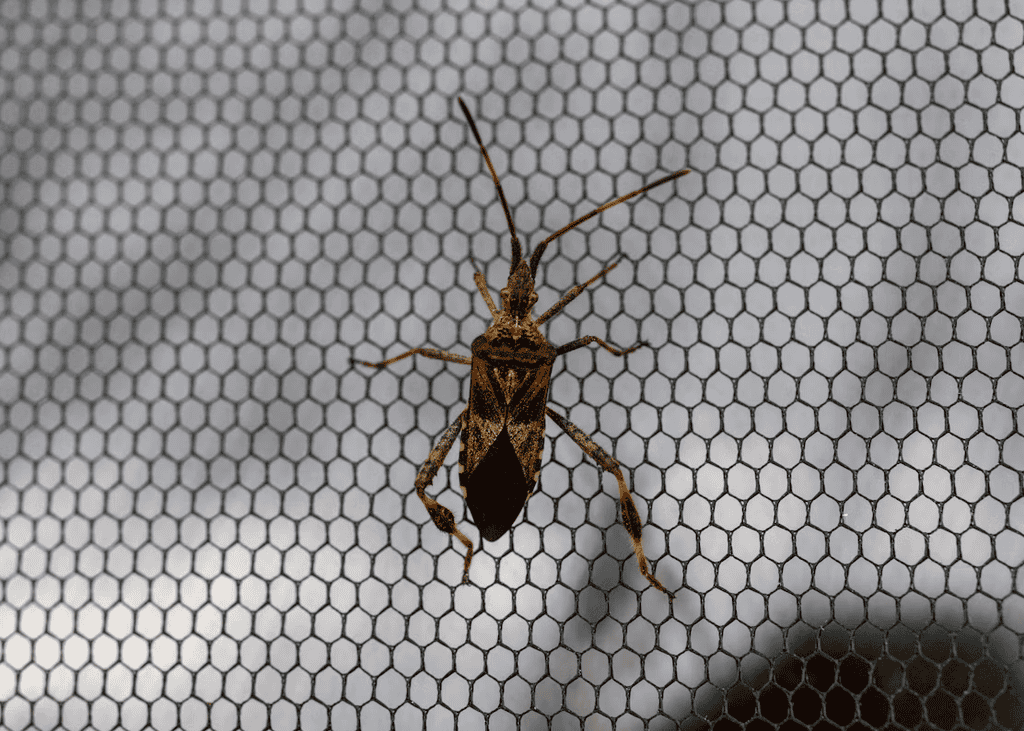
Not every cockroach is a hitchhiker. University extension entomologists in California sort the common pest species into two groups. American, oriental and Turkestan cockroaches live mostly outdoors, in sewers, drains, water meter boxes and leaf litter, and wander inside now and then. German and brownbanded cockroaches live and breed entirely indoors, which makes them the species most likely to end up in the moving boxes.
German and brownbanded cockroaches
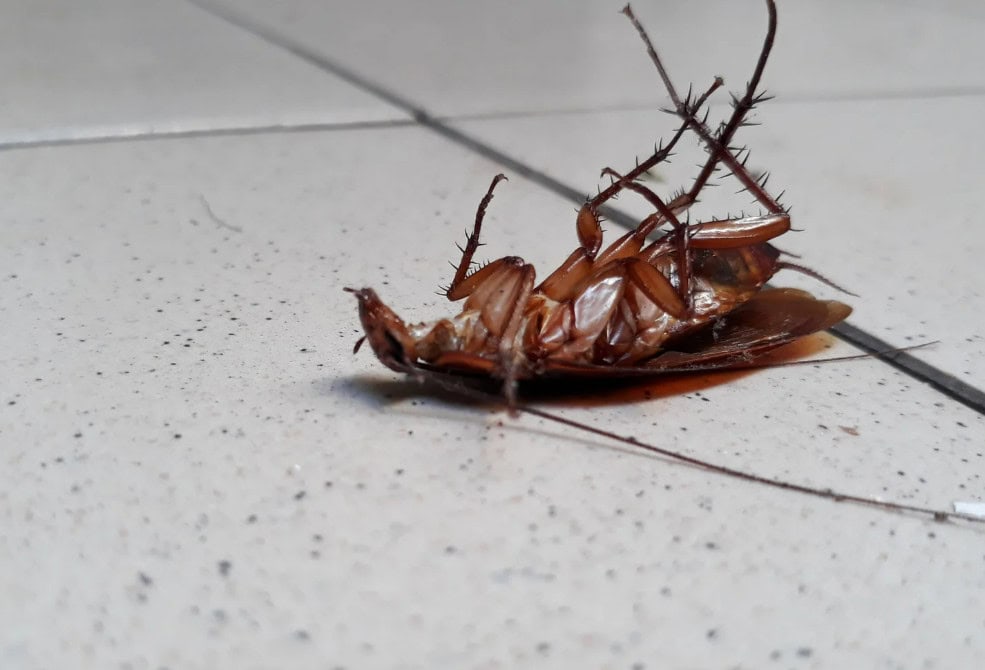
The German cockroach is the most common indoor species in California, especially in apartment buildings. Adults are about half an inch long and light brown, with two dark stripes on the shield behind the head, and they can fit into a crack 1/16 inch wide. The female keeps her egg case with her until a day or two before it hatches, and each case holds about 30 young. That detail is what makes a move risky: one exterminator warns that a single female or egg case is enough to start a new infestation.
The brownbanded cockroach is far less common (the same researchers put it at about 1% of indoor infestations in California), but it favors the very things that go on a truck: crevices in or near electrical appliances, the backs of framed pictures, hollow furniture legs. Females glue their egg cases under furniture and inside closets.
What gets packed along with them
- Cardboard. The corrugated channels give roaches cover, and they will eat both the paper and the starch-based glue. You also can’t check the inside walls of a box without tearing it apart.
- Appliances and electronics. Toasters, coffee makers, microwaves, refrigerators, computers and even clocks offer warmth and darkness.
- Furniture. Drawers (tops, bottoms and insides), couch cushions, table legs and the undersides of chairs, where egg cases get stuck.
- Everything else. Books, magazine piles, paper bags, picture and mirror frames, bookcases, brooms and mops, potted plants and their soil, half-empty bags of pet food.
Get rid of roaches before moving, not after packing
One pest control company describes a call from a man whose movers canceled the job on site after the crew found cockroaches. He asked for his furniture and more than 160 packed boxes to be treated so the move could go on. The answer was no: treatment can’t reach insects inside corrugated cardboard and furniture crevices. The only fix was to unpack everything, throw out the boxes, treat it all in the open, vacuum and pack again.
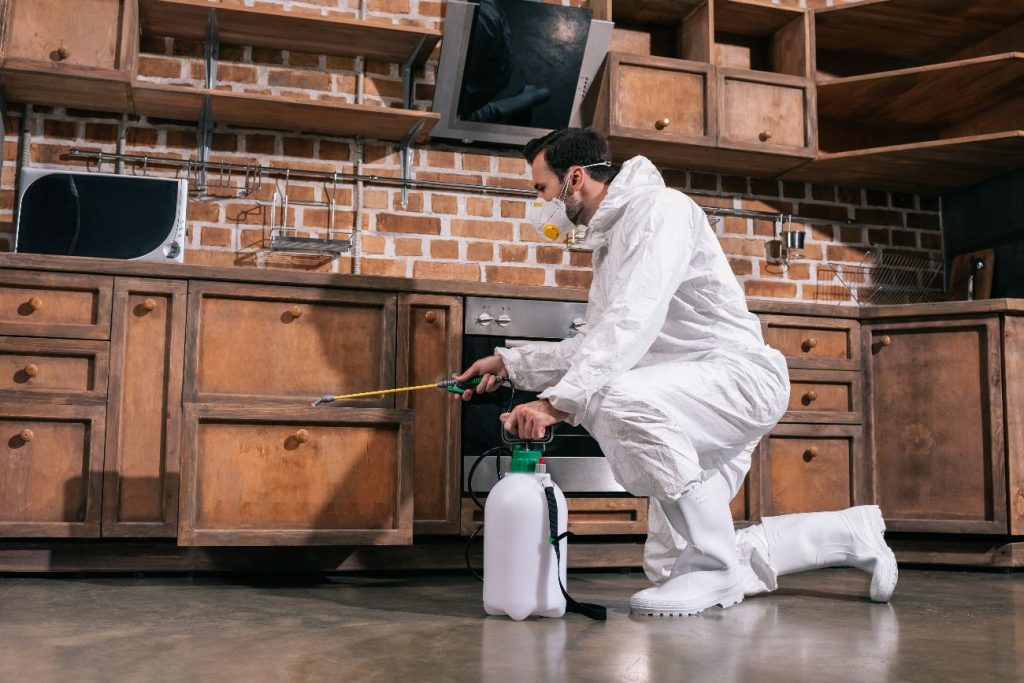
So the order matters: treatment first, packing second. Several pest companies recommend having the old home professionally treated before the move, one of them before packing even begins, and another guide suggests booking the service a few weeks ahead. Renters may not be free to treat on their own, which one company says raises the risk of taking roaches along.
- Use bait, not bombs. Foggers can scatter roaches deeper into hiding places, including the belongings you are about to pack. Extension guidance prefers baits over sprays, but baits are slow: it can take a week or longer before you see fewer roaches. Start early.
- Put out sticky traps. Traps along wall edges, in cabinets and under appliances, checked daily, show where the worst spots are.
- Purge. One exterminator’s advice is to throw away whatever you can replace, upholstered furniture especially, since a couch or recliner has too many hiding places to treat well. Old boxes, paper bags and clutter go first.
Packing so the boxes don’t carry them
Bins, boxes, or both
Here the guides split. One camp says skip cardboard altogether and use plastic bins with tight lids, with crates, laundry baskets and duffel bags for overflow. Once a checked item goes into a sealed bin, it stays clean, and if something did slip in, it stays contained instead of spreading through the load. The other camp accepts cardboard if it is new and sturdy, taped shut on every seam, with the contents bagged in plastic first. Cardboard is cheaper, but a bin can be checked inside and out, and a box wall can’t. If the budget stretches, bins are the safer bet.
Both agree on one point: no used boxes. A free stack from a grocery store or another shop, or flattened boxes that spent years in a garage or basement, may already hold eggs. If you must use cardboard, one pest company suggests bringing the boxes in at the last minute, packing them on a counter or table instead of the floor, and carrying each one outside as soon as it is closed.
Appliances and electronics
Clean them, then inspect with a strong flashlight, taking the outer case off where that is safe, and look for droppings, egg cases, shed skins and dead insects. Seal each item in its own clear plastic bag. Clear matters: anything alive inside usually shows up against the plastic within a few days.
With a heavy infestation, opinions get firmer. One pest company says small appliances such as coffee makers and alarm clocks are virtually impossible to treat and may be best thrown out, and one exterminator calls a refrigerator or stove brought from an infested unit close to a guaranteed reinfestation. For an appliance you keep but still doubt, two guides suggest heat: roaches die at about 125°F, so wrap it in plastic and leave it in the hot sun (one says black bags, for a day or two). Cold takes temperatures below 0°F for several days, in a garage or a parked truck, so it only helps where winters get that cold.
Fabric, kitchenware, books and food
- Clothes and linens. Wash hot, dry on high heat and pack them straight into sealed bags or bins. If you use a laundromat, pack there rather than carrying clean laundry back into the infested unit. Guides disagree on the risk: one says roaches aren’t often found in clothes, another that they hide in dirty or long-untouched piles and may lay eggs in seams.
- Dishes and cookware. Wash, dry and pack immediately, ideally straight from a hot dishwasher cycle into a bin.
- Furniture. Pull every drawer, lift every cushion, vacuum the seams and check underneath for glued egg cases.
- Books, shoes and frames. Shake them out and look behind the backing.
- Food and pet food. Don’t move open packages; toss them or decant into airtight containers.
- Plants. Check the soil, leaves, stems and pots. Repot in fresh soil or leave the plant behind, and don’t pack opened bags of potting soil. Outdoor pots deserve a look too: Turkestan cockroaches turn up in them.
Vacuum as you go, and move each closed bin out of the infested rooms, to a porch, a car or a clean space, before anything can crawl in.
Moving day
Look over the truck before anything is loaded. If belongings go into storage first, check the unit; a poorly kept one can be infested. Tell the movers about the problem ahead of time rather than letting the crew discover it halfway through. Last of all, shower, change into clean clothes and shoes, and bag what you were wearing.
The first days at the new place
Inspect the empty rooms
An empty home is the easiest inspection you will ever get. Before a single box comes in, check the kitchen and bathrooms, under sinks and appliances, and along shared walls in an apartment building. Look for dark specks or smears, egg cases, shed skins and a musty smell. If you find signs, hold your belongings back until the place has been treated.
Pretreat or wait?
Guides differ on treating a home that shows no signs. Some say an empty space is the moment to apply insecticide or call an exterminator, because nothing blocks the corners. Extension guidance is more cautious, saying indoor chemical treatment makes sense only once a population is established, not for a stray roach or two. Sticky traps are the middle path. Set them at entry points and along walls while you unpack; if roaches are there, traps often catch them within the first 24 hours.
Unpack at the door
- Unpack outdoors or at the front door when you can, and wipe items down before they go inside.
- Open the clear bags on a hard surface outside and check the plastic before anything comes out.
- Get the cardboard out fast. Break it down and recycle it instead of stacking empties in a closet or garage.
- Seal gaps around pipes and outlets, fix leaks, keep food in sealed containers and use a trash can with a tight lid.
When to call a professional
Any sign of roaches after move-in is reason enough. A single sighting can point to a bigger problem, and German cockroaches don’t give you much time: one female and her offspring can produce more than 30,000 roaches in a year. In an apartment, ask the property manager whether the building is treated regularly, since roaches can travel between units; one guide also advises sealing gaps around pipes and shared walls.
Hiring packers settles one part of the box question: where the boxes come from. Green Moving, an Irvine-based moving company serving Los Angeles and Orange County, provides packing materials, from boxes and packing paper to bubble wrap, furniture blankets and specialty containers, and includes them with full-service packing (the services are listed at www.greenmovingla.com). Its unpacking service puts items in their rooms and removes all packing materials when done. That means no hunting for free boxes and no empty cardboard piling up in the new home. If you hire packers for a move out of a unit with roaches, mention the problem when you book and keep treatment, washing and bagging on your own list, since a packing crew wraps and boxes belongings rather than treating them.
Even careful packing can miss an egg case, so keep checking after moving day: leave traps out for a while and call a professional at the first sign.