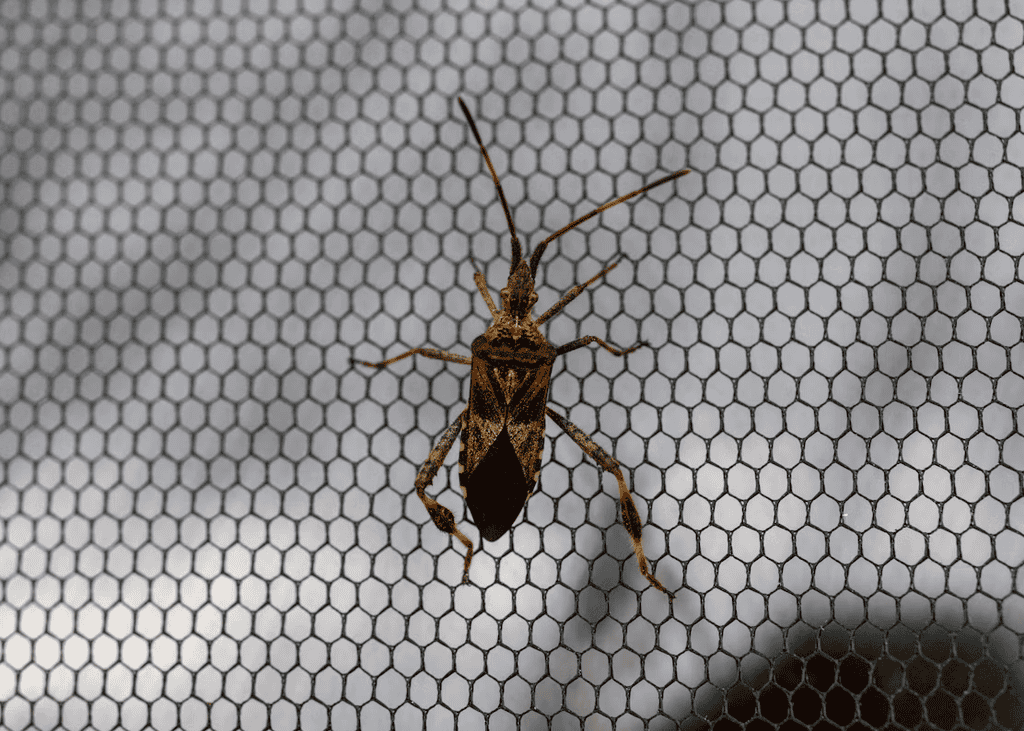
Every October, something shifts. All summer these boxelder bugs are just living their lives on the maple tree, and then suddenly they get it in their heads that your south-facing window is the VIP way into a nice warm hotel. Lady beetles gather on the siding. And somewhere in the wall void, a mouse has already started rearranging the insulation.
The thing is, most of these creatures don’t want to live with you. They want the space between your walls — that sweet spot that stays between 40 and 50°F all winter, which happens to be the perfect hibernation temperature for overwintering insects. Your job is to make sure they can’t find the door.
The Gap You Can’t See Is the One That Matters
Window frames look tight from the inside. From the outside, after a few prairie winters, they tell a different story. As caulk dries, it pulls back a little, and weatherstripping gets squashed. A credit-card-thick gap is enough for a boxelder bug to slip through. For mice, the standard is even more absurd: a gap the width of a pencil, and they’re in.
So first things first:
- With a flashlight, circle the outside of your windows.
- Check the frame-to-siding seam.
- Look at the corners.
- Run a finger along the bottom sill — if you feel air, so will a stink bug.
Cornell’s integrated pest management team points out that brown marmorated stink bugs specifically target wall voids around windows and doors. They don’t chew their way in. They wait for you to leave the gap open.
If the frames themselves are soft, warped, or showing moisture damage, caulk won’t fix the problem. It’ll just cover it up for one season. In older Saskatoon homes, wood frames that have absorbed years of freeze-thaw cycles often need more than a bead of sealant. At that point, window replacement Saskatoon is a pest-control strategy — new frames, proper flashing, a sealed envelope with no opening for insects.
Seal First, Then Strip, Then Screen
Once the frame situation is sorted, the actual pest-proofing is almost boring. Which is good. Boring means it works.
Caulk the small stuff
Even crazy temperature swings aren’t enough to crack waterproof silicone caulk. Use it for small gaps around frames, along trim, and wherever daylight gets through. Caulk doesn’t stick well to dust, so wipe everything down first.
Weatherstrip the moving parts
You can’t just caulk a moving window sash. Double-hung windows need something that can flex. Shut the window, and the foam or rubber seal squishes down. Open it, and it pops right back. Replace any crusty or missing seals before the weather turns bitterly cold.
Deal with the screens
Nothing says “come on in” like a torn screen. Come September and October, lady beetles, cluster flies, and western conifer seed bugs gather on warm outside walls — then crawl toward any gap they can. Patch kits cost less than a coffee. Use them.
Check the interior side too
Stink bugs and lady beetles that make it into the wall void sometimes find their way inward, emerging around interior trim on mild winter days. A thin bead of caulk along the interior casing won’t win any design awards, but it closes the last gap.
The Stuff Around Your Windows Matters Just as Much
If a branch touches the glass, a perfectly sealed window is useless. Those branches hanging over your house? They’re practically highways for squirrels and mice. Boxelder bugs drop out of the trees nearby, hit your siding, and start hunting for gaps. Trim back anything within a few feet of the house.
And then there’s the mulch. Pile wet mulch against the foundation, and it holds in moisture, plus it gives ants and spiders a convenient place to chill before they come in. Pull it back a few inches. The same logic applies to firewood stacked against the wall — it’s a rodent condominium with a direct tunnel to your living room.
What Actually Works (and What’s a Waste of Money)
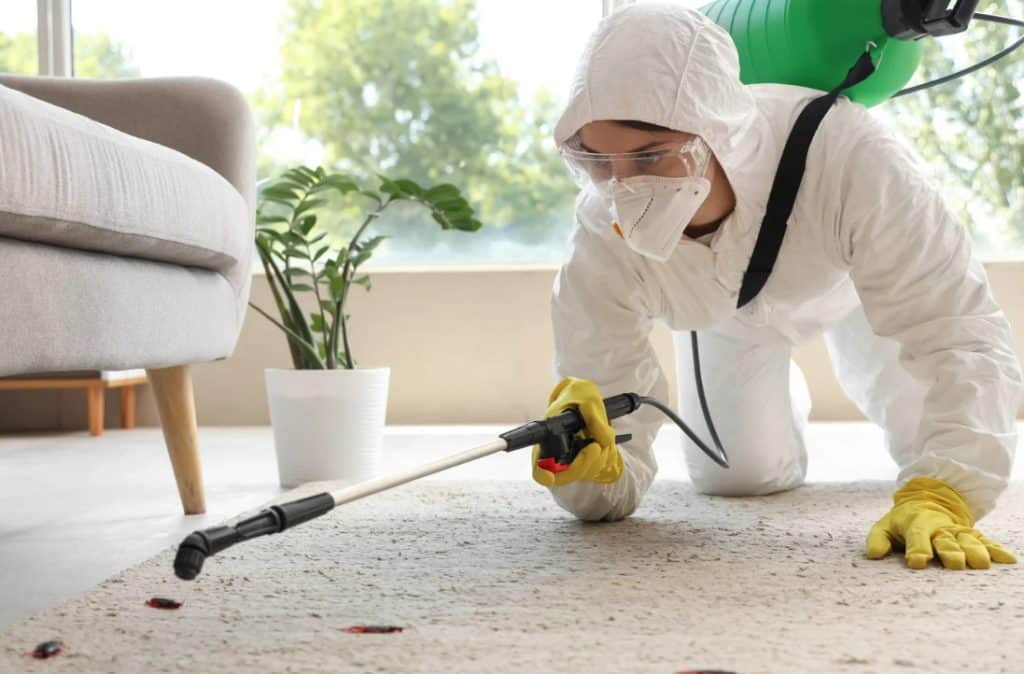
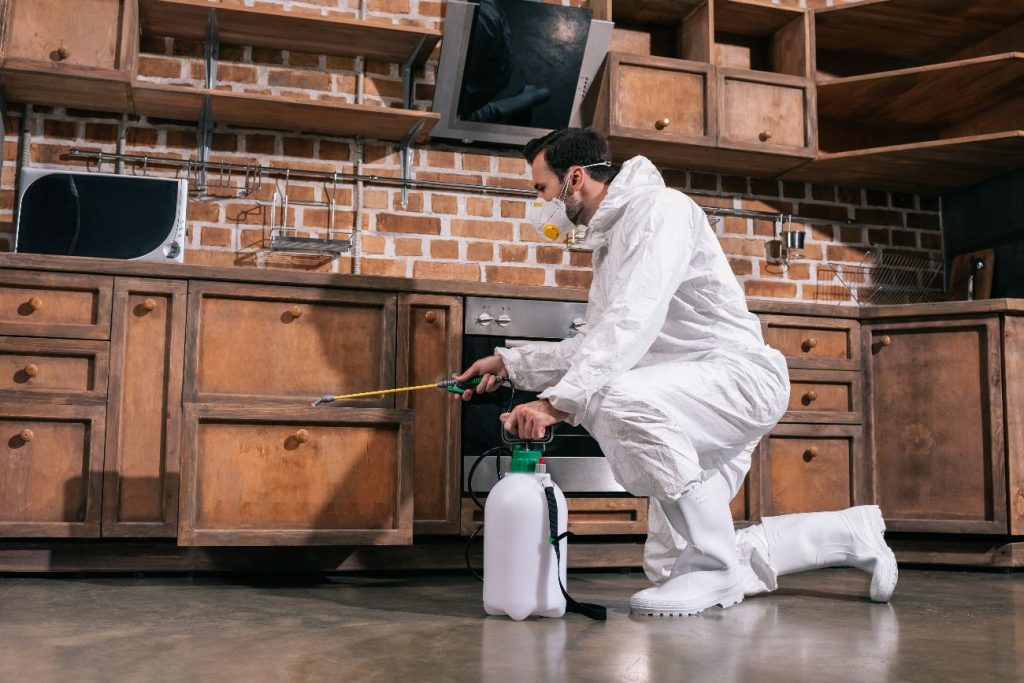
Spraying insecticide around window frames in October? Largely pointless. By the time overwintering insects are clustering on your siding, their metabolism has slowed for hibernation, and pesticides don’t kill them efficiently. You’re better off with a vacuum and a physical barrier.
The one exception: if you’re already seeing active trails — ants, specifically — a targeted perimeter treatment can help. But for the fall invaders, exclusion is the whole game. Seal the gap. Fix the screen. Replace the rotting sill. The bugs that can’t get in don’t need to be killed.
A practical note for anyone dealing with an older home
If you’re patching the same window frame every single autumn, the frame is telling you something. A few hundred dollars in sealant and weatherstripping every year versus a proper window replacement that eliminates the entry point entirely.
Do the south and west sides first. They catch the most sun, which is exactly why they draw the most bugs come fall. Work your way around from there. And don’t wait for the first frost — the invasion happens before the cold, not after. By the time you see your breath outside, the lady beetles are already inside the wall.