Deteriorating shingles and loose roof decking invite pests into residential attics, prompting homeowners to prioritize preventative maintenance and repair.
You might not notice the slow warping of a fascia board or a slightly lifted shingle until uninvited wildlife decides to move in overhead. Subtle roof wear often creates invisible invitations for rodents, bats, and moisture-seeking insects looking for a warm shelter. Protecting your living space requires looking upward and closing off the minor exterior gaps before environmental wear turns into a costly interior infestation.
Why Do Minor Storm Cracks Invite Wildlife?
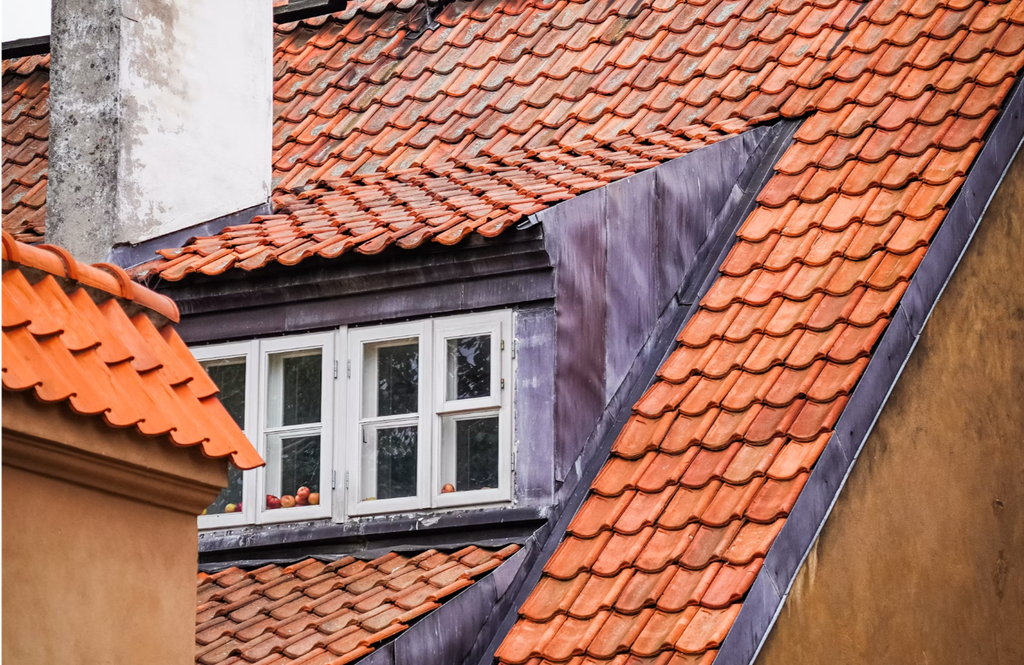
Wind and rain batter your property during seasonal storms, loosening protective materials around your roofline. When shingles curl or crack, sub-roofing materials become directly exposed to weather elements. Keeping your property safe from wildlife demands regular checks of your upper exterior surfaces.
Property owners often partner with local contractors specializing in residential roofing in Edmond or another area to catch minor damage early. Fixing these small cracks prevents animals from squeezing beneath compromised shingles. Small gaps multiply quickly when freezing temperatures or heavy downpours expand tiny fractures into larger structural openings.
How Does Moisture Accumulation Fuel Insect Infestations?
Water damage does more than rot wood; it creates ideal breeding grounds for moisture-loving pests. When leaks dampen attic timbers, wood-boring insects detect the softened cellulose and swarm the area. Centers for Disease Control and Prevention guidelines note that rodents often exploit vulnerable upper architecture, such as gaps in the roof among rafters, gables, eaves, and soffits. Keeping your deck substrates dry starves these pests of the damp conditions they need to thrive.
What Vulnerable Architectural Transitions Need Your Attention?
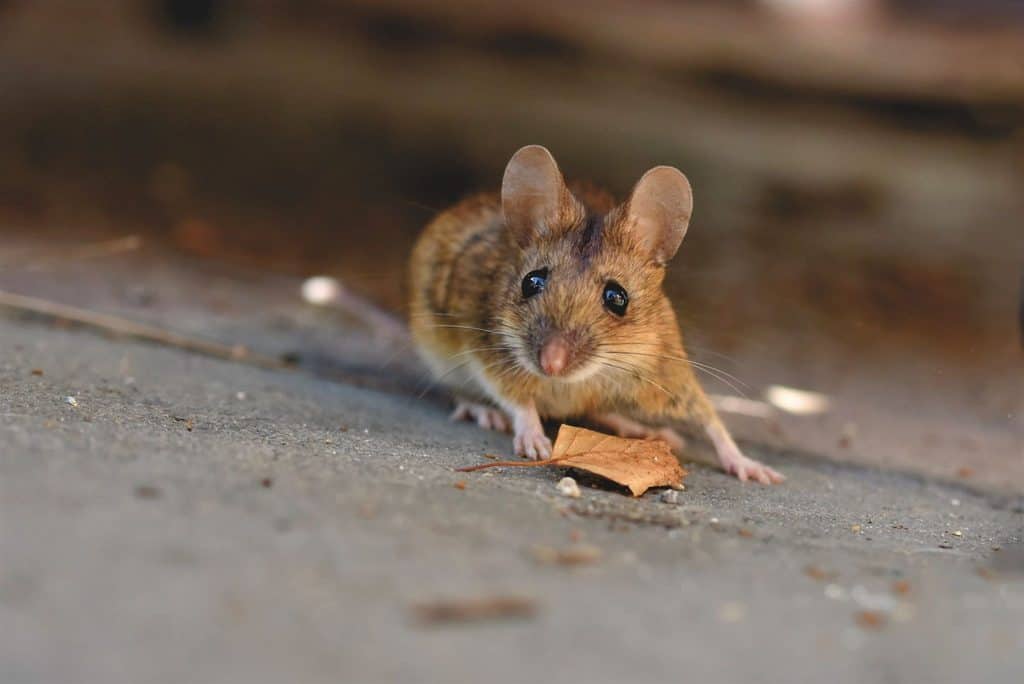
Wildlife looks for the path of least resistance when seeking shelter from dropping outdoor temperatures. Soffits, gable vents, and chimney flashings represent major architectural weak points that animals exploit. Data published by Idaho Central District Health points out that rats can enter homes, garages, sheds, and crawl spaces through small openings around roofs, foundations, vents, pipes, and utility lines.
Securing these transitions with heavy wire mesh blocks common entry points. Checking these vulnerable spots every autumn stops mice and squirrels before they chew through underlying wood. Adding fine screens over roof penetrations locks out critters seeking warmth during winter. Sealing every potential opening protects your attic from costly animal damage.
How Do You Build Mechanical Exclusion Barriers?
Physical barriers stop animals long before they can chew through wooden deck substrates. Installing galvanized steel flashing and metal screens over ventilation openings provides robust defense against persistent chewers.
- Seal ventilation gaps: Fasten quarter-inch hardware cloth across all gable vents and attic louvers to block mice and bats.
- Reinforce chimney flashing: Install step flashing and high-grade weather sealant around masonry joints to stop wildlife from squeezing past gaps.
- Cover pipe penetrations: Fit rubber boots and metal collars tightly around plumbing vents protruding through the roof deck.
What Seasonal Inspection Routines Stop Attic Contamination?
Catching exterior wear before winter arrives keeps attic spaces clean and pest-free. Walking the perimeter of your house with binoculars lets you spot loose flashing or missing granules from the ground. Checking your attic interior after heavy rainstorms reveals hidden water stains or daylight peeking through roof boards. Addressing these signs immediately protects your insulation from contamination and destruction.
When Should You Schedule Professional Maintenance?
High roofs and steep pitches require trained eyes and proper safety gear to inspect thoroughly. Bringing in professionals twice a year guarantees that hidden vulnerabilities receive expert attention. Technicians spot subtle shifting in fascia boards long before structural sagging occurs. Scheduling routine service appointments keeps your upper envelope resilient against seasonal pest pressures.
Professional roofing technicians inspect structural decking beneath your shingles for soft spots that signal hidden decay. They also inspect flashing around roof valleys and wall joints to ensure sealant remains intact against driving rain. Taking a proactive approach to expert inspection protects your home from uninvited pests and avoids expensive emergency repairs down the road.
How Do You Maintain Long-Term Roof Integrity?
Sustained home defense relies on consistent habits rather than one-time fixes. Cleaning gutters regularly prevents standing water from backing up against wooden roof edges.
Clear gutter debris. Scoop leaves and twigs from drainage channels weekly during autumn to eliminate stagnant moisture pools.
Trim overhanging branches. Cut back tree limbs touching your roof to remove convenient bridges for squirrels and raccoons.
Monitor attic humidity. Install ridge vents or powered exhaust fans to keep attic air dry and discourage wood-boring insects.
Safeguarding your household from environmental hazards starts with a tightly sealed structural roofline. By keeping up with routine inspections and sealing vulnerable gaps early, you secure your home against unwanted wildlife. Take charge of your exterior maintenance today to enjoy a peaceful, pest-free living space all year long.