Roofs stand as the primary shield protecting a house from rain, sun, and wind. Small structural flaws often turn into open invitations for wildlife seeking shelter. Finding these vulnerabilities early keeps your home safe and quiet throughout every season.
Damaged or Missing Shingles
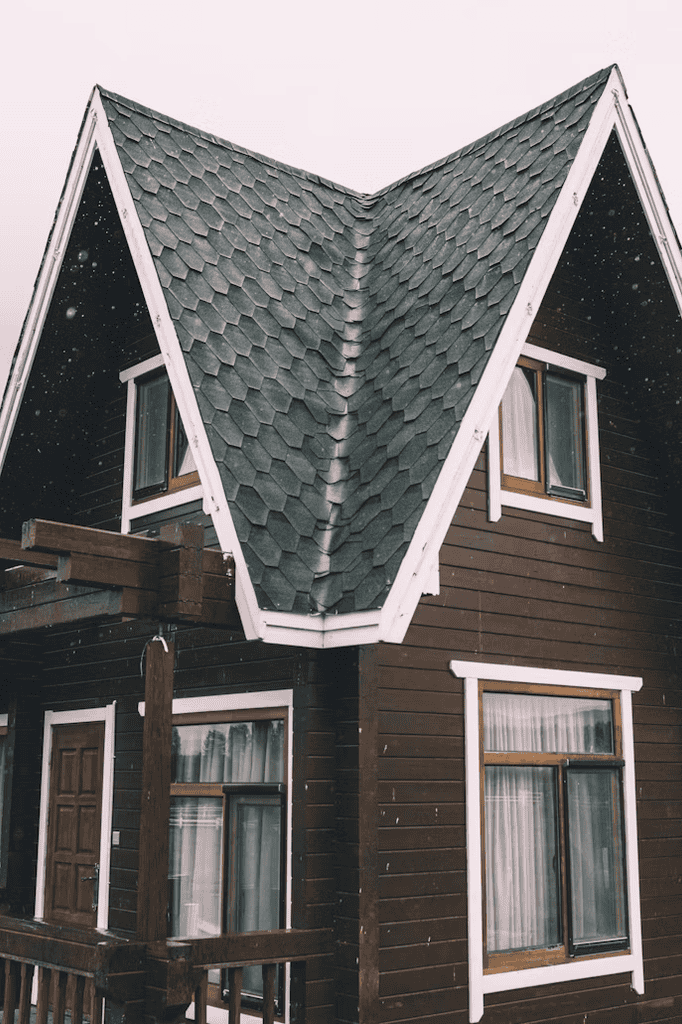
High winds and severe weather strip shingles off roof decks or cause them to curl up at the edges. Homeowners frequently consult Florida roofing experts to identify hidden roof gaps before small animals move into the upper layers. Bare spots expose soft wooden underlayment that squirrels, mice, and insects easily gnaw through. Left unattended, these thin areas turn into direct pathways straight into the attic space.
Regular inspection after major storms prevents minor exterior damage from expanding into structural problems. Looking for dark patches or lifted edges from ground level helps spot problems early. Replacing a single cracked shingle costs far less than repair bills for full pest removal.
Preventative roof checks after seasons with 50+ mph wind speeds protect structural integrity. Keeping spare matching shingles on hand allows for quick patches as soon as damage appears.
Cracked Ridge Caps
Ridge vents run along the peak of the roof to allow hot air to escape from the house. Through seasonal shifts, plastic covers crack and metal caps loosen under intense sunlight exposure. Small animals notice peak openings quickly as warmth drifts out from top vents.
Watch out for these indicators of peak damage:
- Loose fasteners along the peak line
- Warped plastic capping material
- Gaps forming near the edges of vent covers
Fixing cap covers keeps squirrels from chewing through underlying membranes. Secure ridge lines maintain proper airflow and block critters from nesting inside ceiling cavities.
Inspecting roof peaks twice annually helps catch loose cap nails before wind lifts entire sections. High-grade sealant applied along vent joints blocks pests from slipping under plastic ridges.
Loose or Compromised Flashing
Flashing seals the joints around chimneys, skylights, and roof valleys. Thermal expansion creates subtle gaps where thin metal strips pull away from brickwork or wood siding. An industry publication noted that wind and water loosen materials, creating gaps in roof flashing or shingles. Raccoons and rodents bend these loose metal pieces back to squeeze into attic spaces.
Water trickling past loose flashing softens surrounding wood framing over 2 to 3 seasons. Softened wood makes it simple for pests to chew wider openings for easy entry. Sealing metal edges with exterior silicone caulk closes these hidden gaps tight.
Routine maintenance on chimney flashing protects against $1,000+ in combined water and wildlife damage. Copper and galvanized steel options offer decades of strength against animal intrusion.
Rotted Soffit and Fascia Boards
Soffit panels and fascia boards support the lower edges of a roofline near eaves. Heavy rain paired with clogged gutters forces water back beneath eave edges, rotting wooden trim. Rot creates soft spots that birds, bats, and rats pull apart with ease.
Damaged fascia boards allow animals direct access into lower roof rafters. Pest nests in rafters trap heat and create sanitation hazards for home occupants. Replacing decayed wood with durable composite fascia prevents animals from forcing entry.
Painting and sealing exterior wooden fascia boards every 3 to 5 years protects against moisture absorption. Sturdy metal drip edges installed above fascia boards divert rainwater straight into gutters.
Unscreened Attic and Soffit Vents
Attic vents provide airflow to regulate indoor temperatures and control moisture buildup. Missing screens or broken louvers turn these ventilation points into unobstructed entrances for wildlife. A regional guide on residential structures explained that pests access roofs through even the smallest gaps and vulnerabilities.
Insects such as wasps and carpenter bees build colonies behind unprotected vent openings. Installing heavy-gauge wire mesh behind all vent openings stops critters from entering. Inspecting mesh screens twice a year keeps air moving freely without compromising perimeter security.
Stainless steel mesh resists rust and holds up against aggressive gnawing by rats or squirrels. Securing mesh with heavy screws rather than staples prevents animals from pushing screen edges inward.
Clogged or Sagging Gutter Lines
Gutters direct thousands of gallons of rainwater away from roof structures each year. Standing water in clogged gutters softens fascia boards and leads to roof edge rot. Damp environments lure mosquitoes, ants, and termites to gather along the roof edge.
Heavy, sagging gutters pull away from the roofline, creating wide gaps along eave margins. Rodents use these hidden spaces to slip beneath shingles and hide in attic insulation. Regular cleaning twice per year removes debris and keeps water moving safely down downspouts.
Installing aluminum gutter guards stops leaf accumulation and eliminates standing water pools. Checking gutter pitch with a level confirms water flows smoothly toward downspouts without pooling near eaves.
Addressing minor roof flaws keeps wild animals outside where they belong. Early detection saves time, protects indoor air quality, and preserves the structural value of a residential property. Consistent inspections help keep your roof a strong line of defense year after year.