
North Texas yards face a genuinely tough set of conditions. The clay-heavy soil, scorching summers, unpredictable rainfall, and persistent insects create a combination that challenges even well-maintained turf.
But most lawn problems follow recognizable patterns, and understanding what is actually happening beneath the surface makes fixing it far more straightforward than guessing.
Brown and Yellow Patches
A discolored patch in the yard is easy to misread. Most people reach for the sprinkler first, assuming the problem is dry soil. But the shape, size, and location of a damaged area often tell a more specific story.
Heat Stress vs. Drought Stress
Heat stress is one of the most common summer lawn issues in North Texas, and heat-stressed turf often looks similar to drought damage or fungal disease, which makes diagnosis tricky. True drought stress tends to show up as a bluish-gray cast, blades that fold inward, and footprints that stay pressed into the lawn instead of springing back, usually spread evenly across the sunniest areas.
Drought conditions can deteriorate fast, with Moderate Drought now widespread and pockets of Severe Drought redeveloping across portions of the region. That kind of prolonged dry stretch puts real pressure on turf. But it is not always the whole story.
Overwatering and Disease
Too much water creates its own set of problems. Soggy soil promotes fungal growth, and overwatered patches often develop a mushy texture before they turn brown. Overwatering shaded areas can lead to fungal disease while underwatering sunny zones creates heat stress. Identifying which situation applies means looking at the whole picture, not just the color of the grass.
Compaction and Soil Problems
North Texas clay soil absorbs water slowly, and compacted ground makes that problem worse. When water cannot penetrate properly, roots stay shallow and the grass becomes fragile. Recurring brown patches that do not respond to watering are often a sign that the existing variety is not suited to that particular spot in the yard.
Weeds Growing Through the Grass
Weeds move in quickly when turf is thin or stressed. Bare patches, inconsistent watering schedules, and mowing too short all create open space that opportunistic plants are happy to fill. Cutting grass lower than the recommended height for its variety removes the leaf surface the plant needs to recover, weakening the turf over time.
Common prevention steps include:
- Keeping the lawn at the correct mowing height for the specific grass variety
- Watering deeply and less frequently rather than lightly and often
- Addressing bare spots promptly before weeds establish themselves
- Avoiding over-fertilizing, which can stress turf and create conditions weeds exploit
Persistent weed problems are usually a symptom of something larger. If weeds keep returning despite routine removal, the underlying turf health likely needs attention before any surface-level treatment will hold.
Lawn Damage Caused by Pests
Insects damage grass both above and below the soil, which is part of what makes them difficult to identify. Grubs live underground and feed on grass roots, so the damage they cause is severe and often invisible until it is too late. By the time a section of lawn peels back easily from the soil, the population underneath has already been feeding for weeks.
Chinch bugs pierce grass blades and suck out moisture while injecting a toxin that blocks water uptake, and the result looks so much like drought stress that chinch bug damage is frequently misdiagnosed. That misidentification leads homeowners to water more, which does nothing to address the actual cause. A frustrating cycle.
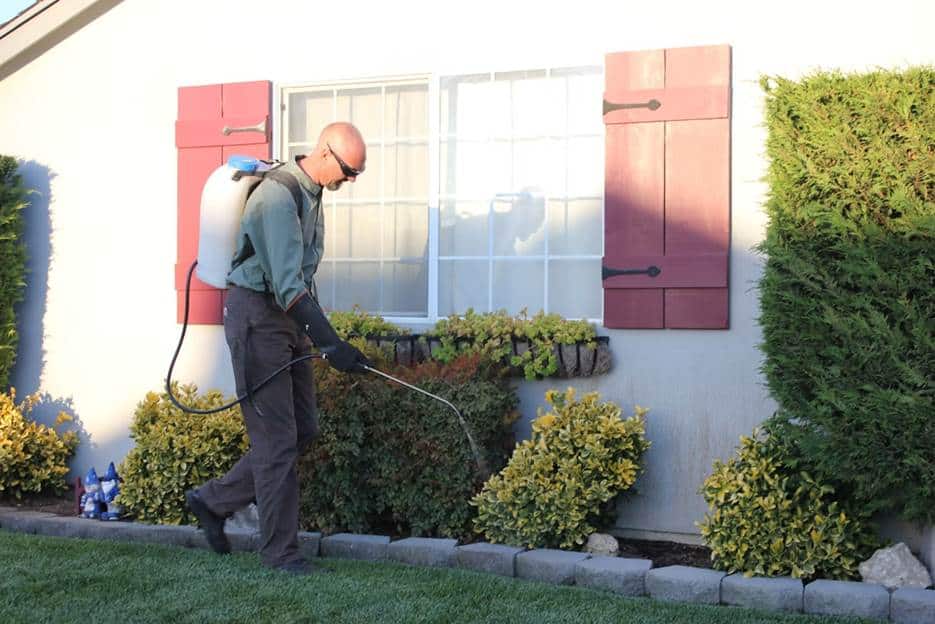
Before taking any insect control action, confirm that insects are causing the damage and not something else, and that the pest is present in a life stage that responds to treatment. Treating the wrong problem wastes time and money, and in some cases makes the underlying issue worse. The best way to prevent damage from lawn pests is to keep the grass healthy, since healthy lawns require few, if any, pesticide applications.
Thin, Patchy, or Struggling Grass
Some lawns never seem to fill in, no matter how much attention they receive. The cause is usually one of a handful of factors: too much shade, heavy foot traffic, poor soil structure, drainage problems, or a grass variety that was never a good match for the yard’s specific conditions.
Shade and Traffic
Too much shade limits photosynthesis and weakens grass growth. Areas under large trees or near structures often stay thin year after year because the variety planted there cannot produce enough energy to thrive. High-traffic paths wear down turf faster than it can recover, and no amount of fertilizer compensates for that.
Choosing the Right Variety
When a lawn consistently struggles despite proper care, replacing the grass with a variety better suited to the actual conditions is often the most practical solution. Calling The Grass Store DFW is a straightforward way to learn about available varieties side by side and get guidance on which type fits the amount of sun, foot traffic, and watering a specific yard receives. Getting that match right from the start saves a lot of effort down the road.
Too Much Water or Poor Drainage
More water does not always equal healthier grass. Standing water and persistently soggy areas prevent oxygen from reaching roots, create conditions where fungal problems spread, and gradually weaken the turf from the ground up. Deep watering encourages roots to grow further into the soil, making grass more drought-resistant, while frequent shallow watering creates weak root systems that struggle during heat waves.
Improving drainage, breaking up compacted soil, and adjusting irrigation run times are all practical starting points. In some yards, the layout of the land itself directs water toward low spots that stay wet long after rain. Grading or drainage channels can fix that before any other lawn care steps will take hold.
Heat and Drought Stress
June through September is actually peak growing season for the three grasses that dominate North Texas yards, Bermuda, St. Augustine, and Zoysia, which are warm-season varieties built for heat. That means visible summer decline is rarely caused by temperature alone. Watering timing, mowing height, and soil condition usually play a larger role.
Signs of genuine stress include wilting, a grayish or dull coloring across the sunniest sections, and slowed recovery after foot traffic. Raising the mowing height slightly during extended dry periods reduces the amount of leaf surface exposed to the sun and helps the plant retain moisture. Watering in the early morning, rather than midday or evening, improves absorption and cuts the risk of fungal activity overnight.
Uneven Growth Across the Yard
A yard that looks healthy in one area and thin in another is not unusual. Sunny sections dry out much faster than shaded areas, and not every part of a lawn needs the same amount of water. Soil quality, drainage patterns, tree root competition, and foot traffic patterns all vary from one corner of a yard to another.
Treating the entire lawn as a single uniform surface leads to overwatering some zones and underwatering others. Paying attention to the specific conditions in each area and adjusting irrigation zones, mowing patterns, and maintenance accordingly produces far better results than a one-size-fits-all approach.
When a Lawn Problem Needs More Attention
Minor issues are easy to dismiss, but some signs point to something that warrants a closer look. According to the U.S. Department of Agriculture, Japanese beetle grubs alone cause an estimated $234 million in damage each year, including the cost of control and turf replacement. That figure reflects how quickly an unaddressed pest problem can escalate beyond routine maintenance.
Watch for damage that continues to spread even after treatment, brown patches that return in the same location each season, widespread thinning with no clear cause, persistent standing water after rain, or repeated pest activity. These patterns point to an underlying condition that surface-level fixes will not resolve. Addressing the root cause, whether that is soil structure, variety selection, drainage, or pest pressure, is what actually breaks the cycle.
The Takeaway
North Texas lawns deal with a wide range of pressures, from weeds and insects to drainage problems, heat, and grass that was never the right fit for the yard. Healthy turf generally comes down to a combination of the right variety, consistent watering practices, good soil conditions, and regular upkeep.
Catching a problem early, and correctly identifying what is causing it, keeps small issues from turning into large ones. A little attention in the right direction goes a long way.