Outdoor timber features add beauty and structural character to any home’s yard. Wood-boring insects like termites and carpenter ants turn untreated posts into hollow shells.
Protecting exterior surfaces requires a smart combination of sealing treatments and continuous maintenance. Simple coating choices defend wooden decks, fences, and sidings for 10 to 20 years.
Understanding How Bugs Attack Exterior Timber
Unfinished timber attracts wood-boring bugs seeking shelter and nutrients. Working alongside local experts like Paintzone LLC Painters helps homeowners spot early signs of damage before structural beams fail. Regular monitoring keeps unwanted critters away from vulnerable backyard builds.
Small hairline cracks in dry timber offer easy access points for egg-laying insects. Trapped water under soft surfaces creates ideal conditions for wood decay fungi. Softened wood fibers make tunneling effortless for growing pest colonies.
Blocking entry points stops larvae from tunneling through structural frames. Solid outer layers stop bugs before severe structural harm takes hold. Proper surface preparation turns soft wood into a resilient shield against pests.
Choosing Deep Penetrating Wood Preservers
Preservative liquids penetrate deep into grain fibers to stop insect infestation. Oil-based formulas soak inside to harden fragile outer zones against burrowing pests. These treatments seal raw timber without altering its natural texture or surface pattern.
Industry testing reveals that deep-penetrating microporous solutions absorb quickly to stabilise wood and seal it against environmental elements. Applied coatings maintain internal flexibility while preventing moisture damage across seasons. Absorbed formulas create long-lasting barriers against rot and decay.
Clear formulas maintain natural grain patterns while stopping decay organisms from spreading. Reapplying sealants every 2 years keeps the defense layer robust against heavy rainfall. Consistent maintenance prevents deep insect burrowing across all four seasons.
Elevating Structures and Managing Ground Clearance
Ground contact gives insects a direct highway straight into main floor joints. Dampness rising from bare dirt softens bottom posts rapidly. Direct soil contact accelerates structural breakdown in outdoor wooden builds.
Construction guides recommend maintaining at least 400mm clearance between your deck and the ground for proper airflow and easier inspections. Proper space under boards lowers humidity levels around bottom supports. Increased airflow dries out lingering dampness after heavy spring rainstorms.
Concrete footings keep support beams off damp soil surfaces permanently. Adding gravel under lower platforms improves water drainage around footings. Simple elevated designs stop ground pests from reaching deck boards and frame supports.
Applying Protective Paints and Sealers Correctly
Proper surface prep creates strong adhesion for protective top coats. Cleaning off dirt and old peeling layers allows fresh paint to bind tightly to the grain. Skipping surface cleaning leads to premature paint peeling and exposed timber.
Key application steps guarantee complete surface defense across every board:
- Sand rough patches smooth to remove splinters.
- Fill deep cracks with exterior-grade caulk.
- Coat end-grain cuts thoroughly with thick primer.
Applying 2 thin coats delivers better results than 1 thick layer. Proper drying time between coats locks in weather protection for years.
High-grade exterior paint blocks ultraviolet rays that break down wood fibers. Acrylic latex paints flex with temperature changes without cracking open during winter freezes. Durable topcoats keep wood surfaces safe from sun, wind, and rain.
Sealing Cracks to Stop Nesting Behavior
Insects search for tiny gaps to build nests and lay eggs during spring. Caulking open seams removes hidden spaces before pests move inside your structures. Sealed joints stop insect queens from founding new colonies in trim work.
Flexible exterior sealants bridge gaps between trim boards and main siding. Checking joints annually keeps weather barriers completely intact against heavy winter storms. Flexible materials withstand natural wood expansion during hot summer days.
Smooth painted surfaces stop pests from gripping boards easily. Smooth topcoats deter nesting insects from boring into flat exterior surfaces. Slick outer coatings make egg attachment nearly impossible for flying pests.
Maintaining Long-Term Timber Health
Regular inspection routines catch minor flaws before major repairs become necessary. Inspecting deck undersides every spring reveals hidden damage early in the season. Early detection saves homeowners thousands of dollars in structural replacements.
Washing off organic debris stops fungi from eating protective finishes. Soft scrub brushes clear dirt without scratching smooth top coats. Clean surfaces dry faster after rainstorms, preventing fungal spore growth on timber.
Replacing damaged boards quickly protects surrounding structural pieces from rot spread. Quick fixes keep total maintenance costs manageable over decades. Staying proactive keeps outdoor spaces safe for family gatherings.
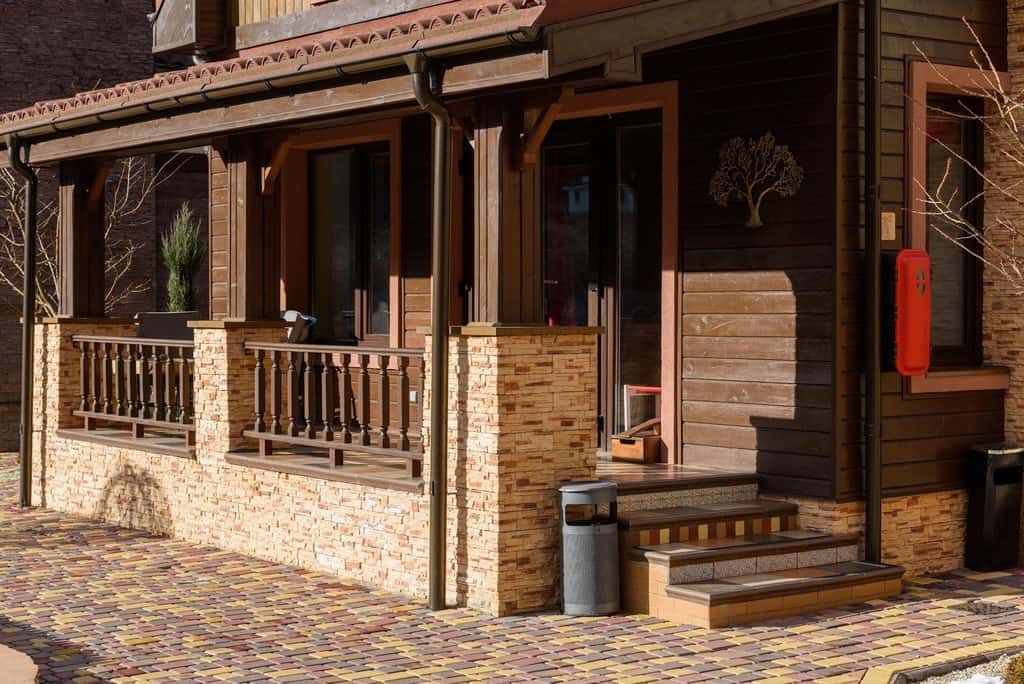
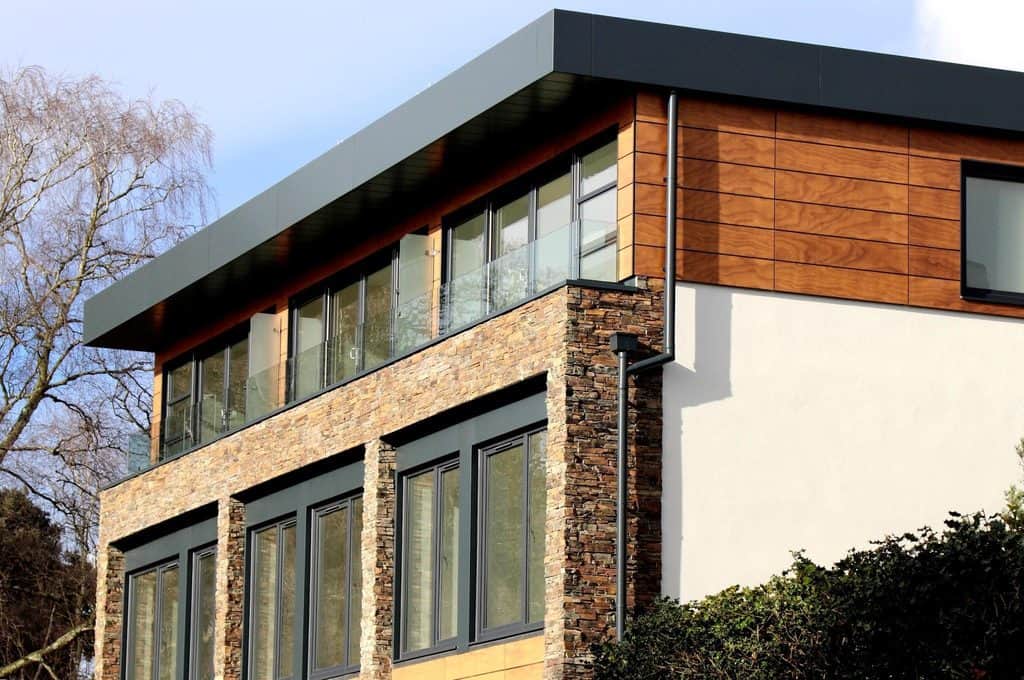
Image source: https://www.pexels.com/photo/building-in-village-7746919/
Protecting exterior timber structures demands ongoing care and quality sealing products. Combining protective paints with smart structural design keeps outdoor living spaces strong against weather.
Taking proactive steps today prevents costly timber replacements down the road. Quality coatings keep decks and sidings looking pristine for 10 to 20 years.