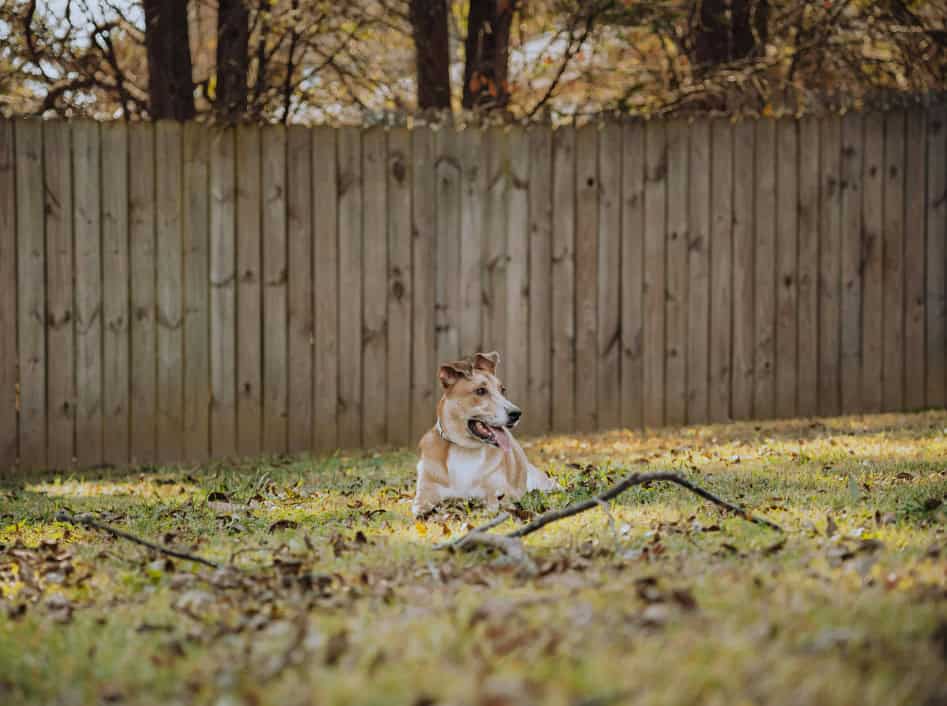
As dogs grow older, the way they use outdoor spaces begins to change. A backyard that once encouraged endless games of fetch and energetic running gradually becomes a place for gentle walks, fresh air, and comfortable exploration.
Small obstacles that never mattered before, steep steps, slippery surfaces, uneven ground, or long distances between shaded areas, can become daily challenges for senior dogs dealing with reduced mobility.
The good news is that creating a backyard that’s easier for an aging dog doesn’t require a complete redesign.
Thoughtful improvements can help make life easier for an aging dog and help them stay active, independent, and comfortable while continuing to enjoy time outside. The goal isn’t to limit movement but to make movement safer and less physically demanding.
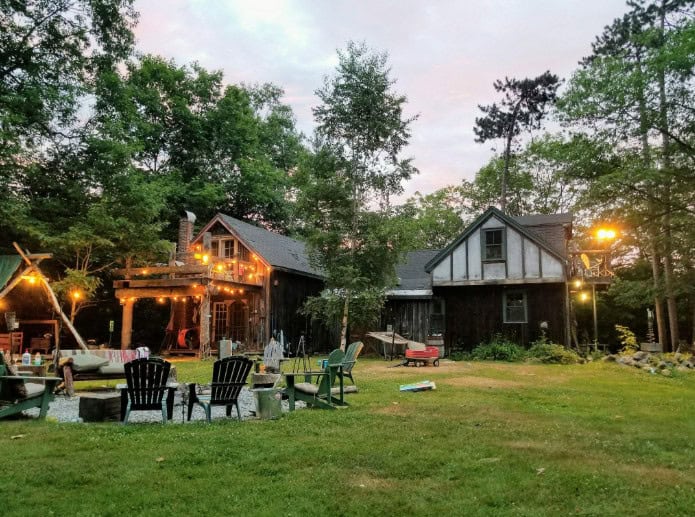
Easy Paths Encourage More Daily Activity
Senior dogs often remain eager to explore outdoors, but uneven terrain can discourage them from moving around as much as they once did. Gravel, loose stones, muddy areas, and steep slopes require extra effort and can increase the risk of slipping or losing balance.
Creating smooth walking paths between favorite areas, such as the patio, lawn, garden, and resting spots, allows older dogs to move with greater confidence. Non-slip surfaces, gradual transitions, and well-maintained walkways reduce unnecessary strain on aging joints while encouraging regular movement throughout the day.
Even short walks around a familiar backyard help maintain muscle strength and flexibility when they’re comfortable enough to enjoy.
Comfortable Resting Areas Matter Just as Much
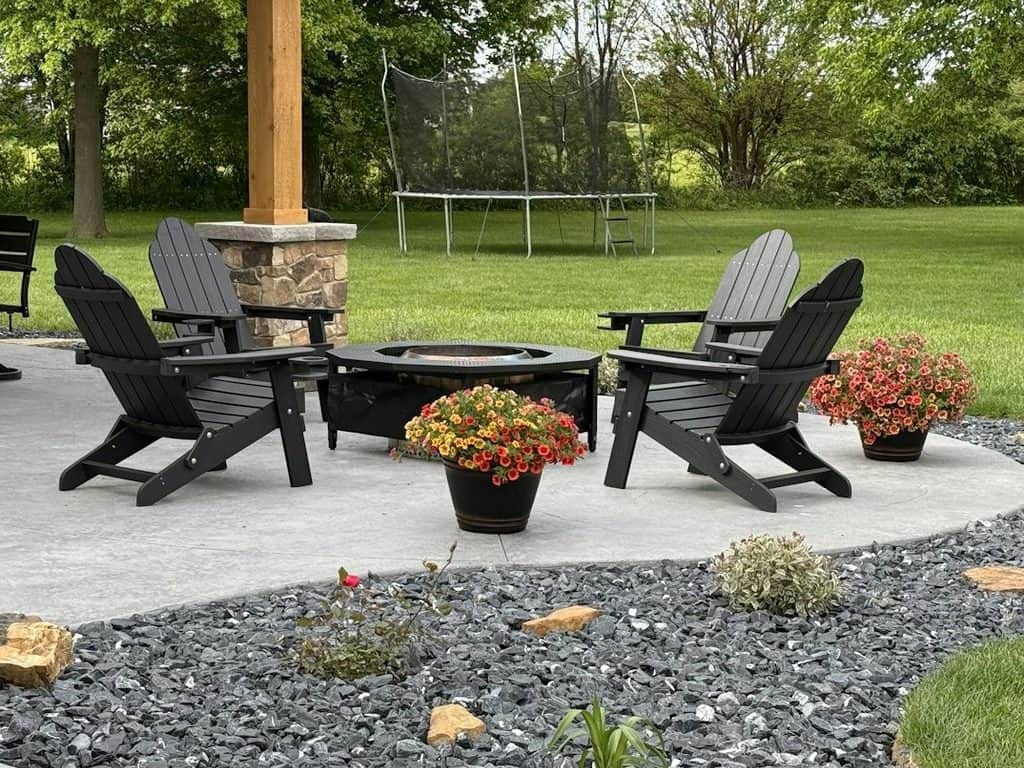
Older dogs usually alternate between periods of gentle activity and longer periods of rest. Providing shaded areas, comfortable outdoor beds, and quiet places away from heavy foot traffic allows them to recover without needing to return indoors every time they become tired.
Shade becomes especially important during warmer months, as senior dogs often tolerate heat less efficiently than they did when they were younger. Trees, pergolas, covered patios, or strategically placed umbrellas can all make outdoor time more enjoyable while reducing the risk of overheating.
Simple additions like raised water bowls and easily accessible drinking stations also help encourage regular hydration throughout the day.
Mobility Support Can Extend Outdoor Independence
Reduced mobility doesn’t necessarily mean a dog has to stop enjoying the backyard. Many senior pets continue exploring familiar surroundings with a little extra support.
For dogs experiencing more significant mobility challenges, owners often consider options like Walkin Pets dog wheelchairs to help maintain independence during outdoor activities. Mobility support devices can allow some dogs to continue participating in walks, exploring the yard, and spending time with their families despite changes in strength or balance. The right solution depends on the dog’s specific condition, lifestyle, and guidance from a veterinarian.
Helping an aging dog stay active safely often contributes to both physical health and overall quality of life.
Remove Obstacles Before They Become Problems
Many backyard hazards only become noticeable after a dog begins slowing down. High steps, narrow pathways, exposed tree roots, raised garden borders, and slippery decks may have been easy to navigate for years but can become difficult with age.
Walking through the yard from a senior dog’s perspective often reveals simple improvements. Adding ramps where appropriate, improving outdoor lighting, repairing uneven surfaces, trimming overgrown vegetation, and securing loose paving stones all help create a safer environment without changing the overall appearance of the yard.
Preventing falls is generally much easier than helping a dog recover from one.
Keep Outdoor Routines Predictable
Older dogs often become more comfortable with familiar routines. Visiting the same areas, following consistent walking paths, and maintaining regular outdoor schedules reduce unnecessary stress while making navigation easier.
Rather than constantly rearranging furniture, planters, or garden decorations, keeping the backyard layout relatively consistent allows senior dogs to move confidently using memory as well as vision. This can become particularly helpful for pets experiencing age-related changes in hearing, eyesight, or cognitive function.
Small routines repeated every day often contribute more to confidence than occasional large changes designed to improve the space.
A Thoughtful Backyard Supports Better Quality of Life
Growing older doesn’t mean a dog stops enjoying the outdoors. Most senior dogs still appreciate sunshine, fresh air, familiar scents, and spending time with their families. They simply benefit from an environment that reflects their changing physical needs.
Safe walking surfaces, accessible resting areas, reliable shade, thoughtful mobility support, and consistent routines all help older dogs continue enjoying the backyard with greater comfort and confidence. These improvements don’t need to be elaborate or expensive. Often, the smallest adjustments have the greatest impact on everyday life.
A backyard designed with an aging dog in mind becomes more than just an outdoor space. It becomes an environment that supports independence, encourages gentle activity, and helps cherished companions remain active members of the family for as long as possible.