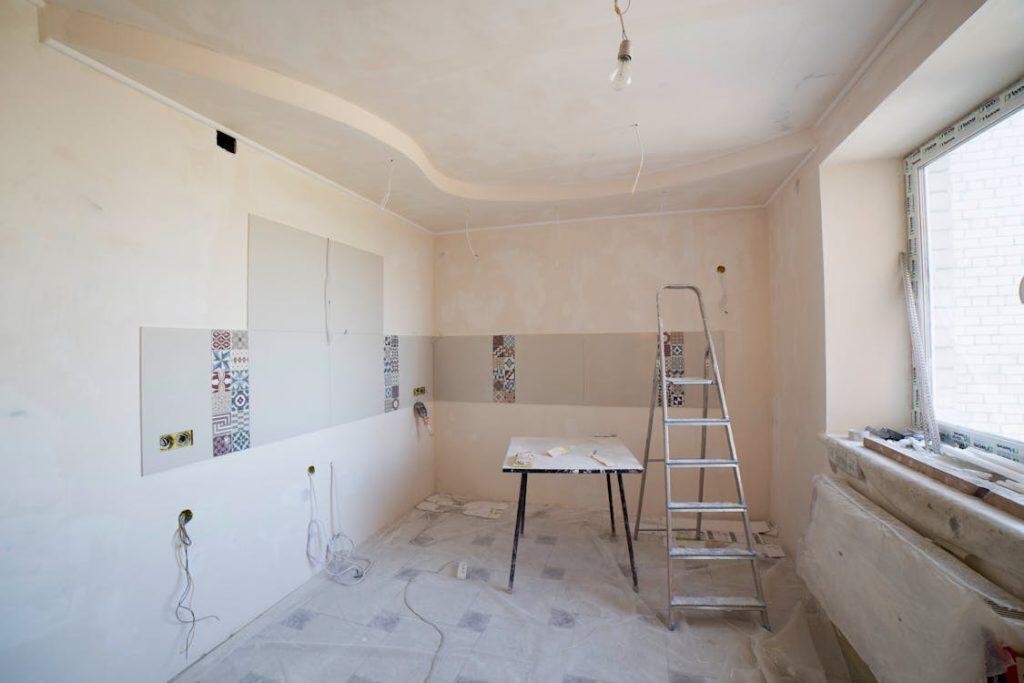
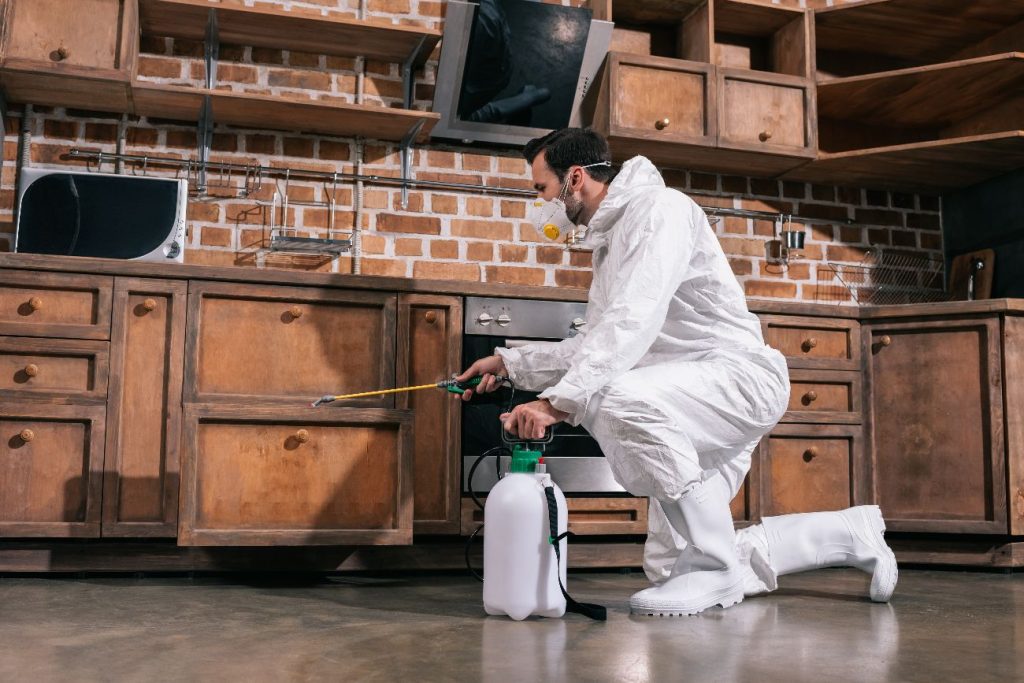
Tearing down walls and ripping up old floors brings excitement to any homeowner. This structural disruption can invite unwanted critters into your living space if you skip preventive steps. Managing these risks during the tear-out phase saves thousands of dollars in future extermination costs.
Proper planning turns a standard renovation into a protective shield for your property. You can keep mice, rats, and bugs away by making pest defense a main part of your build layout. Taking action early stops infestations before the new drywall goes up.
Finding The Right Support For Your Project
Selecting the proper team keeps your renovation on track and protects your home’s structural integrity. Finding skilled labor matters whether you need a home remodeling contractor in Long Island, Boston, New York, or anywhere else, since professional builders know how to handle hidden structural gaps. Experienced crews spot old rodent pathways behind your plaster boards immediately.
They can seal these entry points before covering them with fresh materials. Good workers fix structural issues instead of hiding them behind new paint, this approach saves stress later. They inspect the framing for rot and sill plates for weakness. This checking prevents pests from chewing through soft wood.
Licensed professionals follow strict building codes regarding pest exclusion. They understand how utility penetrations create open highways for pests. Their expertise guarantees that your investment remains secure.
Sealing Tiny Gaps In The Structural Envelope
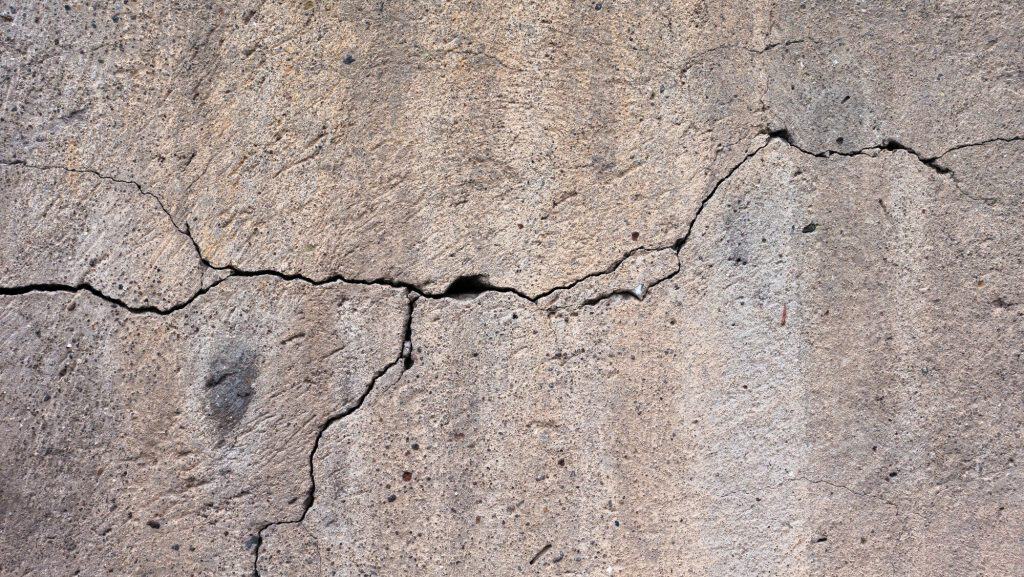
Small entry points around exterior walls present a vulnerability during a remodel. An informational guide from a Southern University Extension Program notes that openings measuring just 1/16 of an inch allow insects inside.
The same publication states that a quarter-inch space allows mice to enter, plus a half-inch gap gives access for rats. These dimensions mean minor oversights create major pathways.
Contractors must fill every small breach with durable materials like steel wool or silicone caulk. Standard foam insulation does not stop determined rodents from chewing their way inside. Combining mesh screens with heavy caulk keeps these small animals outside where they belong.
Paying close attention to window frames keeps your perimeter secure. Minor settlement shifts leave tiny spaces that bugs exploit. Sealing these areas keeps your interior safe.
Establishing Heavy Foundation Borders
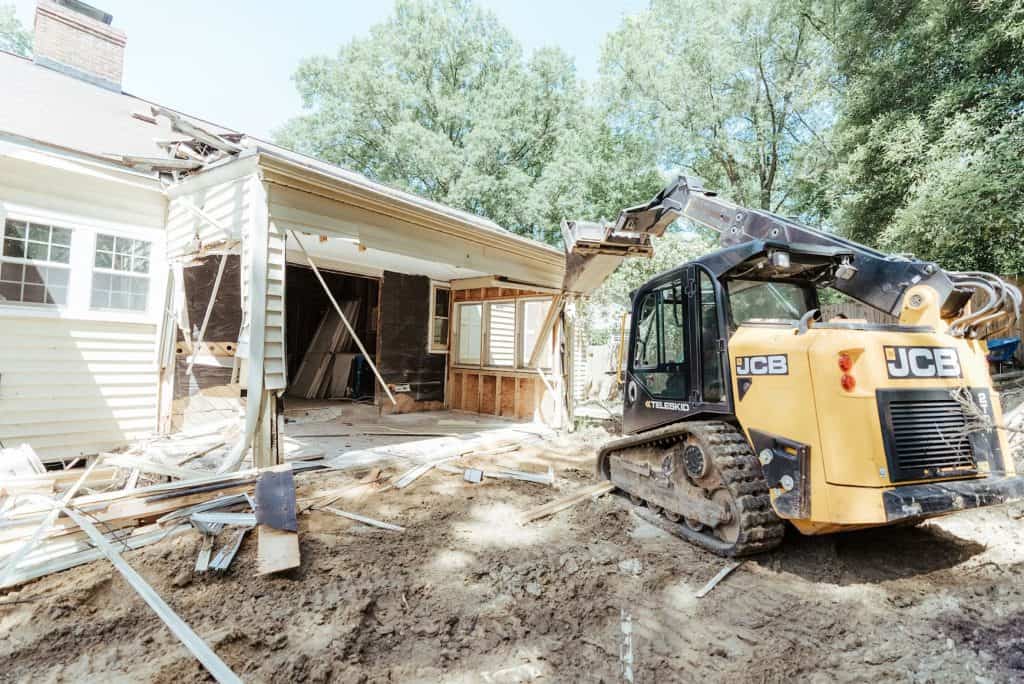
Burrowing pests try to dig under your concrete slab during outdoor renovations. A technical report by a national research laboratory recommends placing a stone border measuring 1 inch or larger around your foundation. This barrier should extend 2 feet wide and half a foot deep to discourage rodents.
You should complete this dirt work before installing new porches or decks. Decks often cover bare soil. Filling those zones with heavy rock stops pests from making a permanent home beneath your new outdoor space.
Gravel borders provide excellent drainage around your foundation walls, too. Keeping the perimeter dry makes your home unappealing.
Utilizing Room Turnovers For Defense
Stripping a room down to its studs offers a chance to address pest vulnerabilities. A publication from a Western University statewide integrated pest management program shares that room turnovers represent the ideal moment to pest-proof a property.
The authors suggest making pest repairs a standard part of your building checklist during these transitions.
Fixing plumbing leaks and sealing pipe penetrations prevents future issues. Mice follow the warmth and odor of water pipes to travel between floors. Sealing these utility runs protects your entire living space from unwanted wildlife travel.
Renovations allow you to replace damaged insulation holding old nests. Removing old fiberglass clears out dropping accumulations and pheromone trails. New insulation adds another layer of security.
Choosing Pest-Resistant Building Materials
The specific products you select for your home upgrade alter its long-term durability against pests. Certain materials attract wood-boring bugs or provide nesting fibers for mice. Selecting modern, durable options stops these pests from destroying your hard work.
Standard materials often fail when pests target your exterior defenses. Consider these resilient options for your upgrade:
- Fiber cement siding resists chewing insects and rodents.
- Metal mesh screens stop mice from entering soffit vents.
- Pressure-treated lumber discourages termites from boring into framing.
Using these products blocks pests from exploiting weak spots. It adds a physical layer of security that works around the clock. Your renovation stays intact for decades.
Protecting your property requires matching your design dreams with smart pest defenses. Every wall you open or foundation you pour, offers a chance to secure the structure. Thinking about rodent entry points now keeps your fresh living spaces clean and safe.
A successful build delivers comfort without hidden surprises in the walls. Investing a little time in seals and gravel borders pays off through quiet nights. Enjoy your newly updated home knowing that pests remain locked outside.