Walk into your home right now. Looks clean, right? Maybe a little cluttered, some visible dust, nothing alarming. You’d be comfortable having friends over without panic-cleaning first.
Here’s the question – is your home dirtier than you realize? And I’m not trying to shame you. Most homes are. We just can’t see what’s really there.
The Invisible Dirt Problem
Your eyes deceive you constantly. You’ve adapted to gradual accumulation of grime until you literally can’t see it anymore. That’s how human perception works – we tune out consistent background information.
That slight yellowing on your walls? You stopped noticing months ago. The dusty film on electronics? Invisible to you now. The grimy buildup around light switches? Your brain filters it out as irrelevant.
But here’s the thing – dirt doesn’t disappear just because you’ve stopped seeing it. It accumulates. It spreads. It impacts your health and home in ways you don’t connect back to cleanliness issues.
According to research floating around online, the average home contains over 200,000 bacteria per square inch in certain areas. Your cutting board might have 200 times more fecal bacteria than your toilet seat. Let that sink in while you’re making dinner tonight.
What’s Hiding in Your Carpet
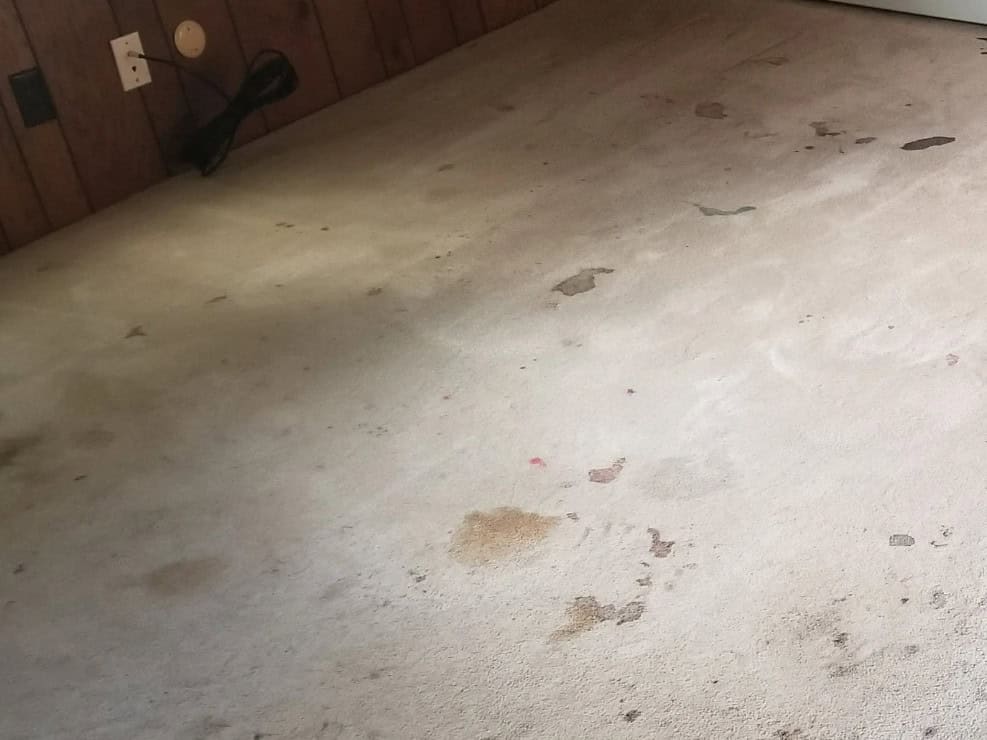
You vacuum regularly. Great. You’re removing maybe 20% of what’s actually in those fibers.
Carpets trap:
- Dead skin cells (you shed about 1.5 million per hour)
- Dust mites feeding on those skin cells
- Pet dander even if you don’t have pets (it travels on clothes from outside)
- Bacteria and viruses tracked in on shoes
- Pollen and outdoor allergens
- Food particles ground deep into fibers
- Whatever mystery substances your kids spilled and didn’t mention
Professional carpet analysis routinely finds pounds of embedded dirt in carpets that look relatively clean. You’re walking on and breathing particles from this accumulated contamination daily.
Your Mattress is a Biohazard
When did you last clean your mattress? Not the sheets – the actual mattress?
You spend a third of your life there. Sweating. Shedding skin cells. Breathing moisture into the material. Creating perfect conditions for dust mites, which feed on dead skin and thrive in warm, humid environments.
Each dust mite produces about 20 waste droppings per day. A typical mattress contains between 100,000 to 10 million dust mites. Do the math on how much fecal matter you’re sleeping in.
Not allergic to dust mites? You’re still inhaling their waste products and decomposed body parts every night. Still feel like your bed is clean?
The Kitchen Sponge Situation
That sponge sitting by your sink right now contains more bacteria than anything else in your home. Probably billions of bacteria, including potentially harmful pathogens like E. coli and Salmonella.
Then you use it to “clean” your dishes and counters. You’re not cleaning – you’re spreading contamination around with a bacteria-soaked applicator while feeling virtuous about washing dishes.
Microwaving or boiling sponges helps somewhat but doesn’t eliminate the problem. The porous structure makes them impossible to truly sanitize. Replace them weekly or use alternatives like washable cloths that can be properly laundered.
Air Quality Nobody Measures
Indoor air quality is often worse than outdoor air, even in cities. Your home traps pollutants, allergens, and contaminants that accumulate over time.
Sources include:
- Volatile organic compounds from furniture, paint, cleaning products
- Mold spores from humidity and hidden growth
- Pet dander suspended in air
- Dust particles constantly circulating
- Cooking fumes and smoke
- Off-gassing from carpets, pressed wood, and plastics
Without proper ventilation and regular deep cleaning, you’re breathing this cocktail constantly. Headaches, fatigue, respiratory issues, allergies – symptoms you might attribute to other causes while the actual problem is literally in the air around you.
Bathroom Surfaces You’re Not Cleaning
The toilet gets attention. Maybe the sink. But what about:
- Toothbrush holders (frequently among the germiest items in bathrooms)
- Soap dispensers (ironic, but they get disgusting)
- Bathroom door handles and light switches
- Exhaust fan covers coated in dust
- Grout between tiles harboring mold
- Shower curtain with mildew you’ve stopped seeing
- The toilet brush holder itself
You’re maintaining visible cleanliness while ignoring bacterial breeding grounds inches away. Every time you brush your teeth, you’re potentially exposing yourself to contamination from that nasty toothbrush holder.
The Bronx Reality Check
If you’re in the Bronx, you’re dealing with additional challenges. Urban environments mean more dust, more pollution, more contaminants tracked inside from streets and public transportation.
Older buildings have unique issues – aging ventilation systems, outdated materials, infrastructure problems contributing to indoor air quality issues. New York humidity creates perfect conditions for mold and mildew. For specific information about maintaining homes in urban environments like the Bronx, you can find more info on what actually works in these challenging conditions.
High-traffic areas near windows facing busy streets accumulate pollution particles faster than suburban or rural homes. Your cleaning needs are genuinely different and more demanding.
What You’re Actually Breathing
Every time you walk across your carpet, sit on your couch, or fluff your pillows, you’re launching particles into the air. Then you breathe them.
Dust isn’t just annoying – it contains heavy metals, chemicals, allergens, bacteria, and particulates that impact respiratory health. Children are especially vulnerable because they’re closer to floors and carpets where concentrations are highest.
That “clean” smell after vacuuming? Partially dust you just stirred up and are now inhaling. Without proper filtration, vacuuming sometimes makes air quality temporarily worse before it improves.
The Psychological Toll Nobody Mentions
Living in a genuinely dirty environment affects mental health. Not the Instagram-perfect-home pressure, but actual cleanliness that impacts wellbeing.
Studies suggest cluttered, dirty environments increase stress hormones, decrease productivity, and contribute to anxiety and depression. Your brain processes your environment constantly, even when you’re not consciously aware.
That vague sense of being overwhelmed? The difficulty focusing? The constant low-level stress? Your dirty home might be contributing more than you realize.
Albert Einstein supposedly said: “If a cluttered desk is a sign of a cluttered mind, of what, then, is an empty desk a sign?” But there’s a difference between creative clutter and accumulated filth. One inspires, the other drains.
The Children and Pets Factor
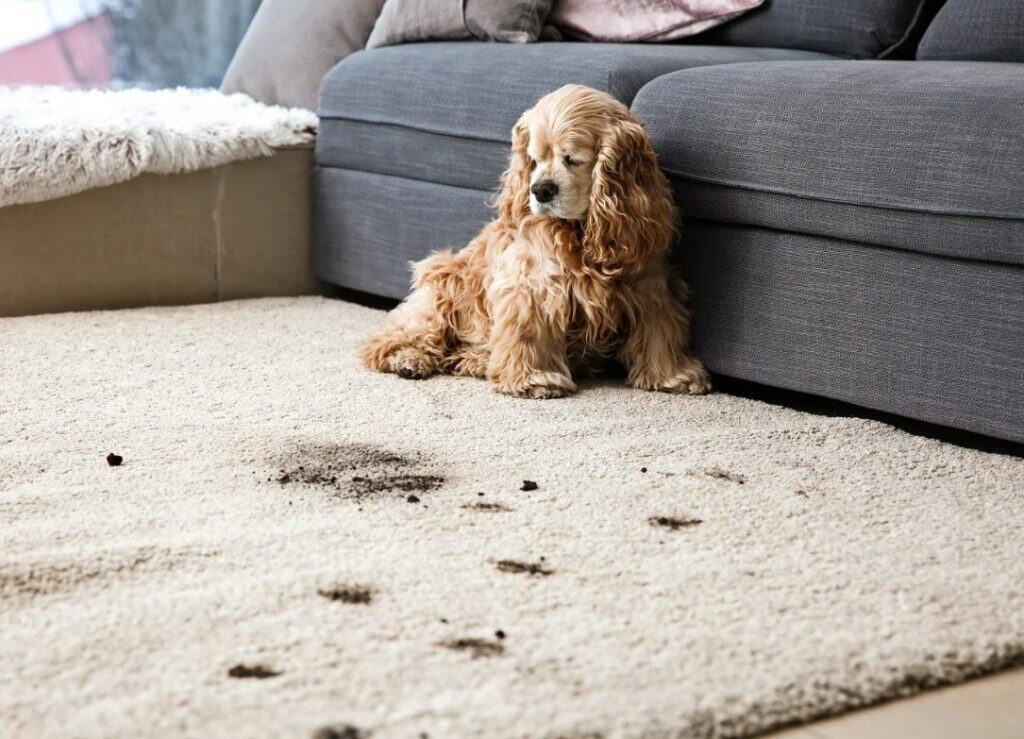
Kids and pets multiply dirt exponentially. They bring in outdoor contamination. They spill things. They touch everything with dirty hands and paws. They spread germs when sick. They create messes faster than you can possibly clean them.
If you have either, your home’s baseline dirt level is significantly higher than childless, pet-free households. That’s not judgment – it’s reality. What worked for maintaining cleanliness before kids or pets is inadequate after.
The cleaning frequency and thoroughness required increases dramatically, yet your available time and energy decrease. Recipe for accumulated grime you keep meaning to address but never quite get around to.
When DIY Isn’t Cutting It
Regular maintenance cleaning handles surface-level issues. But deep-embedded dirt requires equipment, products, and knowledge most people don’t have.
You can’t steam clean carpets properly with a rental machine. You can’t reach accumulated dust in ventilation systems. You can’t effectively sanitize areas that need professional-grade disinfection.
At some point, doing it yourself means accepting a baseline of accumulated contamination that professional intervention could eliminate. That point varies by person, home, lifestyle – but it exists for everyone.
The Cost of Doing Nothing
Ignoring cleanliness issues doesn’t make them disappear. It makes them worse. Accumulated dirt damages surfaces and materials. Embedded grime becomes harder to remove over time. Health impacts compound.
Carpet replacement costs thousands. Refinishing damaged floors costs thousands. Medical issues from poor indoor air quality cost time, money, and wellbeing. Prevention through proper cleaning is dramatically cheaper than dealing with consequences of neglect.
The Path Forward
Acknowledge reality first. Your home probably isn’t as clean as you think. That’s not failure – it’s normal. Modern life makes maintaining true cleanliness incredibly difficult.
Then decide what to do about it:
Option one – increase your own cleaning efforts significantly. Learn proper techniques. Invest in better equipment. Dedicate more time consistently.
Option two – Get professional help for deep cleaning periodically while maintaining between services yourself.
Option three – Continue as you are and accept the consequences of accumulated contamination.
No judgment on any choice. But make it consciously, understanding what you’re actually dealing with. Ignorance isn’t bliss when it’s impacting your health, your home’s condition, and your quality of life.
The Bottom Line
Is your home dirtier than you think? Most homes are. The question isn’t whether that’s true – it’s whether you care enough to change it.
You deserve to live in actual cleanliness, not just the appearance of it. Your family deserves air quality that supports health rather than undermining it. Your home deserves maintenance that preserves it rather than allowing gradual deterioration.
Time for a change? That’s up to you. But at least now you know what you’re actually choosing between.